

I remember the moment clearly. I pulled out of the driveway, feeling pretty good about getting my routine oil change done at the local service station. But then, something odd happened. My fuel gauge was dropping faster than usual, and I found myself stopping for gas way more often. It was frustrating—like I had gone backward in fuel efficiency after a simple service. That lightbulb moment made me realize I wasn’t alone. Many drivers notice their gas mileage taking a nosedive right after an oil change, and frankly, it can be disheartening if you don’t understand what’s going on.
How a Routine Oil Change Can Unexpectedly Impact Your Gas Mileage
So, what causes this? Well, there are a few sneaky reasons. Sometimes, it’s tied to how the oil change is done—using the wrong type of oil, improper filter installation, or neglecting other engine components during the service. When these little things slip through the cracks, your engine has to work harder, draining more fuel than it should. I personally once skipped asking about the type of oil my mechanic recommended, and that oversight led to a noticeable dip in mileage. It’s a reminder of how a simple mistake can snowball into bigger issues. Did you know that using the wrong oil grade can reduce fuel efficiency by up to 2-3%? (Source: https://www.fueleconomy.gov/feg/maintain.shtml)
In this post, I’ll walk you through the most common reasons behind the sudden gas mileage drop and, more importantly, how to fix them. No more guesswork or unnecessary trips to the pump—just clear, practical steps I’ve learned from personal experience and some solid auto repair advice.
Is it really worth troubleshooting, or am I overreacting?
Early on, I made the mistake of assuming my car was just getting old or that the fuel prices were to blame. But once I started digging, I realized that a small oversight during my last oil change was the culprit. If you’re skeptical about whether these issues are worth your time, I understand. But trust me—ignoring this can lead to bigger problems down the line, like engine wear or costly repairs. Curious about other ways to save on auto repairs? Check out this article for insights on engine maintenance and how it affects performance.
Now, let’s get into the specific causes and the simple steps you can take to restore your car’s efficiency. Because nobody wants to spend more on gas or a mechanic than necessary, right?
Check the Oil Type and Quality Immediately
My first move was to verify the oil used during my latest service. Using the wrong grade oil, like opting for a synthetic when my car requires conventional, can reduce efficiency. I pulled the owner’s manual and confirmed the manufacturer-recommended oil type—usually 5W-30 or similar. If you’re unsure, ask your mechanic or consult your car’s manual. Switching to the correct oil grade can boost your gas mileage by 2-3%. Remember, quality oil reduces engine friction, leading to better fuel consumption.
Inspect and Replace the Oil Filter Correctly
Next, I examined the oil filter. A poorly installed or clogged filter hampers oil flow, making the engine work harder. During my last service, I noticed the filter seemed loose, which could cause oil starvation. Ensure the filter is tightened to the manufacturer’s specifications—usually hand-tight plus a quarter turn. If it’s worn out, replace it with a high-quality filter. Proper filtering ensures smooth engine operation, saving fuel in the process. Proper filter maintenance is crucial for optimal efficiency.
Perform a Basic Engine Tune-Up
After the oil change, I performed a simple tune-up—replacing spark plugs, checking the air filter, and inspecting all hoses. Old or dirty spark plugs can cause misfires, reducing combustion efficiency. I replaced the worn plugs with new ones, which immediately improved throttle response. Make sure the air filter isn’t clogged; a blocked filter cuts off essential airflow. Clean filters increase airflow and fuel combustion efficiency. For turbocharged engines, remember they need extra TLC during tune-ups—see this guide for detailed steps.
Check Tire Pressure and Alignment
While at it, I checked my tire pressures; under-inflated tires cause higher rolling resistance, wasting fuel. Use a reliable gauge to ensure each tire matches the PSI recommended in your manual. Additionally, an out-of-alignment vehicle drags tires unevenly, lowering efficiency and causing uneven wear. I used a simple string method to assess my alignment and adjusted as needed—this is quick and cheap. Properly inflated and aligned tires make a significant impact on MPG, often improving it by 5-10%. See this technique for easy alignment checks.
Ensure Correct Engine Operation
Finally, I checked for signs of engine issues like a rough idle or hesitation. Using diagnostic tools or a professional scan, I looked for trouble codes that could indicate underlying problems. For example, a sticky combustion chamber caused by carbon buildup can hinder efficiency. Consider services like engine flushes if you notice sluggish performance. Regular maintenance and prompt repairs keep your engine running smoothly, directly boosting your fuel economy.
Keep Up with Regular Maintenance
Every few thousand miles, I schedule a comprehensive check for oil quality, filter condition, and general engine health. Consistent care like this prevents minor issues from snowballing into major inefficiencies. Remember, neglecting small maintenance tasks can lead to increased fuel consumption and higher costs over time. Staying proactive makes a noticeable difference and keeps your vehicle performing at its best.
When most drivers think about brake service, car tune-ups, or general auto repairs, they often imagine straightforward procedures—pads replaced, oil topped off, filters changed. However, there’s a common misconception that these services are always simple, quick fixes. In reality, many car owners overlook nuanced pitfalls that can lead to bigger problems down the road. Let’s dig deeper into some less obvious mistakes and myths that many fall prey to, so you can navigate auto repairs more confidently.
Are All Brake Checks Created Equal? Think Again
Many assume that a simple pad replacement is sufficient when brake issues arise. But, what most people miss is that the master cylinder and brake lines require scrutiny too. A failing master cylinder can cause a soft pedal or uneven braking, and if overlooked, it might lead to a dangerous situation. For example, a deteriorating brake line can rust or crack unnoticed—leading to leaks and total brake failure if not caught early. According to brake system experts, inspecting the entire hydraulic system is critical during every brake service, not just replacing worn pads. Neglecting this nuance can turn a routine brake job into a serious safety hazard.
Common Myths That Might Cost You
One prevalent myth is that you should always opt for synthetic oil for every vehicle. While synthetic oil has benefits, it might not be suitable for older engines with high mileage that have seals designed for conventional oils. As explained in a recent automotive study, unnecessary use of synthetic oil can sometimes cause leaks in seals not compatible with it. Always check your vehicle’s manual or consult an auto professional before switching. This misconception can lead to leakage and expensive repairs if you don’t consider the engine’s specific needs.
Ignoring theMaintaining Your Automotive Arsenal for Long-Term Reliability
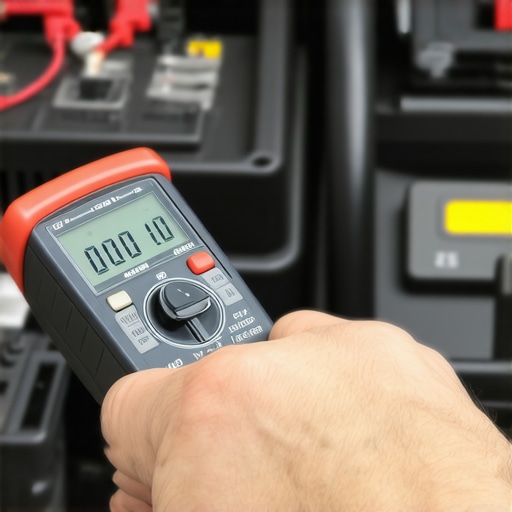
To ensure your vehicle continues to perform optimally over the years, having the right tools and adopting disciplined maintenance routines are crucial. Personally, I swear by a high-qualityOBD-II scanner like the Autel MaxiScan MS300. It’s affordable, compact, and provides detailed engine diagnostics, helping me catch issues early before they escalate. Investing in a good digital multimeter, such as the Fluke 117, has also been a game-changer for me; it allows precise testing of electrical components, which is vital during tune-ups or troubleshooting electrical anomalies.
In terms of routine maintenance, I find that a both a torque wrench and a set of sockets and ratchets are indispensable for ensuring parts are tightened correctly—over-tightening can cause damage, while under-tightening risks failure. For instance, when replacing brake pads or lug nuts, proper torque prevents warped rotors or stripped studs. Check out this article for detailed guidance on torque specifications.
Consistency is vital. I set reminder intervals based on my vehicle’s manual for oil changes, fluid flushes, and filter replacements. Using quality synthetic oils, likeMobil 1 or Valvoline SynPower, helps maintain engine cleanliness and promotes longevity. I also schedule seasonal inspections to examine belts, hoses, and tire conditions, which can prevent breakdowns unexpectedly.
Keeping Your Car in Peak Condition Over Time
Regular knowledge of tools like a scan tool and a torque wrench can dramatically extend the life of your car. As technology advances, so do the maintenance procedures—many newer vehicles now incorporate advanced diagnostics that a basic code reader can’t interpret fully. Upgrading to a bi-directional scanner such as the BlueDriver allows me to perform active tests and get real-time data, empowering me to identify issues early.
Going forward, I predict the trend will lean further toward integrated diagnostic apps and smoother DIY diagnostics, making routine checks more accessible even for non-professionals. Investing early in versatile tools can save you thousands on repairs and build your confidence as an owner.
How do I maintain the tools and routines that keep my car reliable?
Practicing regular calibration and cleaning of your tools, like wiping down your scan devices and checking battery health, is essential. For example, keeping your OBD-II scanner firmware updated ensures compatibility with the latest vehicle models. Remember, a well-maintained toolkit means quicker diagnostics and less downtime. Try checking your tire pressure with a reliable gauge at least monthly and confirm it matches your manual’s recommendations; this simple step can improve fuel efficiency and safety.
Incorporating these practices and tools into your maintenance routine not only prolongs your vehicle’s lifespan but also enhances safety and driving pleasure. For more detailed insights, explore this article about engine preservation tips, or consider investing in a professional-grade scan tool for comprehensive diagnostics. Start by trying out a digital multimeter or scheduling your next inspection—small steps, big impact!
What I Wish I Knew When I Started Taking My Car for Routine Repairs
- Never assume that a quick oil change is just that—quick. Small oversights like using the wrong oil grade can quietly sabotage your fuel economy.
- Always inspect your filters and essential components afterward—trust me, a clogged air filter or improperly installed filter can make your engine work harder, draining more gas.
- Keep learning about your vehicle’s unique needs. For example, certain engines demand specific oils and maintenance routines that, if overlooked, can lead to unnecessary repairs and efficiency loss.
- Invest in good diagnostic tools or learn to use them—simple gadgets like a reliable scan tool can prevent small issues from becoming major breakdowns.
- Practicing proactive maintenance—checking tire pressure, alignment, and fluid levels regularly—saves money and keeps your car running smoothly.
Tools That Transformed How I Approach Auto Repairs
- The Autel MaxiScan MS300 has been invaluable for early diagnostics—spotting issues before they escalate.
- A high-quality torque wrench ensures I tighten components to manufacturer specs, preventing damage and ensuring safety.
- Using a reliable tire gauge helps me maintain correct pressures, directly influencing fuel efficiency and safety.
- Fluke digital multimeters have given me peace of mind when working on electrical parts—saving me from costly mistakes and guesswork.
Step Into Your Car Maintenance Journey with Confidence
Remember, maintaining your vehicle is not just about fixing problems—it’s about fostering a relationship of trust and understanding between you and your car. Every proactive step you take, from checking oil types to inspecting filters and tires, makes a tangible difference in performance and savings. Embrace the learning curve, invest in good tools, and stay curious about your vehicle’s needs. Your car is an investment—treat it with care, and it will reward you with reliable service for years to come. What’s the one maintenance tip you’ve learned that made the biggest difference? Drop your insights below and let’s grow together in this auto repair journey.