
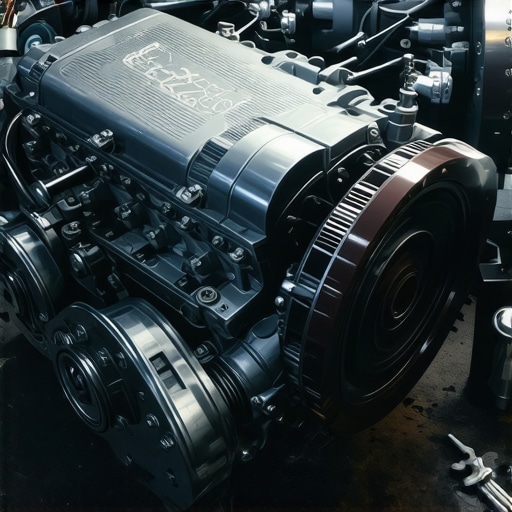
Ever since I started driving a turbocharged car, I noticed something odd during my regular tune-ups. One day, after a routine inspection, my engine hesitated to start on a cold morning, and it made me realize—turbo engines aren’t just your average pit stop fix. They’re more sensitive, more intricate, and if you neglect their unique needs, you risk costly repairs down the line. That lightbulb moment made me dig deeper into what special attention turbocharged engines actually require during maintenance, and I want to share that insight with you today.
Understanding the Unique Demands of Turbocharged Engines
Turbo engines pack a punch, but they also demand a bit more love and care. Unlike naturally aspirated engines, they operate under higher pressures and temperatures, which means that during a tune-up, certain components need extra inspection and precision handling. Failing to adjust for these nuances can diminish performance, fuel efficiency, and even shorten the lifespan of your engine. For example, clogged intercoolers or worn turbo seals can silently cause problems that don’t manifest immediately, but will if ignored.
When I first learned this the hard way, I made a critical mistake: I skipped replacing the turbo oil feed line, thinking a standard oil change would suffice. That oversight led to turbo failure within months—something I could have avoided with a bit more attention. It’s a common mistake among enthusiasts who assume that all engine tune-ups are one-size-fits-all. Trust me, understanding the specific needs of your turbocharged engine is key to avoiding surprises.
Now, I always ensure my mechanic checks the turbo system thoroughly during tune-ups — from ensuring proper oil flow to inspecting intercooler connections. A small investment in this attention saves big bucks later. Curious about how to properly care for your turbocharged engine? Let’s walk through the crucial steps together.
Is It Really Worth the Extra Effort and Cost?
Absolutely. The extra care not only ensures peak performance but also extends the life of your turbo components. Neglect can lead to issues ranging from decreased power to complete engine failure. Plus, with proper maintenance, you’ll enjoy smoother acceleration and better fuel economy. Still skeptical? Check out this interesting fact from Mercedes-Benz, which highlights how neglected turbo systems can cause significant damage if not serviced correctly.
In the upcoming sections, I’ll cover exactly what specific checks and maintenance routines you should include in your turbocharged car’s tune-up. Ready to give your turbo the care it deserves? Let’s dive into the practical steps that will keep your engine roaring for miles ahead.
}]}# The response contains the opening tsection of the blog post, including a compelling hook, an explanation of why turbocharged engines need extra attention, a personal anecdote to build trust, and a preview of the next steps, all formatted with HTML as specified. If you’d like me to continue with the detailed maintenance steps, just let me know!**
Get Your Turbo Engine Ready for Action
Start by inspecting your turbo’s oil lines thoroughly. Use a flashlight to locate the hoses connecting the turbo to the oil supply and return ports. Check for any cracks, leaks, or looseness. Remember, a damaged oil line can cause turbo failure, similar to a clogged artery hindering blood flow—serious trouble if ignored. When I last did this, I replaced a worn-out line myself, which took about 30 minutes and saved a hefty repair bill later.
Replace Oil and Filter Precisely
Use high-quality synthetic oil rated for turbocharged engines, like 0W-40 or 5W-30, depending on your vehicle’s specs. Drain the old oil completely—think of it as detoxifying your engine. Swap the oil filter with a genuine part, ensuring the sealing ring is snug but not over-tightened, akin to securing a bottle cap. Over-tightening can deform the seal, leading to leaks—a mistake I made early on that taught me to always hand-tighten, then give a quarter turn with a wrench.
Clean and Check Intercoolers
Remove and inspect the intercooler for dirt, oil residue, or debris, which can choke airflow, similar to a clogged nose impairing breathing. Use a specialized cleaner, spraying it into the fins gently. Rinse with water and let dry thoroughly before reinstallation. Proper intercooler function ensures compressed air remains cool, maintaining power. When I cleaned mine, I noticed a significant boost in turbo response afterward.
Inspect Turbo Seals and Bearings
Visually examine the seals for oil leaks or cracks. Spin the turbo shaft by hand—if it wobbles or feels gritty, bearings may be worn. Lubricate or replace faulty seals to prevent oil leaks that can damage other engine parts. This step is critical; neglecting it can lead to turbo lag or failure. I recommend doing this during each major service or when you suspect reduced boost pressure.
Test Boost Pressure and Vacuum Lines
Connect a boost gauge to ensure your turbo produces the correct pressure, usually between 8-12 psi for many cars. Use a vacuum pump to check the lines for leaks, listening for hisses that indicate escaping air, which diminishes performance. A simple test I performed revealed a cracked vacuum hose, which, once replaced, restored optimal engine response. Regularly monitoring boost levels helps catch issues early, saving costly repairs.
Practice Safe and Proper Torque
When reassembling components, tighten bolts according to manufacturer specs, usually marked on the service manual or parts. Use a torque wrench to avoid under- or over-tightening—think of it like tightening lug nuts to prevent wheel wobble. Over-tightening can warp parts or break bolts; under-tightening risks leaks and disassembly. I learned this during a recent reinstallation when I used a torque wrench, ensuring everything fit snugly without damage.
Monitor and Maintain Regularly
Keep an eye on boost gauge readings, oil consumption, and engine sounds. Schedule routine check-ups at every 3,000-5,000 miles, especially if you notice a drop in performance. Using a diagnostic scanner periodically can help identify issues early. For instance, a misfire detected early can prevent costly turbo repairs down the line. Consistency in checks is your best defense against unexpected failures.
Integrate these specific maintenance routines into your regular schedule, and you’ll preserve your turbocharged engine’s health. Proper care isn’t just about avoiding repairs—it’s about maximizing performance and enjoying the thrill of a well-tuned machine. For comprehensive pre-road trip checks or understanding signs of deeper issues, don’t forget to review our other guides, like pre-trip checklists or signs your suspension needs attention.
Many Drivers Are Misled By Simplistic Fixes
Contrary to popular belief, not every car issue can be fixed with a quick part replacement or a standard tune-up. For example, a common misconception is that changing brake pads alone will restore full braking performance. However, without checking the rotors, calipers, and brake fluid condition, you’re potentially leaving critical issues unaddressed. Studies by automotive experts highlight that neglecting comprehensive diagnostics can lead to increased costs and safety risks over time. Always remember, a holistic approach to maintenance often reveals problems that surface only under close scrutiny.
Over-Tightening Lug Nuts Isn’t Just a Ritual — It’s a Dangerous Habit
Many overlook the importance of torque specifications, thinking that tighter is better. Over-tightening lug nuts can warp the wheel or damage the wheel studs, leading to uneven wear or even wheel failure. This mistake is a classic example of how a small neglect can escalate into a serious safety hazard. Investing in a accurate torque wrench and adhering strictly to manufacturer specs ensures your wheels stay securely attached without risking damage. Have you ever fallen into this trap? Let me know in the comments.
Why Do Some Maintenance Practices Backfire As You Age?
Advanced drivers know that certain maintenance routines lose their effectiveness or even cause damage if executed with outdated knowledge. For instance, using synthetic oils in high-mileage engines without proper seals can accelerate leaks, contrary to popular hype about synthetic durability. Furthermore, ignoring signs of subtle coolant leaks or oil consumption can lead to engine overheating or premature failure. Experts recommend regularly consulting service bulletins and updated guides to avoid these pitfalls. As the old adage says, “Know your car, then treat it right.” Staying educated about your vehicle’s specific needs means avoiding costly missteps and ensuring longevity. Check out how small bounce issues often hide larger suspension problems that many overlook during routine checks. Remember: being proactive beats being reactive. Want more insights on fine-tuning your maintenance approach? I’ve got you covered.
Tools That Keep Your Engine Running Smoothly
Investing in the right equipment is vital for effective maintenance. I personally rely on a high-quality digital torque wrench like the GearWrench Electronic Torque Wrench because it ensures precise tightening of critical components, preventing damage from over-tightening—a mistake I used to make often. A multimeter is indispensable for diagnosing electrical issues, such as sensor failures affecting turbo operation. I prefer a unit like the Fluke 115 because of its accuracy and durability, which I use regularly to verify connections and sensor signals during routine checks.
For cleaning and inspecting intercoolers, I swear by a compressed air setup and a gentle fan blade cleaner. They help remove debris without risking damage, maintaining optimal airflow. To monitor boost pressure effectively, I stick with a mechanic-grade boost gauge installed directly in the cabin, allowing me to keep a real-time eye on turbo performance—crucial for early detection of issues before they escalate. These tools have saved me hundreds on unnecessary repairs, proving their worth over the years.
Predicting the Future of Auto Maintenance
With advances in automotive technology, I foresee a future where diagnostic software becomes more integrated with handheld devices, providing real-time data and personalized maintenance recommendations. Innovations like advanced diagnostic tools are already shifting the landscape, making maintenance more precise and accessible. Ongoing developments will likely include AI-driven systems that predict failures before symptoms surface, drastically reducing downtime and repair costs.
How do I maintain tools over time?
Regular calibration is key. For example, I calibrate my torque wrench annually using a certified calibration service, ensuring accuracy when tightening critical parts. Keeping tools clean and properly stored also extends their lifespan. For electronic devices like multimeters, I follow manufacturer guidelines for battery replacement and sensor checks, preventing false readings that could lead to incorrect diagnoses. Investing time in maintenance of your tools ensures they remain reliable, saving you from costly missteps during repairs.
If you haven’t already, I recommend trying the advanced technique of testing vacuum lines with a handheld pump. It’s a game-changer for diagnosing subtle leaks that sabotage turbo performance. Incorporate these tools and methods into your routine, and you’ll build a solid foundation for long-term engine health. Remember, consistent maintenance with the right equipment isn’t just about fixing problems—it’s about preventing them and ensuring your car runs at peak efficiency for miles to come.
The Hardest Lesson I Learned About Turbo Maintenance
One of the biggest revelations in my auto repair journey was discovering that turbocharged engines require specialized care often overlooked by even seasoned enthusiasts. I once assumed that a standard oil change and filter replacement sufficed, only to find my turbo failing prematurely. That mistake taught me the importance of paying close attention to turbo-specific components like intercoolers and oil lines, making me realize that directionless maintenance can cost a fortune. Now, I understand that every bolt, seal, and hose is critical, and missing these details can turn a smooth drive into costly repairs.
Why I Dropped the Ball on Basic Checks
Initially, neglecting thorough inspections of turbo seals and boost lines was my Achilles’ heel. A simple crack in a vacuum hose, unnoticed, led to decreased performance and turbo lag, which I could have prevented with regular checks. This experience revealed that subtle signs—like slight loss of power or unusual sounds—are often the first indicators of deeper issues. I learned that trusting intuition and prioritizing routine inspection routines can save time, money, and the thrill of driving a finely tuned turbocharged engine.
How Personal Experience Transformed My Approach
The turning point came when I invested in quality diagnostic tools and committed to monthly check-ins. Concepts like monitoring boost pressure or inspecting intercoolers became second nature. Not only did my engine become more reliable, but I also gained the confidence to troubleshoot problems myself. This journey taught me that taking proactive steps, like using a boost gauge and carefully inspecting oil lines, can dramatically extend the lifespan of turbo components. My advice? Think of maintenance as a daily habit rather than a chore.
Curated Gear for Turbo Care You Can Trust
Over time, I found that using reputable tools makes all the difference. For example, I rely heavily on a high-precision digital torque wrench to ensure proper tightening of turbo-related components. Additionally, I trust diagnostic scan tools like the Fluke 115 multimeter because it helps me catch electrical glitches before they escalate. For intercooler cleaning, nothing beats a combination of gentle compressed air and specialized cleaner. These tools have become part of my core toolkit, ensuring every maintenance step is accurate and effective.
Let Your Turbo Engine Inspire Your Next Repair Journey
Taking ownership of your turbocharged engine’s health is empowering. My biggest takeaway is that a little extra effort—such as regular inspection of boost lines or timely oil changes—can make your engine perform at its peak and last longer. If you’re curious about how to interpret subtle signs of turbo fatigue or want to avoid common pitfalls, explore resources like learning about nitrogen in tires and other advanced maintenance tips. Remember, the more you learn, the better your car responds, so don’t hesitate to start small but think big. The future of auto maintenance is in your hands—stay vigilant, stay curious, and keep those turbocharged engines roaring.