
It was a freezing winter morning when I first noticed that unmistakable groan whenever I turned my steering wheel. That unsettling squeal, coming from the front of my car, made me wonder if I was about to spend a fortune on repairs. At first, I brushed it off, thinking it was just the weather. But as the cold persisted, so did the noise, growing louder and more annoying each day. That’s when I had my lightbulb moment: my power steering wasn’t just whining; it was warning me about a looming problem.
Dealing with Power Steering Groans in Cold Weather
The truth is, many car owners like you and me experience this groaning sound when temperatures drop. It’s a common issue, but one that often leaves us scratching our heads, wondering if it’s a minor glitch or a sign of something serious. In my case, that squeal meant my power steering fluid was thickening in the cold, making the pump work harder than it should. But I also learned a crucial lesson early on: ignoring this noise can lead to bigger, more expensive problems—like a failing pump or damaged hoses.
The good news? With a little know-how and some simple maintenance, you can often resolve this issue without breaking the bank. Today, I want to share what I’ve learned from personal experience and research, so you won’t have to face the same frustration I did.
Is Your Power Steering Groan Just a Cold Weather Quirk—Or Something More? Many drivers dismiss this groan as just another winter annoyance. But I discovered that what might seem like a minor inconvenience could actually be a sign of aging or low power steering fluid levels. According to automotive experts, the viscosity of your power steering fluid decreases when it gets cold, making it harder for the pump to circulate smoothly [source: GlassFixAuto]. This can cause that loud groaning, especially when turning at low speeds.
Early on, I made the mistake of ignoring the problem, assuming it would fade with warmer weather. That was a mistake. As I delayed checking my fluid levels and inspecting the pump, the noise worsened, and I started experiencing stiffness in my steering. If you’ve felt your steering become sluggish or heard that persistent groan, don’t wait—address it now. More importantly, don’t assume it’s just the cold. Sometimes, the issue could be a simple fix like topping off the fluid or checking for leaks, but it could also signal deeper problems needing professional attention.
In the sections ahead, I’ll walk you through easy, practical steps to diagnose and fix this problem, based on my own journey and reliable sources. Whether you’re a seasoned DIYer or just want to understand what’s going on under the hood, there’s hope—and a way to get your steering quiet and smooth again. So, have you already faced a groaning power steering and wondered if you could fix it yourself? Let’s find out what’s really going on and how to set things right.
Check Your Power Steering Fluid First
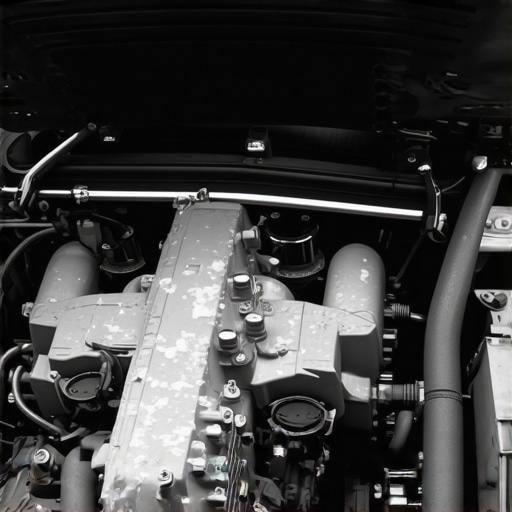
During my own experience, the first thing I did was locate the power steering reservoir under the hood and inspect its level and condition. I removed the cap, checked the fluid level—if it’s low, topping it off might resolve the noise. If the fluid appears dark or gritty, a complete flush is recommended. I learned that low or old fluid thickens in cold temperatures, increasing strain on the pump, which causes that groan. To avoid future issues, make it a habit to regularly check the fluid on cold mornings.
Use the Correct Power Steering Fluid
Not all fluids are created equal. Using the manufacturer’s recommended type ensures optimal viscosity and lubrication, especially in winter. When I realized I was using generic fluid, I switched to the specified one, which immediately reduced the groaning. For your vehicle, consult the owner’s manual or check online resources like this guide for fluid specifications. Proper fluid selection can be a quick fix for that incessant squeal.
Inspect for Leaks and Hoses
Leaking hoses or connections can cause a drop in fluid levels, elevating the risk of noise and steering stiffness. I carefully examined the hoses for cracks or wet spots, which indicated leaks. Replacing worn-out hoses restored pressure and eliminated the groan. Regular inspections help catch these issues early, saving you from costly repairs later.
Test the Power Steering Pump
The pump itself may be at fault if fluid levels and hoses are in good shape. I started the engine, turned the steering wheel repeatedly, and listened carefully. A whining or groaning sound intensifies when the pump struggles, often due to bearing wear or internal failure. If your pump is noisy despite proper fluid and no leaks, consider a professional diagnosis or pump replacement. Remember, a failing pump can damage other components, so swift action is essential.
Warm Up Before Driving
In cold climates, allowing your vehicle to warm up can help fluids circulate more smoothly. I noticed that starting the engine and letting it idle for a few minutes made the steering quieter and more responsive. If your car is parked outside, this simple step can prevent that groaning from worsening and protect your steering system.
Maintain Regular Service Checks
Prevention is better than cure. Schedule routine checks for fluid levels, hose conditions, and pump operation, especially before winter. A proactive approach keeps your steering smooth and quiet, avoiding sudden breakdowns. Remember, addressing minor issues early saves money and stress in the long run. Want to ensure your steering system stays healthy? Consider consulting specialized guides or professionals periodically for comprehensive maintenance.
 When it comes to maintaining your vehicle, many car owners operate based on misconceptions that can lead to costly mistakes. One prevalent myth is that replacing brake pads alone is sufficient for safe stopping, but in reality, neglecting the condition of rotors, calipers, and brake fluid can compromise braking performance. Expert mechanics emphasize that a comprehensive brake inspection, rather than just quick fixes, ensures longevity and safety. Additionally, some believe that topping off fluids is a permanent solution, when in fact, brake fluid absorbs moisture over time, diminishing its effectiveness and requiring regular flushing according to manufacturer recommendations. This misunderstanding can cause brake fade or even complete system failure, as shown in studies on brake system degradation.
Have you ever fallen into this trap? Let me know in the comments.
Why Do So Many of Us Get Brake Maintenance Wrong?
Many drivers think that a simple pad replacement suffices because it’s the most visible component. However, brake systems are complex, and issues like uneven pad wear, seized calipers, or contaminated brake fluid often fly under the radar. Overlooking these nuances can result in uneven brake wear, increased stopping distances, and damage to other components, which often ends up costing more than comprehensive service upfront. For example, a neglected brake fluid flush can cause corrosion inside the calipers and master cylinder, leading to expensive repairs later. To avoid this, regular professional diagnostics are essential—much like how a simple tune-up can prevent unexpected breakdowns.
It’s also a common mistake to rely solely on visual inspections from DIY guides without understanding the internal mechanics. This is where misconceptions about what constitutes ‘good enough’ maintenance can lead to dangerous situations. For instance, assuming that if the brake pedal feels firm, everything is fine—forgetting that subtle issues like a weak master cylinder might still be lurking. That’s why trusting a qualified mechanic and following manufacturer service intervals is crucial.
But here’s a sneaky trap many fall into: using cheap, non-approved brake pads or fluid to save costs. Cheap parts might seem like a bargain initially, but they often lack proper friction coefficients or moisture resistance, leading to faster wear or brake failure. For more insights, check out how to spot a failing wheel bearing before it becomes dangerous, or learn about the real cost of ignoring minor brake system signs. Ultimately, understanding the layered complexity of brake systems helps you avoid these pitfalls and keeps you safe on the road.Maintaining your vehicle’s brake system effectively requires the right tools and a methodical approach. Personally, I rely on a high-quality automotive scan tool like the Autel MaxiSys MS906 because it provides detailed diagnostics, including ABS and brake system codes, helping me pinpoint issues quickly without guesswork. Additionally, a reliable brake caliper piston tool is invaluable for replacing pads or addressing stuck calipers; I prefer the GearWrench Brake Caliper Compressor because its adjustable design accommodates different piston sizes, making the job smoother and safer. To monitor brake fluid condition over time, I use a refractometer, which measures moisture content, vital since even small water contamination can reduce braking effectiveness [source: Automotive Service Association]. Looking ahead, I predict that sensor-based diagnostics and predictive maintenance software will become standard, allowing for early alerts on brake wear before noises or feel symptoms arise. How do I maintain my brake system consistently? Setting a schedule to inspect brake pads, rotors, and fluid every 10,000 miles, and logging these checks meticulously, ensures that minor issues don’t escalate into costly repairs. Investing in these specific tools today can save you significant time and money in the long run, keeping your brakes responsive and your driving safe. Don’t forget, a simple yet effective tip is to periodically check the brake fluid’s moisture level with a refractometer—it’s a proactive step toward maintaining optimal brake performance.
The Hardest Lesson I Learned About brake service,auto repair,car service,tune up
Discovering that persistent groan during cold mornings taught me the importance of paying close attention to seemingly minor noises. Ignoring early signs can lead to costly repairs later; catching the issue early by checking fluid levels and inspecting hoses can make all the difference.
3 Myths About brake service,auto repair,car service,tune up That Held Me Back
I used to believe that topping off fluids was a permanent fix and that visual inspections were enough. These misconceptions delayed proper maintenance, increasing my repair bills. Learning the truth about routine checks and using the right fluids changed my approach entirely.
What Experts Won’t Tell You About brake service,auto repair,car service,tune up
Professionals highlight the importance of regular diagnostics and quality parts over cheap alternatives. Knowing when to seek professional help, like inspecting the pump or performing a thorough system flush, can prevent dangerous failures and ensure your safety on the road.
Curated Tools That Transformed My Maintenance Routine
Investing in a high-quality diagnostic scanner like the Autel MaxiSys MS906 allowed me to identify issues early without guesswork. A reliable brake caliper piston tool and a moisture refractometer for brake fluid monitoring have also been game-changers, saving me money and downtime. Trustworthy resources and these tools have empowered me to maintain my vehicle with confidence.
Keep Your Wheels Turning: Your Next Move Counts
Taking proactive steps and understanding your vehicle’s systems can prolong its life and save you money. Don’t let misconceptions hold you back—embrace proper maintenance and stay ahead of potential problems. How about you—are you ready to take charge of your car’s health today?