
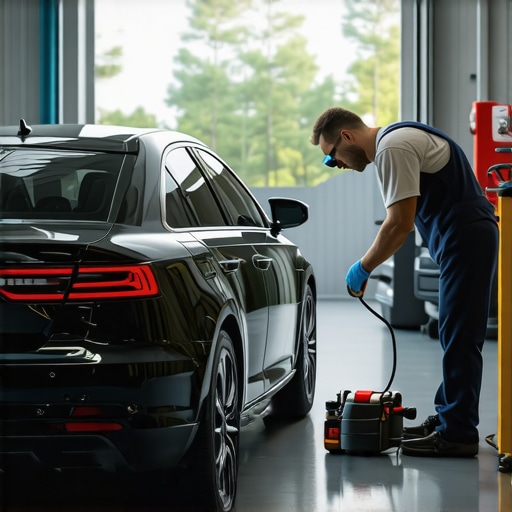
It was a morning just like any other, but as I pressed down on my brake pedal, I felt a strange softness, a sponginess I hadn’t experienced before. My heart sank—I knew something was off. Later, a mechanic confirmed it: my brake fluid had degraded so much that it was compromising my stopping power. That lightbulb moment hit hard: I’d neglected an often-overlooked aspect of car maintenance, and it could’ve led to a dangerous situation.
Why Brake Fluid Flush Should Be on Your Auto Care Routine
Many drivers underestimate the importance of their brake fluid. It’s often only addressed when warning lights flicker or braking feels abnormal. But the truth is, brake fluid isn’t just a trivial fluid; it’s essential for converting your pedal pressure into effective braking. Over time, brake fluid absorbs moisture from the air, which can lead to corrosion and decreased boiling points. This degradation results in a spongey pedal and, in worst cases, brake failure.
The good news? Regularly flushing your brake fluid—about every two years—is a simple, cost-effective step that can save you from expensive repairs or accidents. Personally, I’ve seen how a straightforward brake fluid change can restore confidence in your vehicle’s stopping power. Moreover, neglecting this maintenance can lead to issues like warped brake calipers or even complete system failure.
Interestingly, a study published by the National Highway Traffic Safety Administration emphasizes that proper brake maintenance can significantly reduce braking-related accidents. Yet, many are still surprised to learn that brake fluid can become corrosive and less effective in just a couple of years.
Have you ever experienced a sudden sponginess or delay when pressing your brake pedal? If so, you’re not alone. These subtle signs often go unnoticed until they become serious—and that’s why understanding the importance of routine flushes is crucial. The next step is knowing how to identify when it’s time for a change and the simple procedures involved. But first, let’s address some common doubts that might be holding you back.
Is Flushing Brake Fluid Actually Worth the Hype?
Early in my car maintenance journey, I made the mistake of thinking a single brake fluid change wasn’t necessary. It’s easy to assume that as long as the brakes work, everything’s fine. However, I learned the hard way that ignoring regular flushes can lead to costly fixes, like replacing brake calipers or even the master cylinder. If you’re skeptical because this sounds like just another routine expense, I get it. But consider this: proper brake maintenance can prevent a failure that might cause accidents and injuries. You can find helpful tips on how to flush your brake system yourself, or have it done professionally—either way, the key is to stay proactive.
Ready to find out how easy it is to keep your brakes in top shape? Let’s dive into the essential steps and watch your safety improve with each quick service.
Gather Your Tools and Prepare Your Workspace
Before diving into the brake fluid flush, ensure you have the necessary equipment: a wrench set, a clear plastic hose, a catch basin or container, brake fluid recommended for your vehicle, and safety gloves and goggles. Park your car on a level surface, engage the parking brake, and allow the brake system to cool down to prevent burns.
Locate the Brake Master Cylinder Reservoir
Open your vehicle’s hood and find the brake master cylinder reservoir. It’s usually a translucent plastic tank near the firewall with a cap labeled “Brake Fluid.” Remove the cap carefully, and wipe away any dirt around it to prevent contaminants from entering the system. Check your vehicle’s manual for exact location if needed.
Remove Old Brake Fluid and Prepare for Flushing
Use a turkey baster or a syringe to extract as much old brake fluid as possible from the reservoir, then refill with fresh brake fluid to maintain proper levels. This initial step helps loosen any debris or moisture buildup. It’s advisable to replace the brake fluid in small steps to avoid overfilling. Be cautious: Brake fluid is corrosive and can damage paint or plastics.
Bleed the Brake System
Identify the brake calipers or wheel cylinders—each wheel has a bleeding valve. Attach a clear hose to the bleed valve, submerge the other end in the catch basin, and have an assistant press the brake pedal slowly. Open the bleed valve slightly—fluid and air bubbles will escape. Close the valve before releasing the pedal. Repeat this process at each wheel, starting from the furthest (usually the rear passenger side) and working closer to the master cylinder. For detailed procedures, refer to this guide on freeing seized calipers.
Watch for Air Bubbles and Maintain Fluid Levels
During bleeding, keep an eye on the brake fluid reservoir. Never let it run dry; otherwise, you’ll introduce air into the system, defeating the purpose of the flush. Top off with fresh brake fluid regularly. The goal is to make the fluid emerging from the bleed valve free of bubbles, indicating all air has been expelled.
Finish Up and Test
Once all wheels have been bled, check the brake pedal for firmness—press it repeatedly to ensure it feels solid. Refill the master cylinder to the proper level, and replace the reservoir cap securely. Start the vehicle and gently press the brake pedal a few times to seat the new fluid. Conduct a slow test drive, gradually increasing braking force, to confirm the pedal feels responsive. Pay attention to any sponginess or unusual sounds, which may indicate residual air or other issues.
Extra Tips for Successful Brake Fluid Flushes
For a smoother process, you might want to lift the vehicle with a jack and secure it on jack stands to access the wheels more easily. If you’re unsure about any step, consulting a professional or referencing detailed tutorials like this guide on caliper maintenance can help prevent costly mistakes. Performing this service every two years keeps your brakes responsive and prolongs their lifespan, ensuring safety on every drive.
Many car owners mistakenly believe that flooring the gas or ignoring routine oil changes doesn’t have major consequences, but the harsh truth is that neglecting nuanced aspects of maintenance can lead to costly repairs and safety risks. A common misconception is that brake services are just about replacing pads; however, there’s a hidden nuance many overlook: the importance of bleeding the brake system properly to avoid residual air that causes spongy pedals. Skipping this step or rushing through it often results in uneven braking performance, which could be dangerous during emergency stops.
Another trap is assuming that all brake fluids are interchangeable. In reality, using the wrong type or neglecting to flush the system every two years can accelerate corrosion inside calipers and master cylinders, increasing repair costs. This mistake could be fatal if it results in caliper sticking or failure. For instance, a seized caliper might require a costly replacement, and if you’re unaware of the signs of slow caliper movement, you might never diagnose the root cause until it causes uneven tire wear or brake pulling.
A myth proliferated among DIY enthusiasts is that topping off brake fluid without flushing the system is sufficient. But, in my experience, this short-sighted approach traps moisture and debris inside the lines, degrading brake performance over time. Taking the extra step to perform a full brake fluid flush is essential, especially for vehicles that rely heavily on precise braking, such as performance models or heavy-duty trucks.
**Advanced Tip: Why You Should Never Overlook Wheel Bearings**
Many assume that squealing brakes are always due to worn pads. Yet, a subtler issue can be failing wheel bearings, which often manifest as humming noises or vibrations during turns. If unaddressed, a failing wheel bearing can seize and cause serious accidents. Regularly inspecting and replacing these components before they seize can save you from costly repairs or dangerous breakdowns. Curious about diagnosing wheel bearing issues before they escalate? Check out this guide.
**The Pitfall of Rushing Auto Service**
Many drivers are tempted to opt for quick oil changes or discounted tune-ups without considering whether mechanics are following comprehensive procedures. Shortchanging essential steps—like checking transmission fluid levels, inspecting brake lines for corrosion, or testing cooling system components—can lead to hidden failures. For example, neglecting coolant system checks might result in overheating and engine damage, which is far more expensive than a routine coolant flush.
**Make Your Repairs Count**
Let’s dig deeper into why understanding the intricacies of auto repair is vital for your safety and budget. Does your current mechanic take the time to perform multi-point inspections, or just focus on the obvious fixes? If you’re unsure, it’s worth asking detailed questions about their process. Remember, meticulous service can prevent serious issues down the line. Have you ever fallen into this trap? Let me know in the comments.
The Value of Investing in Quality Equipment and Software
Keeping your vehicle in top shape requires more than just a keen eye; it demands the right tools and a disciplined approach. Personally, I prioritize high-quality, durable equipment that I can rely on, such as a digital multimeter for electrical diagnostics and a dedicated brake caliper piston compressor, like the one available at this resource. These tools not only make the job easier but also ensure safety and precision, which are paramount in auto repair.
Top Tools I Use Every Day
For fluid changes, I prefer a professional-grade hydraulic brake bleeder kit. It streamlines the process of bleeding brakes by maintaining consistent pressure, eliminating guesswork. The manual pump-style bleeder guns I’ve used in the past are convenient, but my current electric pump has reduced my service time significantly. Reliable tools like these also help me spot issues early, preventing costly repairs later on.
Integrating Software Solutions for Better Maintenance
Beyond physical tools, diagnostic software like OBD-II scanners have become indispensable. I recommend dongles such as the BlueDriver because of their comprehensive analysis capabilities and user-friendly apps. They allow me to interpret engine codes instantly, which aids in diagnosing problems like misfires or fuel system issues. Believing in the future of auto repair, I see these tools evolving into more sophisticated, cloud-connected systems capable of predictive maintenance, which could revolutionize car care.
Long-Term Benefits of Proper Tools and Maintenance
Investing in high-quality equipment pays off in the long run by extending your vehicle’s lifespan and reducing downtime. Regular upkeep with the right tools ensures systems like brakes, steering, and cooling operate flawlessly. For example, a well-executed brake fluid flush using professional equipment prevents corrosion and caliper seizing, as discussed in this guide. Remember, the goal isn’t just to fix problems but to proactively prevent the next breakdown.
How do I maintain my auto repair tools over time?
Maintaining your tools is crucial. Keep them clean, store them properly, and calibrate sensitive equipment like multimeters regularly. For power tools, follow the manufacturer’s lubrication and battery care instructions to ensure longevity. Regular inspection and calibration prevent inaccurate readings, especially when diagnosing issues like a failing ignition coil or worn wheel bearings. Over time, this diligence saves money and keeps your repair efforts effective.
Looking ahead, the trend is heading toward smarter, more integrated diagnostic tools that can connect with your smartphone or tablet, making vehicle maintenance even more accessible. Embracing these advancements, along with proper tool maintenance, positions you to handle auto repairs confidently and efficiently.
If you’re serious about long-term vehicle health, I encourage you to try out a high-quality brake caliper piston compressor. It’s an essential upgrade that makes your next brake service smoother and more reliable. Remember, investing in the right tools today ensures safer and more dependable driving tomorrow.
What I Wish I Knew When I Started Fixing Cars
One of the hardest lessons I learned is that neglecting small details, like regularly checking brake fluid, can lead to big problems down the road. I used to think a quick topping-off was enough, but I found out the hard way that a proper brake fluid flush is essential for safety and longevity. Realizing that DIY projects require patience and attention to detail transformed my approach to auto repair, making me more confident and cost-effective in maintaining my vehicle.
Tools and Resources That Keep Me Ahead
Having a reliable brake bleeder kit has been a game-changer, especially the electric models that maintain consistent pressure. I also trust the BlueDriver OBD-II scanner for quick diagnostics—it saves me time and helps me understand my car’s needs better. Books like “Automotive Repair for Dummies” provide foundational knowledge, but I’ve found that online tutorials and community forums offer real-world tips that the manuals often miss. Investing in quality tools and continuous learning keeps my car running smoothly and safely.
Your Drive Toward Safer Roads Starts Today
Remember, your vehicle’s health impacts not just your wallet but also your loved ones’ safety. By embracing routine brake fluid flushes and investing in the right tools, you’re taking control of your auto care. Don’t wait for warning lights or strange sensations—act proactively. Each maintenance step you take is a commitment to safer, more dependable driving. Ready to make your next auto repair the best one yet? Your journey toward confident car ownership begins now.