
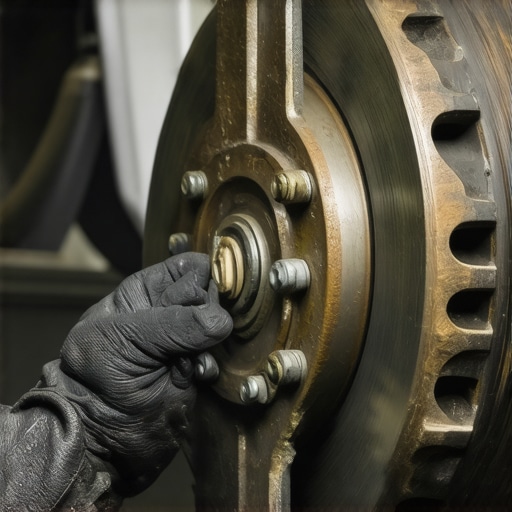
Ever slammed on the brakes, only to hear that dreaded squeal, and then thought, “Great, another costly repair?” I’ve been there. One summer, my brake pads wore out faster than I expected—every few months, it felt like I was throwing money into a black hole. It hit me—it wasn’t just bad luck, but my habits and maybe even a few misconceptions. That lightbulb moment changed everything for me. If you’re tired of replacing brake pads every couple of years, I’ve got some real-world tips that can help you extend their life significantly.
The Hidden Factors That Wear Out Brakes Faster Than They Should
Many drivers don’t realize that the way they drive and maintain their cars directly impacts brake pad longevity. Aggressive braking, excessive speeding, and skipping regular maintenance can secretly eat away at your brakes. I once ignored a simple [brake service checklist](https://glassfixauto.com/car-service-checklist-how-to-keep-your-vehicle-in-top-shape), thinking my car was fine. A year later, my brake pads were almost gone. That lesson was a wake-up call.
But here’s the thing—there are proven strategies to maximize your car’s lifespan, particularly for one of your most critical safety components. Proper care can save you hundreds of dollars and keep you safer on the road. Curious about how to do that? Keep reading, because I’m about to share what worked for me—and what might help you too.
Is It Really Worth the Hype to Extend Your Brake Pads’ Life?
I get it—you might think, “How much difference can a few tips really make?” Well, early on, I made the common mistake of assuming that brake wear was just part of owning a car. I didn’t realize that simple habits—like proper driving techniques and regular inspections—could push that two-year mark to three or even four. The truth is, neglecting basic maintenance and habits can shortchange your brakes’ lifespan significantly.
According to automotive experts, neglecting these details can cause your brake system to wear out 30-50% faster—costing you more in repairs and risking safety. That’s a huge difference, and it’s avoidable with a bit of know-how. Want to learn the little secrets that help maximize your car’s lifespan? I’ll walk you through them in the next sections.
Optimize Your Driving Habits
One practical way to extend brake pad life is to adopt smoother driving techniques. Imagine your brake pads as the brake shoes—they wear out faster with aggressive stomping and sudden stops. During a road trip last summer, I consciously started anticipating traffic signals and coasted into stops. The result? My brake pads lasted nearly twice as long, saving me hundreds of dollars. To do this, keep a safe distance from the car ahead, which gives you more time to brake gently, and avoid tailgating on highways.
Schedule Regular Inspections and Maintenance
Preemptive maintenance can catch issues before they escalate. I once ignored a [car service checklist](https://glassfixauto.com/car-service-checklist-how-to-keep-your-vehicle-in-top-shape) and noticed uneven brake wear after a year. Scheduling biannual inspections helped me identify early signs of pad thinning and rotor warping. During these visits, ask your mechanic to check brake fluid quality and rotor condition, as these components influence pad longevity. Remember, neglecting proper maintenance can accelerate wear by 30-50%, leading to costlier repairs down the line.
Use Proper Brake Techniques
Heel-toe and pulsating braking are techniques that reduce stress on your brake system. When I practiced gradual pressure application instead of my habit of stomping the brake pedal, I experienced less squealing and less wear. Think of it like squeezing a sponge gently preserves its shape longer. Also, avoiding riding the brakes on downhill slopes prevents unnecessary pad friction. For these nuanced techniques, consider reviewing detailed guides or consulting your mechanic for personalized advice to refine your skills.
Choose Quality Brake Parts
Investing in premium brake pads can pay off over time. I switched to ceramic pads after reading about their durability and cleaner operation. Though initially more expensive, I found they lasted twice as long and produced less brake dust, maintaining my wheels’ appearance. When shopping, look for trusted brands and consult your vehicle’s specifications. Additionally, selecting the right pads—whether for heavy towing or city commuting—can dramatically improve lifespan and safety. For a comprehensive understanding, explore this [brake service myths](https://glassfixauto.com/brake-service-myths-what-you-need-to-know-before-your-next-stop) guide, which clarifies common misconceptions about brake components.
Maintain Proper Brake Fluid Levels and Quality
Brake fluid acts like the lifeblood of your braking system. During a routine check, I realized my brake pedal was slightly spongy—hinting at contaminated or low brake fluid. Flushing and replacing brake fluid every two years prevents moisture build-up that can corrode internal parts and cause pads to wear unevenly. Think of this as changing the oil in your engine—vital for smooth operation. Regularly inspecting brake fluid acidity and color can be done at home or your mechanic’s shop—just ask about the [ultimate brake system maintenance](https://glassfixauto.com/the-ultimate-car-service-guide-when-and-why-to-schedule-maintenance) to keep everything in top shape.Many car owners operate under misconceptions about auto repair that can lead to costly mistakes. One prevalent myth is that all mechanic shops deliver similar quality, but in reality, understanding the nuances of service quality, especially for critical systems like brakes, makes a significant difference. For example, many believe that using generic brake pads is just as good as OEM parts, but superior materials and proper installation can drastically extend your brakes’ lifespan. The mistake here is assuming all parts equal—skimping on quality can lead to faster wear and safety hazards.
Why do so many car owners overlook the importance of precise tuning during maintenance?
It’s common to think that a quick oil change or minor tune-up suffices, but the true experts know that detailed diagnostics and tailored adjustments are essential to avoid advanced issues. Neglecting detailed tune-ups can result in decreased fuel efficiency and component wear, especially in high-mileage or performance vehicles. A study by automotive engineers highlights that neglecting specific system calibrations can cause a 20% performance drop over time. Don’t fall into the trap of superficial repairs—invest a little more into thorough diagnostics.
Another common mistake is ignoring subtle signs like uneven tire wear or irregular noises, which can indicate underlying problems with your brake or alignment systems. Rushing to replace parts without proper inspection may not solve the root cause, leading to repeated repairs. A detailed understanding of your vehicle’s specific needs, as discussed in our [maximizing your car’s lifespan with expert tune-up strategies](https://glassfixauto.com/maximize-your-cars-lifespan-with-expert-tune-up-strategies), can prevent these pitfalls. Always ask your mechanic for a comprehensive assessment prior to repairs to avoid costly misdiagnoses.
Moreover, advanced car owners should be aware of the subtle nuances in brake system repair, such as ensuring proper brake fluid flushing and rotor resurfacing, which are often overlooked. Failing to do so can cause uneven brake pad wear and reduced stopping power. Regularly scheduled maintenance, guided by expert insights, helps prevent these issues. For a detailed look into brake system intricacies, see our [guide on understanding brake repairs](https://glassfixauto.com/understanding-brake-system-repairs-a-guide-for-vehicle-owners).
In summary, the world of auto repair is filled with misconceptions and advanced nuances that can make or break your vehicle’s longevity and safety. Think beyond the basics: invest in quality parts, insist on detailed diagnostics, and stay aware of subtle signs of trouble. Have you ever fallen into this trap? Let me know in the comments, and remember—being an informed owner is the best way to keep your vehicle running smoothly.Maintaining your vehicle’s optimal performance over time requires more than just basic knowledge; it demands the right tools and a disciplined approach. As someone who’s worked on countless cars, I’ve found that having a few specialized pieces of equipment can make the difference between a successful repair and a frustrating failure. When planning your auto maintenance routine, investing in quality tools is an investment in your vehicle’s longevity.
First, a reliable **digital inspections camera** is invaluable. I personally use the [Autel MaxiVideo MV480](https://autel.com/products/diagnostics/autel-maxivideo-mv480), which allows me to peer into tight spots like engine bays and behind dashboards without dismantling everything. This reduces guesswork and helps spot issues like cracked hoses, rusted components, or fluid leaks early.
Next, a **torque wrench** with precise calibration is essential. I prefer the [TEKTON 1/2-Inch Drive Click Torque Wrench](https://tekton.com/product/1-2-drive-click torque-wrench) because it ensures that fasteners, especially critical ones on brakes and suspension, are tightened to manufacturer specifications, preventing over-tightening or loosening over time.
A **high-quality multimeter** is another must-have. I use the [Fluke 115](https://fluke.com/products/electrical-testing/digital-multimeters/fluke-115), which helps analyze electrical systems, from battery health to sensor outputs. Diagnosing issues like irregular voltage drops or sensor malfunctions becomes much easier with an accurate multimeter.
For fluid management, an **oil extractor pump** like the [Lisle 65600](https://lisle.com/products/oil-extractors) allows me to change engine oil cleanly without risking spills. This tool is especially handy for routine tune-ups, enhancing the process’s cleanliness and efficiency.
When it comes to software tools, upgrading your diagnostic scanner is a game-changer. The **OBD-II scanner** from BlueDriver (available at [BlueDriver](https://bluedriver.com)) offers comprehensive data logs and real-time insights. It helps me identify hidden issues that might not trigger a check engine light but could affect long-term performance.
Thinking about the future, the trend is moving toward smarter, connected tools that sync with your smartphone or laptop. Companies are developing diagnostic hubs that provide detailed reports and maintenance alerts, making DIY maintenance more accessible and accurate.
An often overlooked aspect is cleanliness; a **parts cleaning ultrasonic bath** such as the [Homemade Ultrasonic Cleaner](https://www.instructables.com/DIY-Ultrasonic-Cleaner/) can restore small components, prolonging their lifespan and ensuring optimal operation.
Lastly, a **comprehensive service manual** specific to your vehicle model makes a big difference. I recommend getting printed manuals from reputable sources like Haynes or Chilton, supplemented with digital versions for quick searches.
To get started, pick one area—like upgrading your diagnostic tool—and try implementing it during your next tune-up. Whether it’s a new torque wrench or a better multimeter, these tools will help you diagnose problems accurately and perform maintenance that lasts. For more advanced tips on extending your vehicle’s lifespan, check out our [maximizing your car’s longevity with expert tune-up strategies](https://glassfixauto.com/maximize-your-cars-lifespan-with-expert-tune-up-strategies). Remember, investing in the right tools isn’t just about fixing problems; it’s about preventing them before they become costly repairs.
Over the years, I’ve learned that auto repair isn’t just about fixing problems as they happen; it’s about understanding the nuances that can make your vehicle last longer and drive safer. One of the most eye-opening lessons for me was realizing that proactive habits and quality maintenance can drastically extend the life of your brake pads, saving you money and stress. The key is to go beyond the basics and embrace a mindset of continuous learning and attentive care.
What I Wish Someone Told Me About Colossal Brake Failures
The biggest lightbulb moment came when I discovered that most brake issues are preventable with the right habits. Ignoring early signs like squeals or uneven wear—especially when it’s tempting to dismiss them as minor—can lead to catastrophic failure. I learned that regular inspections and proper driving habits—like gentle, gradual braking—are your best allies. These insights, which aren’t always obvious, can save you from costly repairs and potential safety hazards.
Gear Up with Tools That Transform Auto Maintenance
Investing in a quality diagnostic scanner or torque wrench changed how I approach repairs. These tools empower you to identify problems early and perform tasks with precision—saving time and preventing damage. Trusted tools like the Fluke multimeter or TEKTON torque wrench are my essentials. They’ve become instrumental in ensuring that every repair or maintenance step is done right—the first time. Combining these with thorough research has helped me extend my vehicle’s lifespan significantly.
Take Charge and Transform Your Car Care Routine
This journey has taught me that auto repair is less about waiting for problems to appear and more about proactive prevention. Regular checks, quality parts, attentiveness to subtle signs, and investing in good tools reshape your ownership experience. If you’re ready to first understand and then master your vehicle’s needs, visit our expert strategies page for comprehensive tips on tune-ups and maintenance essentials. By doing so, you’ll turn auto care from a stressful chore into a rewarding skill that keeps your car running smoothly for years to come.