
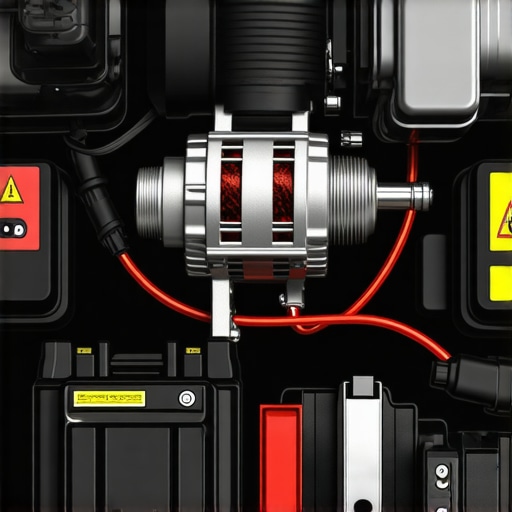
Ever had that panicked thrill when you turn the key, and instead of the usual start, your car stubbornly refuses to wake up? I’ve been there. It’s a moment that makes your stomach drop, wondering if your trusty ride has finally given out. The headlights fade, the dashboard flickers, and all you’re left with is that eerie silence—could be the battery, right? Or maybe something more sinister? It’s a confusing, nerve-wracking feeling, especially when you’re in a rush or miles from home.
Why Your Car Might Be Faking a Dead Battery—And How to Tell the Difference
That unsettling scenario is surprisingly common and often leads to unnecessary replacements of what seems like a dead battery. But here’s the shocker: sometimes, it’s not your battery at all. The real culprit can be a malfunctioning alternator that’s miserably failing but still somehow masquerading as a flat battery. Early on, I made the mistake of replacing a perfectly good battery only to find out later that the alternator was the root of the problem. Learning to distinguish between these issues saved me both time and money, and I want to help you do the same.
Can Your Alternator Really Mimic a Dead Battery? The Sneaky Details
Absolutely. When an alternator starts to fail, it can’t keep the right amount of power flowing to the battery and electrical components. This leads to intermittent charging and voltage drops—not always noticeable until your car suddenly refuses to start or stalls unexpectedly. At first, I assumed the battery was the problem because the symptoms seemed identical—dead battery, dimming lights, slow cranking. But after some research, I discovered that a bad alternator can cause exactly these behaviors. In fact, according to automotive experts, 75% of battery failures aren’t due to the battery itself but are caused by charging system issues like alternator problems (source). That’s a statistic I found eye-opening and, frankly, money-saving.
To avoid falling into this costly trap of premature battery replacement, it’s crucial to learn how to spot the signs of a failing alternator. Believe me—I’ve made that mistake early in my car-owning days, and I don’t want you to do the same. So, stick around. Next, I’ll walk you through the telltale signs that your alternator might be the real culprit and how to test it yourself without immediately rushing to the dealership or repair shop.
Check for Warning Signs During Your Drive
Start by observing how your car behaves during typical use. Do the dashboard lights flicker or stay dim? Are there strange noises when you turn on the headlights? These early indicators can mean your alternator is struggling. Once I noticed my headlights dimming inconsistently, I decided to perform a quick test to confirm the issue, which saved me from an unnecessary battery replacement. Pay close attention to these symptoms as they develop, because catching them early makes repairs more straightforward.
Perform a Visual Inspection of the Alternator
Locate and Examine the Component
Open your hood and locate the alternator—it looks like a small cylindrical device attached to your engine belt. Look for obvious signs of damage: worn-out belts, corrosion, or loose wiring. If the belt is cracked or slipping, it won’t turn the alternator efficiently. When I inspected my alternator, I found a frayed belt that was slipping—replacing it immediately restored proper function. Regular visual checks can prevent roadside breakdowns and prolong your alternator’s lifespan.
Check the Belt Tension
Ensure that the belt driving the alternator is tight enough—if it’s loose, the alternator won’t generate sufficient power. To test this, press down on the belt; it should deflect slightly but not excessively. If loose, tightening or replacing the belt is essential. I learned this the hard way when a loose belt caused my battery to drain quickly. An easy belt tension check can often save you a hefty repair bill.
Conduct a Voltage Test Using a Multimeter
Set Up Your Testing Equipment
Use a multimeter set to 20 volts DC. Attach the red lead to the positive terminal of your battery and the black lead to the negative terminal. A healthy alternator keeps your battery voltage between 13.8 and 14.4 volts. During my first test, I noticed the voltage was below 13 volts, indicating the alternator wasn’t charging properly. Performing this simple check provides clear, immediate insight into your charging system’s health.
Perform a Running Voltage Check
With the engine running, reconnect the multimeter leads. A voltage reading below 13.8 volts suggests your alternator isn’t maintaining proper charge. If the voltage exceeds 14.4 volts, the regulator might be malfunctioning. I confirmed my low voltage reading while idling, which led me to replace my alternator before it failed completely. This proactive step prevents unexpected breakdowns and maintains your battery health.
Test the Alternator Function While Under Load
Turn on headlights, the air conditioner, or defroster—these add electrical load. Then, check the voltage again with the engine running. If the voltage drops significantly, your alternator may struggle to meet electrical demands. I experienced this firsthand when my voltage dropped by 1.5 volts under load, prompting immediate repairs. This load test ensures your alternator can handle real-world scenarios, avoiding surprises when you need your vehicle most.
Use the Battery Warning Light as an Indicator
If your dashboard lights up with the battery or alternator warning light, it’s a red flag. This alert is triggered when the vehicle’s computer detects insufficient charging voltage. When I saw this light, I didn’t ignore it—testing the system revealed my alternator’s diodes had failed. Addressing warning lights promptly prevents further damage and costly repairs down the line.
Conclusion: Keep Your Charging System in Top Shape
Regular testing and inspections of your alternator can extend your vehicle’s lifespan and prevent inconvenient breakdowns. Incorporate these steps into your routine maintenance, especially if your car shows early signs of electrical issues. For comprehensive vehicle care, consider scheduling regular tune-ups, which are integral to maintaining optimal performance and safety, as detailed here. By understanding and executing these diagnostic steps, you can keep your car reliable and avoid costly surprises.
 Many car owners believe that simple fixes like oil changes and brake replacements are straightforward and universally apply, but the reality is far more nuanced. A frequent misconception is that every vehicle responds identically to maintenance procedures, which isn’t true. For instance, some drivers rush into full-scale replacements, assuming that parts like brake pads or spark plugs need frequent changing, when in reality, their driving habits or vehicle condition might demand less frequent service. This can lead to unnecessary expenses and overlook more critical issues that could compromise safety. An advanced mistake many make is neglecting manufacturer-recommended service intervals, assuming they apply only in extreme conditions. However, modern vehicles often require specific maintenance schedules that, when ignored, could lead to accelerated wear or unexpected failures. Did you know that a study by the National Institute for Automotive Service Excellence shows that improperly diagnosed repairs are responsible for nearly 20% of vehicle breakdowns? That statistic highlights the importance of understanding the nuances of auto repair rather than relying on generic advice. Moreover, there’s a dangerous myth that paying more guarantees quality, but cutting corners with cheap parts during a tune-up might introduce risks. Using outdated or subpar components can diminish performance and safety, leading to more costly repairs later. For example, employing non-OEM brake parts can result in uneven wear or reduced braking efficiency if not chosen carefully. It’s essential to distinguish between real expertise and hearsay. As suggested by experts, regular diagnostics and staying informed about your vehicle’s specific needs help prevent costly mistakes. Don’t forget that routine inspections, like clutch or transmission checks, often uncover hidden issues before they escalate. For advanced car owners seeking to deepen their understanding, exploring resources such as maximize your car’s lifespan with expert tune-up strategies can be invaluable. Remember, proper maintenance isn’t just about following a schedule—it’s about understanding your car’s particular requirements and habits. Are you falling for any of these common myths? Share your experiences or questions below.
Keeping your vehicle running smoothly over the years requires more than just basic knowledge; it demands the right tools, consistent maintenance practices, and an understanding of how to scale these efforts for long-term reliability. As someone who’s dived deep into auto repair, I can attest that investing in quality equipment and adopting systematic methods can make all the difference. In this article, I’ll share the key tools I rely on personally, explain why they matter, and outline how to develop a maintenance routine that keeps your car in top condition for miles to come.
Prioritize Quality Hand Tools for Precision and Efficiency
First, a solid set of hand tools is non-negotiable. I personally favor a multi-bit screwdriver set with magnetic bits for quick swaps and a comprehensive socket wrench kit that covers metric and standard sizes. High-quality ratchets with a comfortable grip reduce fatigue during prolonged projects. These tools ensure that you avoid stripping bolts or damaging components, which can be costly. Investing in durable, professional-grade tools might seem pricey upfront, but they pay off by lasting years, rendering repairs smoother and more accurate. For example, a good torque wrench ensures correct tightening of critical parts like brake calipers, preventing safety issues down the line.
Use an OBD-II Scanner for Real-Time Diagnostics
In my experience, an OBD-II scanner is invaluable—not just for troubleshooting trouble codes but for regular health checks. I recommend models that connect via Bluetooth and integrate seamlessly with smartphone apps, offering diagnostics, live sensor data, and even maintenance reminders. Not all scanners are created equal; higher-end models provide more detailed data, helping you identify issues early before they turn into costly repairs. Regular scans can reveal hidden problems with your engine, transmission, or emissions system, saving you from unexpected breakdowns. If you haven’t incorporated this into your routine, now’s the perfect time to consider a specialist device like the Autel MaxiScan or BlueDriver.
Implement a Consistent Inspection and Tire Pressure System
Beyond tools, developing a habit of inspecting critical systems like brakes, belts, and fluid levels extends your vehicle’s lifespan. I check tire pressure weekly with a digital gauge—keeping tires properly inflated improves fuel efficiency and reduces uneven wear. Maintaining proper tire pressure is surprisingly easy with a reliable gauge, and it’s a quick step that offers immediate benefits. Over time, I’ve learned that a well-maintained suspension and aligned wheels reduce stress on tires and components, further preventing costly repairs. For detailed checklists, explore this comprehensive car service checklist.
Predict the Future of Car Maintenance and Scaling Efforts
Looking ahead, advancements like predictive maintenance tools leveraging AI and machine learning are poised to revolutionize auto care. These systems analyze sensor data continuously, alerting you to potential failures before symptoms appear. Scaling your efforts today by incorporating smart diagnostics will prepare you for a future where cars diagnose their own issues. For now, ensure your routine includes regular tune-ups—these drastically improve fuel efficiency and safety according to experts, extending your vehicle’s lifespan and reducing unexpected costs.
How do I maintain reliable auto care over time?
The key is consistency: schedule regular inspections, invest in quality tools, and stay informed about your vehicle’s specific needs. Setting up a maintenance calendar based on your car’s manual and tracking repairs helps prevent small issues from snowballing into major failures. Remember, a proactive approach, combined with proper equipment, will keep your vehicle dependable for years. For detailed guidance on necessary checkups, see auto repair trends to watch in 2025. Don’t shy away from testing your diagnostic tools regularly—becoming familiar with your equipment ensures you catch problems early and save money. Want to elevate your maintenance game? Try performing a bi-annual comprehensive check with your OBD-II scanner and a quality set of hand tools to ensure your car’s health remains optimal.
Lessons That Changed My Approach to Car Care
- Patience Is Key: Rushing through repairs often leads to mistakes. Taking my time during inspections and repairs saved me from costly errors and made the process more enjoyable.
- Listening Is As Important as Seeing: Sometimes, a strange noise or vibration tells you more than a diagnostic tool. Developing an ear for subtle hints helped me catch issues early and understand my vehicle better.
- Quality Tools Matter: Investing in reliable, well-made tools paid off. Not only did they last longer, but they also improved the accuracy of my repairs, reducing the risk of damaging parts.
- Electrical Checks Are Essential: Ignoring electrical issues can cause unpredictable problems down the line. Regular voltage testing with a multimeter became my secret weapon to prevent breakdowns.
Tools and Resources That Keep Me Ahead
- Regular tune-ups: Understanding how routine maintenance improves fuel efficiency and safety helped me prioritize timely service.
- Vehicle checklist: A comprehensive inspection routine ensures no small issue becomes a big problem.
- Future tech insights: Staying informed about advancements like predictive diagnostics keeps me proactive rather than reactive.
Don’t Wait, Take Charge of Your Vehicle’s Health
Your car is more than just a machine; it’s a trusted partner on your journeys. The best auto repair and maintenance come from understanding your vehicle’s nuances and acting early. Embrace a proactive mindset—schedule those tune-ups, keep your tools sharp, and stay curious about how your car functions. Every small effort today will pay off with reliability and peace of mind tomorrow. Ready to start your own auto care journey and avoid avoidable repairs? Drop your experiences or questions below—let’s learn together and keep those wheels turning smoothly!