
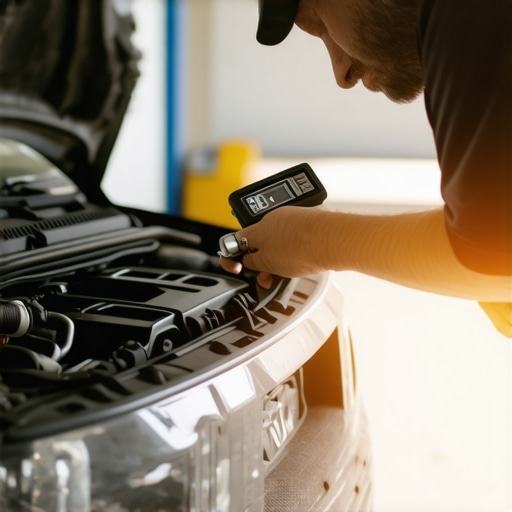
I remember the exact moment it hit me—stuck in traffic, engine temperature creeping up, and my heart pounding. It was a hot summer day, and my car suddenly sputtered, smoke billowing from under the hood. That terrifying experience made me realize how fragile our engines really are and how a simple, quick check could have prevented the crisis. Since then, I’ve been obsessed with discovering those little tricks that can save you from costly repairs and stressful breakdowns.
Why Overheating Almost Ruined My Weekend—and Could Do the Same to You
Recently, I faced a problem that many drivers overlook—an easy, five-minute inspection that can alert you to potential overheating issues before they turn into a disaster. Overheating isn’t just about losing a few minutes stuck in traffic; it can cause severe engine damage, leading to expensive repairs. And the worst part? Many of us ignore small warning signs or skip quick checks altogether. But here’s the good news—by performing a simple inspection during your routine checks, you can catch trouble early and avoid roadside panic.
Is This Quick Check Worth the Hassle?
At first, I was skeptical. I thought, ‘It’s just a quick glance; what’s the harm if I miss something?’ That mistake nearly cost me a new head gasket. Early on, I underestimated how tiny issues could escalate into major failures. Since then, I’ve learned that consistent, simple inspections dramatically reduce the risk of engine overheating. This isn’t about complicated tools or technical expertise—just a mindful peek under your hood can make all the difference. Want to learn how I started doing this in under five minutes? Keep reading. For more insights on maintaining engine health, check out how regular tune-ups improve fuel efficiency and safety.
Start with the Radiator
Park your car on a level surface and let it cool down for at least 30 minutes. Open the hood and locate the radiator. Check the coolant level in the reservoir, which is usually a translucent tank with markings. If it’s below the minimum line, top it off with the correct mixture of antifreeze and water. Avoid opening the radiator cap when the engine is hot, as hot coolant can cause burns. Make this a habit during routine inspections to catch coolant leaks early.
Inspect the Cooling Fans and Belts
While the engine is cool, visually examine the radiator fans for any debris or damage. Turn on the engine and let it reach normal operating temperature, then observe if the fans activate as they should. A malfunctioning fan can lead to overheating, especially in stop-and-go traffic. Also, check the serpentine belt for cracks, fraying, or loosening. A worn belt is like a weak link in a chain—replace it before it snaps and leaves you stranded. Regularly inspecting these belts can save you hours of trouble and prevent costly repairs.
Ensure Proper Oil Levels and Quality
Oil acts as a coolant for your engine’s internal components. Pull out the dipstick, wipe it clean, then reinsert it and check the level. If it’s low, add the recommended oil type. If the oil looks dirty or sludge-like, consider scheduling a oil change or flush—delaying this can cause your engine to work harder and overheat. Remember, clean oil is like good blood for your engine; it keeps everything flowing smoothly and cool.
Test the Radiator Cap
A faulty radiator cap can cause pressure loss, leading to overheating. Carefully remove the cap (only when the system is cool), and inspect the rubber gasket for cracks or wear. If the cap doesn’t lock securely or shows signs of damage, replace it promptly. This tiny component plays a big role in maintaining proper pressure within the cooling system, which directly impacts overheating issues.
Check for External Leaks and Damaged Hoses
Look around the radiator, hoses, and water pump for signs of leaks, wet spots, or crusty deposits. Damaged hoses are like cracked pipes—if ignored, they can cause coolant loss. Feel the hoses for softness or bulges indicating wear. Replace any compromised hoses to keep the cooling system sealed and functioning properly. For a comprehensive checklist on maintaining your vehicle, see this car service checklist.
Perform a Quick Test Drive
After completing the visual inspections and top-offs, take your car for a short drive. Monitor the temperature gauge closely and listen for any unusual noises. If the engine runs cooler and no warning lights appear, you’ve just completed a simple tune-up that can prevent most overheating problems. Incorporate these checks monthly to keep your engine healthy and avoid unexpected breakdowns.
When it comes to car maintenance, a common misconception is that simple routines like tune-ups and brake services are straightforward, quick fixes. However, as an automotive expert, I can tell you that there are nuances and pitfalls many overlook, leading to subpar results or even damage. One widespread myth is that replacing parts blindly, based solely on mileage or generic schedules, guarantees optimal performance. In reality, a diagnostic approach tailored to your vehicle’s actual condition yields better results and can save you money in the long run.
Another trap is assuming that all shops provide the same quality of service. Low-cost options might seem appealing, but they often lack the expertise or proper equipment for advanced diagnostics, especially for modern vehicles with complex systems. This can lead to incomplete repairs or missed issues, causing headaches later. For example, a cutting-edge auto repair shop employs sophisticated tools that detect problems before catastrophic failure—something an average shop might overlook.
What Advanced Vehicle Diagnostics Reveal That Basic Checks Miss
Modern cars are equipped with sensors and onboard diagnostics that can provide detailed insights into engine health, emissions, and much more. Relying solely on visual inspections or basic fluid checks ignores these critical signals. For instance, advanced diagnostics can identify subtle issues like sensor misalignment or early-stage wiring problems, preventing costly repairs down the line. Ignoring these signs is a common mistake that can accelerate component wear or cause engine inefficiency.
It’s also tempting to delay maintenance, thinking it’s unnecessary until a warning light appears. But routine tune-ups and preventive care are proven to extend vehicle lifespan and improve safety. Skipping these checks not only risks breakdowns but also voids manufacturer warranties in some cases, especially if ignored during critical intervals.
In summary, understanding the nuances of auto repair and maintenance—such as diagnostic-driven service, selecting experienced technicians, and not delaying routine upkeep—can prevent small issues from becoming costly disasters. Don’t fall for the myth that auto maintenance is always straightforward; instead, approach it with an informed, strategic mindset. Want to learn more about optimizing your car’s performance? Visit this guide for expert tune-up strategies. Have you ever fallen into this trap? Let me know in the comments.
Keeping Your Vehicle Running Smoothly Over Time
Achieving reliable, long-term performance from your car isn’t just about occasional fixes; it requires a strategic approach, the right tools, and consistent care. As an automotive enthusiast, I rely on specific equipment and software that have proven invaluable in diagnosing issues early and performing precise maintenance. Investing in quality tools not only extends your vehicle’s lifespan but also saves you money and frustration down the road.
Why I Trust Diagnostic Scanners Like the Autel MaxiAP
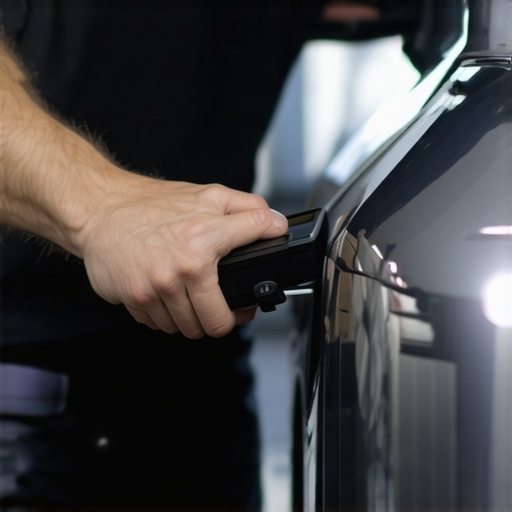
When it comes to troubleshooting, I prefer the Autel MaxiAP scanner because of its comprehensive OBD-II capabilities and user-friendly interface. It allows me to quickly identify stored fault codes, monitor live data, and clear emissions-related issues without needing a mechanic’s intervention. This real-time insight helps me decide whether a simple tune-up suffices or if a professional’s expertise is needed. As vehicle technology advances, integrating such diagnostic tools is becoming indispensable for proactive maintenance.
Tools That Make Routine Tune-Ups Easier and More Effective
For routine tune-ups, I swear by a high-quality torque wrench like the Tekton Digital Torque Adapter, ensuring I tighten components to manufacturer specifications. Proper torque prevents damage and ensures optimal performance. Additionally, a magnetic oil drain pan simplifies oil changes, minimizing mess and ensuring I collect waste oil safely for eco-friendly disposal. Investing in a quality funnel with a filter mesh helps me add fluids precisely, avoiding spills and contamination. Regular use of these tools keeps maintenance tasks straightforward and effective.
How Do I Maintain Consistent, Reliable Results Over the Years?
Scheduling regular diagnostics—say, every 6,000 miles or during annual service—ensures I catch issues early. Keeping detailed records using maintenance software like Carfax’s My Car app helps track component wear and upcoming service needs. Also, staying informed about emerging auto repair trends through reliable sources ensures I adapt my approach; for example, understanding future trends in sensor technology helps me select diagnostic tools that will remain relevant. These practices create a reinforcement loop, ensuring my vehicle remains in top shape for the long haul.
Advance Your Car Care with Expert Tips
One practical step you can try today is using a digital torque wrench when tightening essential components during your next maintenance. This tiny investment pays off by preventing over-tightening or under-tightening, both of which can cause long-term damage. To stay ahead in auto upkeep, check out auto repair trends for 2025 and see how technological advances will change your routine.
Remember, modern vehicles are increasingly reliant on sensors and precise calibration. Incorporating advanced diagnostic tools into your maintenance routine is a game-changer. Whether you’re performing a simple brake check or a more complex engine tune-up, these tools help ensure your car’s longevity and performance. Don’t wait until small problems turn into costly repairs—start equipping yourself with the right instruments today.
If you’re serious about long-term car care, explore the latest in diagnostic technology and maintenance methods to future-proof your vehicle. The right tools, combined with consistent checks, will keep your car reliable and safe for years to come.
Uncover Hidden Truths About Car Maintenance That Changed My Approach
- One unexpected revelation was how minor sensor issues could cause major overheating problems—early diagnostics save money and stress.
- I learned that trusting a single service or quick fix isn’t enough; regular, comprehensive checks reveal hidden wear that could turn costly.
- Understanding the subtle signs of belt wear and coolant dilution transformed my routine inspections into powerful prevention tools.
- Investing in a quality diagnostic scanner like the Autel MaxiAP proved invaluable, turning guesswork into precise maintenance decisions.
- Starting simple, like checking oil and coolant levels monthly, builds a proactive mindset that keeps my engine running smoothly for years.
My Go-To Tools and Resources for Real Auto Care Impact
- Autel MaxiAP Scanner: Offers comprehensive onboard diagnostics, making troubleshooting quick and accurate—my secret weapon for early problem detection.
- Torque Wrench (like Tekton Digital): Ensures every bolt is tightened correctly, preventing long-term damage caused by over or under-tightening.
- Carfax My Car App: Keeps detailed maintenance records, helping me anticipate service needs and avoid surprise breakdowns.
- Auto Repair Trend Reports: Staying informed about emerging technology and repair methods, especially future trends in 2025, keeps my knowledge sharp and my vehicle dependable.
Take the First Step Toward Better Engine Health Today
Your vehicle’s longevity and performance depend on proactive, informed care. Whether you’re just starting or looking to refine your routine, remember that small, consistent steps build a resilient engine. Embrace the tools and insights explored here—your car will thank you for it. Don’t hesitate to dive into regular diagnostics and simple checks; they could save you from unexpected breakdowns and costly repairs. Want to share your own experiences or ask questions? Drop a comment below and join the conversation about how to keep your engine healthy and happy for the long haul.