
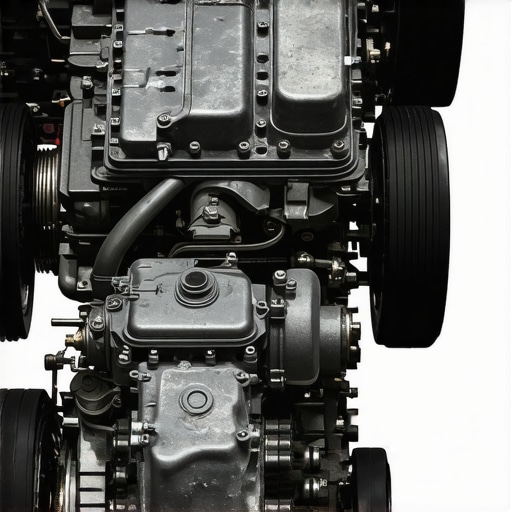
It was a hot summer day when I first experienced that gut-wrenching feeling—my car jerked abruptly as I shifted gears, and I knew something was seriously wrong. A quick check under the hood revealed dark, sludgy transmission fluid, a telltale sign of neglect. That moment had me questioning how I had ignored what seemed like a minor maintenance task for so long. Little did I realize, skipping a transmission flush isn’t just about short-term inconvenience; it can cost much more than I ever imagined.
The Real Cost of Ignoring Your Transmission Fluid
Many vehicle owners underestimate the importance of regular transmission maintenance. We tend to focus on shiny new tires, brake pads, or shiny paint jobs—but forget that the heart of smooth shifting and reliable performance lies within the transmission system. When transmission fluid becomes contaminated or breaks down, it can lead to costly repairs, often far beyond what a routine flush would have cost.
Will Skipping It Save You Money Initially?
It’s tempting to think, “Why spend on maintenance I can put off?” I used to believe that too, especially when my car seemed fine on the surface. But early on, I made a mistake of postponing that transmission service, thinking it wasn’t urgent. Fast forward a few thousand miles, and I was faced with a slipping transmission and a hefty bill. This experience taught me a valuable lesson: neglecting routine maintenance often results in higher expenses—and stress. Don’t let this be your story. For reliable, safe driving, you need to understand what happens beneath the surface when you skip this vital service. Want to learn how to prevent this? Read on.
Is Transmission Flushing Actually Worth the Hype?
Many skeptics question whether a transmission flush truly makes a difference. Skepticism is healthy, but evidence shows that for most vehicles, regular transmission fluid changes can significantly extend the lifespan of the transmission, saving you money in the long run. According to automotive experts, neglecting this maintenance can lead to buildup of debris and varnish inside the transmission, causing it to work harder and wear out faster. This buildup can ultimately lead to complete transmission failure, which is an expensive problem you want to avoid.
If you’ve ever wondered whether skipping a transmission flush is a smart move, ask yourself: Have I noticed slipping gears or delays shifting? Those signs are warning signals that your transmission needs attention—and delaying it could be costly. Curious how often your vehicle should have this service performed? You might want to [schedule a consultation](https://glassfixauto.com/contact-us) with a trusted auto technician.
What’s more, I learned early on that DIY tips and advice from friends can sometimes hurt more than help. Always check what your manufacturer recommends. These guidelines are based on real-world testing and manufacturer specifications, making your decision smarter.
Now that I’ve shared my experience and clarified that routine transmission maintenance isn’t just a good idea—it’s essential—let’s delve into the practical steps you can take to keep your transmission in optimal shape. Because trust me, facing a breakdown in the middle of your commute isn’t just inconvenient; it’s expensive. Ready to learn more? Keep reading to discover how to avoid the costly mistakes I once made.
Prepare Your Workspace and Gather Supplies
Start by parking your car on a level surface and engaging the parking brake. Gather the necessary tools: a transmission fluid exchange machine or a drain pan, new transmission fluid recommended by your vehicle manufacturer, and safety gloves. I remember the first time I did this, I set up in my driveway, making sure I had ample space to work safely. Proper preparation ensures the process goes smoothly and prevents mishaps.
Warm Up the Transmission
Drive the car for 10-15 minutes to warm up the transmission fluid. Warm fluid flows easier and gives a more accurate reading of the fluid’s condition. During my first attempt, I neglected this step, which resulted in a less effective flush. Remember, cold fluid is thicker, and cooling temperatures can prevent proper circulation during the flush.
Drain the Old Fluid
Locate the transmission pan drain plug and carefully loosen it with the appropriate wrench. Place your drain pan underneath to catch the used fluid. Be prepared for some residual fluid to spill; wearing gloves helps keep your hands clean. This step is similar to draining oil during an oil change but involves the transmission-specific pan, which often requires removing a few bolts. I learned this the hard way when I didn’t have the right tools and ended up spilling fluid on my driveway—so having the proper wrench set can save you time and mess.
Replace the Filter and Seals
Many transmissions have a filter that traps debris; replacing it is crucial. Remove the old filter, clean the area, and install the new filter. Also, inspect and replace worn seals to prevent leaks. During my project, I found a torn gasket during this step, which would have caused future leaks. Investing a few extra minutes here prevents costly repairs down the line. Think of it like changing your air filter—you won’t notice the benefits until it’s too late if you skip this.
Refill with New Transmission Fluid
Using a funnel, pour in the recommended amount of new transmission fluid. Check your vehicle’s manual for the exact capacity. Some cars have a dipstick, while others require a technician to perform a computerized fill. After my first refill, I used a fluid tester to confirm proper levels. Overfilling can cause foaming and damage, while underfilling can lead to slipping—precision counts here. Take your time to add fluid gradually, monitoring levels carefully.
Run Through the Gears and Check the Result
Start the engine and shift through all gears, including park, reverse, neutral, drive, and low. This circulates the new fluid throughout the system. During this step, I noticed a smoother gear change after the flush. Then, with the engine running, recheck the fluid level and top off if necessary. Doing this ensures the transmission operates optimally and prolongs its life. It’s like tuning a musical instrument—you need to make constant adjustments for harmony.
Dispose of Old Fluid Responsibly
Transport used transmission fluid to a recycling center or authorized disposal facility. Never pour it down the drain or onto the ground, as it’s hazardous. In my early days, I was tempted to dump it in the trash—I learned the environmental impact the hard way. Proper disposal is both an ethical responsibility and often a legal requirement. Check your local guidelines for disposal procedures.
Schedule Regular Maintenance to Avoid Future Problems
Performing a transmission flush every 30,000 to 60,000 miles—or as recommended—keeps the transmission working smoothly. Combine this with regular inspections, such as checking the cooling system and inspecting drive belts, as outlined in the car service checklist. Staying proactive prevents breakdowns and expensive repairs. Remember, a little effort today saves a lot of money tomorrow.
Many vehicle owners believe they understand the basics of auto repair and maintenance, often relying on popular myths that can lead to costly mistakes. Let’s dig deeper into some misconceptions and reveal the nuanced truths that can save you money and extend your car’s lifespan. For example, a prevalent myth is that if your car isn’t showing symptoms, maintenance isn’t urgent. Reality is, preventive measures like routine tune-ups and brake service are essential, not just reactive fixes. Skipping these can cause minor issues to escalate, leading to more expensive repairs later. Have you ever fallen into this trap? Let me know in the comments.
Another common misconception involves brake maintenance. Many think that brake pads alone determine stopping power, but in reality, components like rotors, calipers, and brake fluid quality play crucial roles. Neglecting these can cause uneven brake wear or even brake failure. Regular brake system diagnostics, including checking the master cylinder and brake lines, are vital; you can learn more about this in our detailed guide on understanding brake system repairs.
A trap many fall into revolves around tune-ups. Some believe they’re only necessary for older vehicles or when problems arise. In truth, regular tune-ups—such as inspecting spark plugs, air filters, and fuel injectors—not only improve performance but also fuel efficiency and emissions. The key is to adhere to manufacturer schedules, which are based on optimal operating conditions. For comprehensive tips, check out tune-up strategies for peak performance.
Now, a hidden nuance often overlooked: the importance of understanding your vehicle’s unique needs. Modern cars come equipped with advanced sensors and control modules that demand tailored maintenance approaches. Relying solely on generic advice can result in over- or under-maintaining critical parts. Staying informed through up-to-date industry trends, like the predicted auto repair trends for 2025, helps you make smarter decisions.
Finally, I caution against the trap of DIY repairs without proper knowledge. While minor maintenance tasks are manageable, attempting complex repairs like brake service or transmission flushes without expertise can cause more harm than good. When in doubt, consulting a trusted professional ensures safety and longevity. Want to learn how to identify a trustworthy shop? Visit our contact page.
Understanding these nuances empowers you to make informed decisions that protect your investment and safety. Are there any myths you’ve believed that turned out to be false? Share your experiences below, and let’s continue this conversation about smarter auto maintenance.
Keep It Running: Tools I Trust for Auto Maintenance
Maintaining a vehicle over the years requires more than just knowledge; it demands the right equipment. One of my go-to tools is a high-quality digital multimeter. I use it consistently to diagnose electrical issues like parasitic drains and battery problems—saving time and money. Accurate readings are vital, and I prefer a multimeter with auto-ranging features, like the Fluke 115, which I’ve found reliable and easy to use despite being a professional-grade device. 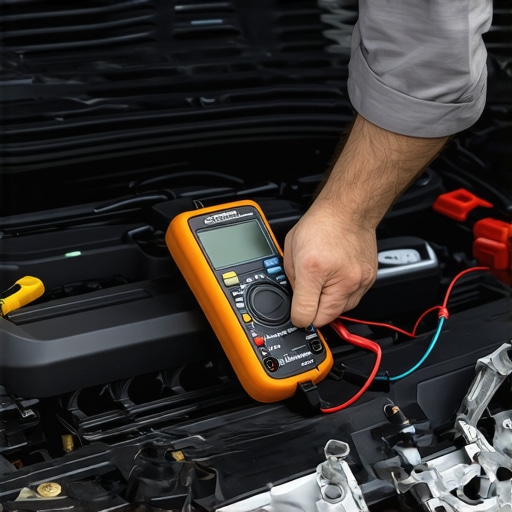
For fluid and oil inspections, I swear by a versatile fluid tester like the Motive Products Hydraulic Fluid Tester. It helps me determine whether transmission fluid or brake fluid still has the right viscosity, ensuring I don’t change fluids prematurely or delay necessary replacements. Markers, gloves, and clean rags are simple but effective tools that keep my workspace organized and safe.
Leverage Software for Better Diagnostics
On the software side, OBD-II scan tools have revolutionized auto diagnostics. I personally use the BlueDriver Bluetooth Scanner, which pairs seamlessly with my smartphone, providing comprehensive codes and real-time data. This eliminates unnecessary part replacements and helps me pinpoint issues more efficiently. With the automotive industry heading toward increased computerized systems, investing in a reliable scan tool is a proactive step for any DIY enthusiast or professional technician.
How do I maintain tools over time?
Proper maintenance of your equipment is essential for sustained accuracy. I always keep my multimeter and scan tools in protective cases and periodically calibrate or check their functionality against known good sources. Regularly cleaning the connectors and batteries ensures longevity, especially when tools are subjected to harsh garage environments. Staying organized with tool racks or labeled storage helps prevent loss or damage, keeping your maintenance routine smooth and predictable. Remember, the better care you take of your tools, the more reliable your diagnostics will be—saving you money and extending your vehicle’s life.
Looking toward the future, I predict that automation and AI-driven diagnostics will become standard. Newer vehicles will rely even more on connected sensors and cloud-based troubleshooting, making integrated system checks faster and more comprehensive. Embracing these advances now prepares you to handle complex issues more effectively.
Try integrating advanced diagnostic tools into your routine today. Start with a quality scan tool like BlueDriver, and see how much easier it is to catch issues early. For ongoing maintenance, keep your fluids and electrical testing gear in top shape, and you’ll ensure your vehicle runs smoothly for miles to come. Want personalized advice on selecting tools for your vehicle? Reach out to our experts and take the first step toward smarter auto care.
The Hardest Lesson I Learned About Auto Maintenance
One crucial mistake I made was neglecting routine transmission service, believing it was optional. I learned the hard way that even small delays can lead to costly repairs and breakdowns. Listening to my experience, I realize that consistent maintenance, especially transmission flushes, isn’t just about keeping the car running; it’s about preserving your peace of mind and wallet.
Why I underestimated the power of good maintenance
I used to think that if my car didn’t show signs of trouble, I could postpone servicing. But I soon discovered that contaminants build up inside the transmission, causing wear and failure over time. The moment I finally scheduled a flush, I saw an immediate improvement in shifting smoothness. It became clear: proactive care beats reactive fixes every time.
My Favorite Tools for Auto Care
A quality scan tool like the BlueDriver Bluetooth Scanner has become indispensable for diagnosing issues early. I trust it because it provides detailed insights that save me time and unnecessary expenses. Alongside it, I use a hydraulic fluid tester to ensure my transmission fluid remains in optimal condition. These tools empower me to keep my vehicle healthy without frequent visits to the mechanic.
Books and Resources That Changed My Approach
The [Ultimate Car Service Guide](https://glassfixauto.com/the-ultimate-car-service-guide-when-and-why-to-schedule-maintenance) offered me in-depth understanding of what maintenance tasks are truly necessary at different mileage points. Additionally, industry trend reports like [Auto Repair Trends for 2025](https://glassfixauto.com/auto-repair-trends-to-watch-in-2025-staying-ahead-of-the-curve) help me stay ahead of the curve with modern vehicle care techniques.
Believe in Your Ability to Keep Your Car Running Longer
Every time I delay maintenance, I risk higher repair costs and safety issues. Trusting your knowledge and tools, and staying committed to regular service, makes a real difference. Your car’s performance and longevity rely on the habits you build today. Ready to take your auto care to the next level? Start with a simple check or schedule your next service now.
To make your auto maintenance journey easier, how do you decide when to perform critical services like transmission flushes? Share your thoughts below—your experience might help others avoid costly mistakes!