
I remember the day I ignored that slight squeak in my front wheel—until I heard it no more. Next thing I knew, I was stranded on the side of the road, shaken but lucky I caught it in time. That moment of realization hit me hard: a little warning sign can save you from a big, costly disaster. And when it comes to your vehicle’s safety, nothing is more critical than knowing how to spot a failing ball joint before it snaps and causes a serious accident.
Why Ignoring Ball Joint Warnings Can Be Dangerous
A ball joint acts like the hip socket of your car’s suspension system, allowing your wheels to move smoothly and turn effectively. If it fails, the consequences can be severe—not just for your wallet but for your safety. Early signs are often subtle: uneven tire wear, steering wandering, or a loose feeling in the wheel. But here’s the catch: many drivers miss these clues, thinking they’re just part of normal aging or road noise. Early on, I made the mistake of dismissing some roughness as
Gather Your Tools and Prepare Safely
Start by ensuring your vehicle is parked on flat ground and the parking brake is engaged. Wear safety glasses and gloves to protect yourself. You’ll need a jack, jack stands, socket set, breaker bar, pry bar, and a torque wrench. Using a hydraulic lift is ideal, but if unavailable, a sturdy jack will suffice—just ensure it’s positioned on the manufacturer-recommended jacking points.
Lifting the Vehicle Correctly
Position the Jack
Locate the jacking points specified in your vehicle’s manual. Place the jack under these points to lift the car evenly, preventing damage. Carefully raise the vehicle until the wheel is off the ground. Then, position jack stands securely under the frame or suspension components for stability. Remember, never work under a vehicle supported only by a jack.
Removing the Wheel
Loosen the lug nuts slightly before fully lifting the car. Once elevated, fully unscrew the lug nuts, remove the wheel, and set it aside where it won’t roll or get damaged. This exposes the suspension components needed for the inspection.
Locating and Assessing the Ball Joint
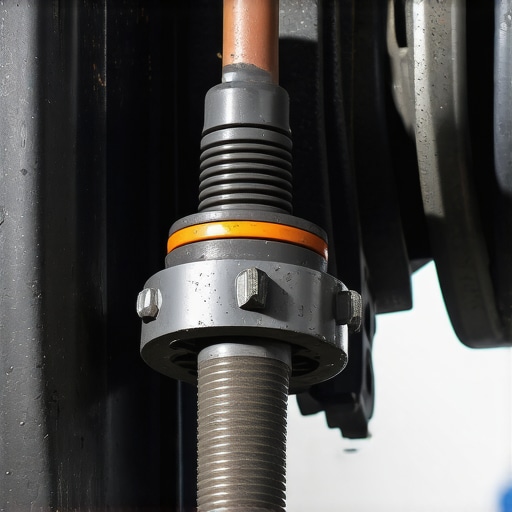
Identify the ball joint connecting the control arm to the steering knuckle. It usually looks like a round ball enclosed in a socket with a rubber boot.
Check for Signs of Wear
Use a pry bar to gently move the control arm and observe how the ball joint responds. Excessive play, movement, or a loose fit signals wear. Also, inspect the rubber boot for cracks, tears, or grease leaks—these are signs of impending failure.
Micro-Story: Once I found a worn ball joint in my own car, with the boot torn and grease escaping. A quick test with a pry bar revealed about 1/4 inch of lateral play, confirming the need for replacement before it caused more serious issues.
Replacing the Ball Joint
If your vehicle uses a press-in ball joint, you’ll need a ball joint press kit. For bolt-on types, remove the retaining clips and bolts using the socket set and breaker bar.
Removing the Old Ball Joint
Disconnect the tie rod end if necessary for better access. Remove any cotter pins, nuts, or retaining clips securing the ball joint. Use the appropriate tools to press out or unbolt the failed component carefully.
Installing the New Ball Joint
Compare the new part with the old to ensure correct fit. Press or bolt the new ball joint into position, following the manufacturer’s torque specifications. Reassemble the components in reverse order, tightening all nuts and bolts securely.
Final Checks and Testing
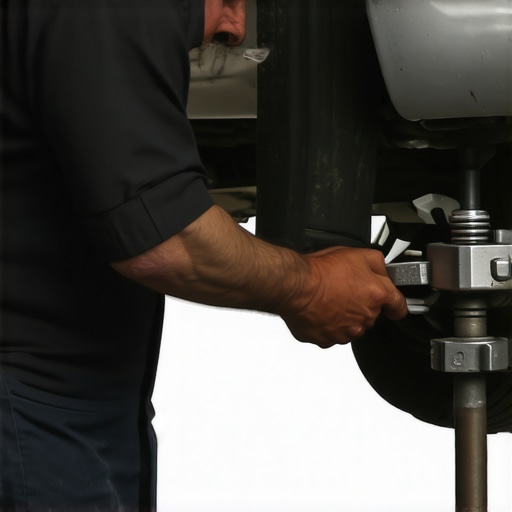
Reinstall the wheel and tighten the lug nuts in a star pattern to the specified torque. Lower the vehicle carefully onto the ground and double-check all fasteners. Take the car for a short test drive, noting any unusual noise or handling issues. Regularly inspecting your suspension can prevent costly repairs and enhance safety—learn more about other maintenance tips at this comprehensive car service checklist.
When it comes to auto repair and maintenance, many car owners operate under misconceptions that can lead to costly mistakes. One common myth is that the cheapest oil or parts are always the best choice; in reality, quality components often save money long-term by enhancing performance and durability. Also, there’s a tendency to believe that traditional maintenance schedules are enough, but recent studies suggest that personalized service intervals based on driving habits are more effective—see this trend analysis for 2025. A critical nuance many overlook is the significance of accurately diagnosing symptoms before jumping into repairs. For example, a noisy brake pedal doesn’t necessarily mean new pads; it might be a fluid leak or air in the system, errors often made by owners unaware of the complex brake system mechanics.
How can you tell if you’re misdiagnosing common repairs?
Expert inspection often reveals that symptoms mimic multiple issues, and applying the wrong fix can accelerate wear or cause damage—learning to interpret subtle cues is essential.
The ‘oops’ factor here is leaning on quick fixes or relying solely on a mechanic’s diagnosis without understanding the root cause. For instance, a worn-out serpentine belt might be blamed for a squealing noise, but some cases stem from misaligned pulleys or tensioner issues, which require different treatments. Delaying the thorough diagnosis can result in the belt snapping unexpectedly, leaving you stranded. To avoid this trap, regular comprehensive checks are advised—more tips available in our ultimate car service guide.
Advanced car maintenance demands awareness of nuanced principles, such as the impact of engineered tolerances and material compatibility when replacing parts. For example, using incompatible brake pads can drastically reduce their lifespan and diminish braking efficiency, which is why understanding OEM specifications is crucial—see this brake system repair guide. Recognizing these subtleties can prevent repeat repairs and enhance safety.
Have you ever fallen into this trap? Let me know in the comments.Maintaining your vehicle’s health over time requires more than just replacing parts when they break; it demands a strategic approach using reliable tools and proven methods. One of my go-to devices is the **Digital Torque Wrench**—I swear by the **GearWrench Electronic Torque Wrench** because it ensures fast, precise tightening that prevents over-tightening or under-tightening, both of which can lead to premature wear. Additionally, I utilize **OBD-II scanner software** like **AutoEnginuity** to monitor engine diagnostics proactively, spotting potential issues before they escalate. Future trends point towards integrating **machine learning-based diagnostic tools** that analyze driving patterns and sensor data to recommend maintenance precisely when needed, rather than relying on fixed schedules.
How do I maintain long-term performance and avoid costly repairs? Regular **visual inspections** are essential; I check belts, hoses, and fluid levels every 3,000 miles and document findings. An **organized garage setup** with dedicated sections for each tool accelerates these checks—nothing beats the efficiency of clearly labeled drawers for sockets, wrenches, and specialized tools. For brake maintenance, I recommend the **Mityvac Brake Bleeding Kit**—it’s portable, easy to use, and ensures your brake fluid remains at optimal levels, preventing pedal pulsation and brake fade.
Speaking of tools, having a **suspension spring compressor** from **Lisle** on hand allows safe replacement of struts and springs, minimizing risk and saving money on shop labor. I’ve found that investing in high-quality tools pays off when routine maintenance becomes quicker and safer. In the long run, this proactive upkeep saves you from emergencies and major repairs.
Looking ahead, the role of **predictive maintenance algorithms** integrated into vehicle systems will become mainstream, enabling cars to alert owners about specific component deterioration weeks before failure, based on usage patterns and sensor data. This shift will make maintenance even smarter and more tailored.
To make these benefits tangible, I suggest trying the **lubrication of suspension points using a PTFE-based lubricant**—like **Maxima PTFE Spray**—which I use before winter to reduce squeaks and protect against corrosion. This small step enhances longevity and helps maintain ride quality. Regularly employing advanced tools and methods ensures your vehicle remains reliable and safe, saving you money and stress.
For more expert tips on keeping your car performing at its best, visit our comprehensive maintenance guide. Remember, the right tools combined with consistent care keep your vehicle working smoothly for years to come.
Over the years, I’ve learned that auto maintenance isn’t just about fixing problems—it’s about understanding your vehicle’s subtle signals and acting on them before they escalate. One of the most impactful lessons came from a tiny squeak in my wheel that I ignored, only to find myself stranded hours later. That experience drove home the importance of listening closely to our cars.
Uncover My Biggest Eye-Opener About Car Care
- Don’t dismiss small signs: Those minor noises or vibrations often hint at deeper issues. Addressing them early can save you hundreds in repair costs and keep you safe on the road.
- Skimping on quality parts isn’t worth it: I once believed a cheaper ball joint would do the job—until it failed prematurely. Investing in OEM or premium components ensures longevity and peace of mind.
- Regular inspections trump reactive fixes: Routine checks of suspension and steering components can reveal wear before it turns into a dangerous problem. Think of it as giving your vehicle a health check-up every few months.
Tools and Resources That Have Transformed My Maintenance Routine
- Digital Torque Wrench: Ensures bolts are tightened to the correct specifications, preventing over-torquing or under-tightening that can cause damage.
- OBD-II Scanner Software: Allows me to monitor engine health in real-time, catching issues early and understanding what my vehicle is telling me.
- Reliable Repair Guides: Websites like this comprehensive car service checklist have empowered me to perform many maintenance tasks myself, saving costs and building confidence.
Keep Your Vehicle Powering Forward with Confidence
Auto care is a journey—continuous learning, proactive habits, and trustworthy tools make all the difference. Start paying attention to those early signals today, and your future self will thank you for it. Remember, a well-maintained car isn’t just about avoiding breakdowns; it’s about enjoying peace of mind on every trip. What small maintenance step has made the biggest difference for you? Share your experience below—I’d love to hear your story.