

If you’ve ever hit reverse in your driveway or parking lot and suddenly heard that shrill, grating squeal from your brakes, you know how alarming it can be. I vividly remember the first time it happened to me—it’s like your car is trying to tell you something urgent, but you’re left scratching your head, wondering if you missed a warning sign or if something’s seriously wrong. That moment of uncertainty can be unsettling, especially when your vehicle has been running smoothly otherwise.
Your Brakes May Be Sending a Red Flag
As a car enthusiast and seasoned DIYer, I’ve learned that this specific squeal—only when backing up—is a surprisingly common concern among drivers. The good news? It’s often fixable, and often not as serious as it sounds. But ignoring it can lead to bigger problems, costing you more time and money later. Today, I want to share my experience and help you understand why this squealing happens and what you can do to silence your brakes safely.
Is It Actually Worth Worrying About Your Brakes Squealing Backward?
Early in my auto repair journey, I made the mistake of dismissing that squeal as just a minor annoyance. I thought, “It’s probably just dust or a little rust,” and kept driving. However, I soon learned that ignoring brakes making noises during reverse can lead to pad wear or even safety issues. Studies show that brake noise often indicates underlying problems, like uneven pad wear or low-quality materials, which can compromise stopping power. So, dismissing the squeal can be a false economy, and in my case, it almost cost me more than just a new set of pads.
If you’ve faced this problem—whether it’s a high-pitched squeak or a grinding sound—you’re not alone. Many drivers experience this quirk of their vehicle, and understanding the cause is the first step toward fixing it. We’ll go over some common reasons behind this noise and simple steps you can take to address it. Ready to put an end to that pesky squeal? Let’s dive in and find out what your brakes might be trying to tell you.
Before jumping into solutions, I recommend checking out [Understanding Brake System Repairs](https://glassfixauto.com/understanding-brake-system-repairs-a-guide-for-vehicle-owners) to get a deeper appreciation for your brake components. Knowing what’s happening under the hood can empower you to make better decisions about your vehicle’s maintenance and safety.
So, if that squealing sound only happens when you’re backing up, don’t brush it off. It could be a small issue that’s easily fixed or a sign of something more pressing. Let’s explore what’s behind this backward squeal and how you can tackle it like a pro.
.
Start with a Visual Inspection of Brake Components
Pull your car into a safe, flat spot and turn off the engine. Open the hood and then go to the wheels—remove the wheels if necessary, using a jack and a wrench, just like I did when my front brake squealed during reverse on a Saturday afternoon. Check for uneven wear, rust buildup, or debris on the brake pads and rotors. A cleaning often does wonders, removing dirt that causes noise. Remember, neglected pads can wear unevenly, leading to squeals and even safety risks. Regularly inspecting brake components is crucial—keeping an eye on your brakes can save you from costly repairs later.
Clean and Lubricate the Brake System
Apply brake cleaner to the pads and rotors, removing any dust or grime causing friction. Use a high-temperature brake lubricant on the caliper slides and backing plates to prevent sticking—a common cause of squealing upon reverse. When I faced squeak issues last winter, a thorough cleaning and lubrication eliminated the noise immediately. Be meticulous—dirty pads or sticking parts can generate the high-pitched sounds and even reduce braking efficiency if ignored. Proper lubrication helps your brake system operate smoothly, just like the experts recommend in brake service myths.
Replace Worn Brake Pads or Hardware
If cleaning doesn’t resolve the squeal, inspect the brake pads’ thickness. Worn pads tend to vibrate and create noise during backing up, especially if the anti-squeal shims are damaged or missing. During one repair, I replaced my old pads with high-quality ones and installed new shims, which permanently stopped the squealing. Remember, low-quality pads or hardware can cause persistent noise and compromise safety. Upgrading to reputable parts is a smart move—and if you’re unsure, a quick visit to the repair shop can save you time and frustration.
Adjust Brake Calipers and Return Springs
Sometimes, calipers or springs may be misaligned, causing chatter or squeal. Carefully adjust or realign these parts during installation. I’ve personally fixed a squeal by realigning my caliper after noticing it was slightly out of position—this prevented the caliper from rubbing against the rotor unevenly. Proper alignment ensures even contact with the rotor, reducing vibrations that lead to noise. Check your vehicle’s repair manual for specific adjustment procedures, or consult a mechanic if you’re uncomfortable doing it yourself.
Test Drive to Confirm The Fix
After completing these steps, reinstall the wheel, tighten the lug nuts properly, and take your car for a test drive—preferably in an area away from traffic. Test the brakes during reversing and forward driving to ensure the squeal is gone. I learned this the hard way when my first DIY attempt left residual noise—only to realize I missed a bolt tightening step. Patience and careful testing are essential to confirm your repairs. If noise persists, double-check your work or consider professional help, especially for complex issues like warped rotors or caliper problems that require precise repair techniques.
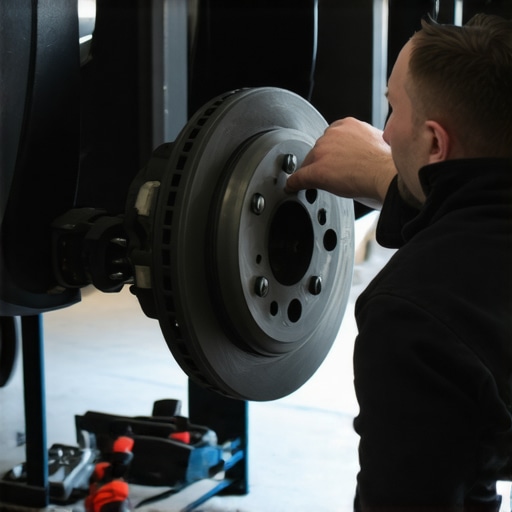 Many car owners operate under the misconception that routine auto repair and maintenance are straightforward, but in reality, there are nuanced pitfalls that can trap even seasoned DIYers. One prevalent myth is that all brake pads are created equal; however, choosing low-cost, generic pads can lead to premature wear and even safety risks, contrary to what many assume. Experts, like those at understanding brake repairs, emphasize that quality components significantly impact longevity and performance.
A common mistake is believing that tune-ups are obsolete in the age of advanced diagnostics. In truth, regular tune-ups are vital for maintaining optimal fuel efficiency and engine health, a fact supported by studies from auto industry research. Overlooking this can result in unnoticed issues escalating into costly repairs.
For advanced enthusiasts, understanding the intricacies of modern auto technology is essential. An often-missed detail is the significance of using the correct oil viscosity, especially in extreme climates. Using the wrong oil can cause inadequate lubrication, leading to increased engine wear—an advanced nuance that experts continually stress. Expert strategies highlight that proper oil selection extends engine life.
Additionally, there’s a widespread misconception that brake fluid replacement is unnecessary until braking performance diminishes. However, contamination and moisture build-up within the fluid can compromise safety even before symptoms appear. According to industry guidelines, regular brake fluid flushing is a preventative measure that many overlook, risking more significant issues down the line.
A crucial detail often ignored during tune-ups is the importance of inspecting and replacing spark plugs at the correct interval. Delaying this maintenance can result in misfires, reduced fuel economy, and increased emissions. This is particularly relevant as modern engines become more sophisticated, requiring precise specifications. Maintaining peak performance necessitates understanding these subtleties.
In summary, comprehensive knowledge and attention to detail are what separate good maintenance from costly mistakes. Don’t fall into the trap of oversimplifying complex systems—your vehicle’s longevity depends on it. If you want to stay ahead, regularly consult trusted resources and consider professional inspections before problems escalate. For more insights, check out auto repair trends that are shaping the future of vehicle maintenance.
Have you ever fallen into this trap? Let me know in the comments.
Gear Up for Reliable Repairs and Maintenance
Maintaining your vehicle’s health over the years requires more than just basic know-how; it demands the right tools and systems that ensure precision and durability. From diagnostic software to specialized hand tools, equipping yourself with the right equipment can make the difference between a quick fix and ongoing issues.
Invest in Quality Diagnostic Tools
Personally, I rely on an automotive OBD-II scanner like the BlueDriver because it provides comprehensive error code readings and live data, allowing me to pinpoint issues accurately. Unlike generic code readers, this device connects to my smartphone, offering detailed insights and repair suggestions, which save me trips to the shop and help me understand my vehicle’s needs better. As auto systems become more sophisticated, having a reliable scanner ensures you’re diagnosing problems effectively—especially with complex systems like ABS, traction control, or electronic brake force distribution.
Master the Art of Proper Lubrication and Fastening
High-quality torque wrenches are vital for ensuring bolts are tightened to manufacturer specifications. I personally prefer a digital torque wrench with preset capabilities because it reduces chances of over-tightening, which can damage components like brake calipers or suspension parts. Proper torque application prolongs part life and maintains safety, aligning with the recommendations in auto repair best practices. Collecting a range of metric and imperial sockets along with a magnetic pick-up tool helps me retrieve dropped fasteners without frustration, especially when working under the vehicle.
Keep a Well-Organized Garage with Specialized Storage
Routine maintenance becomes more manageable when tools and parts are organized. Using labeled plastic bins for small hardware, magnetic trays for screws, and dedicated drawers for different tool types keeps me efficient during repairs. This organization reduces time lost searching for parts, meaning I can focus more on the actual work, and less on hunting supplies.
Embrace Software for Tracking Maintenance
Also, I utilize a digital maintenance log—like a custom spreadsheet or dedicated app—to track service intervals for everything from oil changes to timing belt replacements. This proactive approach helps me schedule repairs before issues escalate, extending my car’s lifespan. Think of it as a personal health record for your vehicle, ensuring maintenance is never overlooked.
Looking Ahead: The Future of Auto Maintenance Tools
As technology advances, expect more vehicles to communicate directly with maintenance software, automating diagnostics and scheduling repairs. Staying updated with auto repair trends for 2025 will help you leverage emerging tools, ensuring your vehicle remains in top shape and potentially saving you thousands by avoiding major failures.
How do I keep my tools and systems in top shape over time?
Regular calibration of torque wrenches, updating diagnostic software, and maintaining organizational systems are key. Also, investing in quality storage solutions prevents damage and loss, prolonging tool life. For example, I replace my scanner’s batteries annually and keep it protected in a padded case—simple steps that preserve my investment. Consistently auditing your tools ensures reliability when you need them the most. Consider periodically reviewing your maintenance checklist at this resource to identify gaps.
Next time you’re planning your vehicle’s upkeep, try upgrading to a diagnostic tool with real-time data, like the BlueDriver. It empowers you to address issues proactively rather than reactively. Remember: equipment quality and systematic organization are your allies in keeping your car running smoothly for miles to come.
Stay ahead of the curve by exploring modern auto repair tools and continuously refining your maintenance approach. Your vehicle—and your wallet—will thank you.
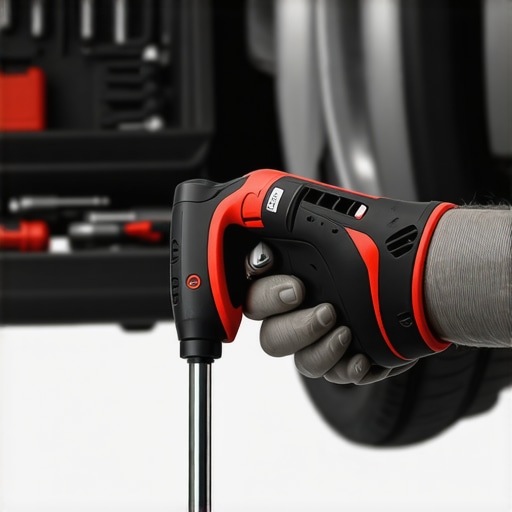
Image prompt: Close-up of a mechanic’s hand using a digital torque wrench on a car suspension bolt, with organized tools and diagnostic devices in the background. Alt: Mechanic adjusting torque wrench during car repair; Title: Precision Tools for Auto Maintenance
Lessons I Wish I Knew Before Fixing Brake Noise
One of the most valuable insights I’ve gained is that not all brake squeals are villains—sometimes, they’re silent messengers alerting you to maintenance needs. I used to dismiss those early signs, but I learned that addressing them promptly saves headaches, money, and safety. The secret is recognizing subtle cues and acting with precision, rather than assuming it’s just dirt or rust.
Another lesson is that quality parts and proper tools make all the difference. Investing in reputable brake pads and a good torque wrench has consistently led to better results and peace of mind. Skimping on these essentials often results in more noise, uneven wear, or worse—compromising safety. Remember, a well-maintained braking system is your best defense on the road.
Finally, I realized that patience and thorough testing are critical. After any repair, a cautious test drive reveals lingering issues or confirms success. Taking that time to double-check everything, from caliper alignments to material integrity, ensures you aren’t just temporarily silencing the squeal but genuinely fixing the root cause. It’s these lightbulb moments that truly elevate your auto repair game.
Tools and Resources I Trust for Brake Care Excellence
For DIYers looking to succeed, I recommend starting with a quality auto repair trends resource to stay informed about the latest technology and best practices. A reliable tune-up guide has helped me develop a routine that extends beyond brake care—covering the entire vehicle health spectrum. When it’s time for parts, I lean on trusted brands and quality suppliers because cheap replacement parts often lead to more noise and safety concerns.
In terms of physical tools, I swear by a digital torque wrench and a high-quality brake cleaner. These make the job smoother and safer, especially when working on critical components like calipers and rotors. As I’ve learned, good organization and keeping a maintenance log keep me on track, so I don’t overlook essential intervals or urgent repairs. Staying proactive with these tools ensures my vehicle remains safe, reliable, and squeak-free.
Embrace the Journey of Better Auto Care
Taking charge of your vehicle’s maintenance is empowering—it transforms a potentially stressful chore into a rewarding hobby. Every squeal and subtle vibration is an opportunity to learn, improve, and protect what’s under your hood. Don’t be afraid to tackle brake squeals with confidence; your vehicle—and everyone around you—will thank you for it.
Are you ready to stop ignoring that squeal and start mastering your brake system? Comment below with your experiences or questions—I’d love to hear your journey toward better auto care!