
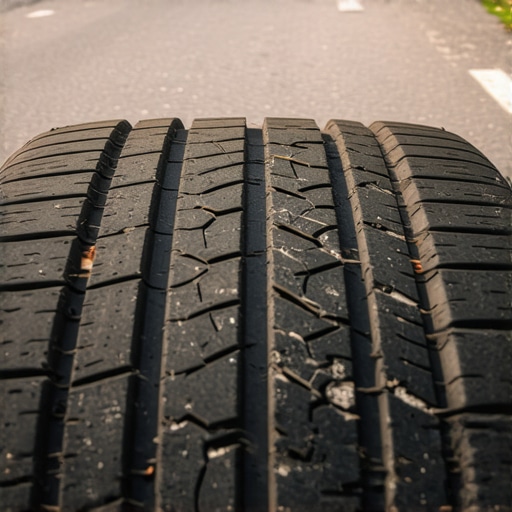
It was a scorching summer afternoon when I heard that unsettling thump from my rear tire. My stomach sank as I realized I’d ignored that slow leak for weeks, assuming it was just a bit of road grime. But that day, I learned the hard way why dry-rot on tires isn’t just a minor inconvenience—it’s a potential disaster waiting to happen. That experience woke me up to the importance of recognizing early signs of tire deterioration before they turn into costly and dangerous blowouts on the highway. Today, I want to share my journey and what I’ve learned about identifying dry-rotted tires in their infancy.
Why You Need to Keep an Eye on Your Tires’ Health
Your tires are the only contact point between your car and the road. When they’re compromised, so is your safety. Dry-rotting begins quietly—cracks appear in the rubber, often hidden from plain sight. If left unchecked, these cracks can deepen and cause tire failure without warning. Not only does this jeopardize your safety, but it can also lead to expensive repairs or replacements. According to the Rubber Manufacturers Association, neglecting tire maintenance accounts for a significant number of roadside emergencies each year.
Early detection can save you from roadside panic and hefty bills. It’s not just about looking for obvious damage; it’s about understanding what’s normal and spotting the subtle signs that indicate trouble brewing. Have you ever driven on a seemingly fine tire only to experience a sudden blowout? That’s exactly what I’m aiming to help you avoid.
In my early days of auto maintenance, I made the mistake of ignoring small cracks on my tires, thinking they were superficial. That was a mistake. By the time I realized they were deep enough to threaten the integrity of the tire, it was too late. That’s why I’ve made it my mission to learn and teach others how to spot these dangers early.
Today, we’ll cover practical ways to diagnose your tires and ensure they’re safe for every journey. But before diving into the inspection tips, let’s address a common skepticism I’ve heard from many drivers—”Are dry-rotted tires really that dangerous?” Stay tuned, because the answer might surprise you.
Check for Cracks and Surface Damage
Start by inspecting your tires when they are cool and parked in a well-lit area. Look closely at the sidewalls and tread surface for visible cracks, which are a hallmark of dry rot. I once found tiny fissures on my rear tires during a routine check, which looked harmless at first—like tiny lines on rubber. However, upon closer examination, these cracks were deep enough to compromise the tire’s integrity, prompting me to replace them immediately.
Feel for Rubbery Hardness and Unusual Texture
Press firmly on the tire surface with your fingertips. A healthy tire should be firm but pliable. If the rubber feels excessively hard or brittle, it’s a sign of drying out. I remember the time I gently squeezed my front tires and noticed them cracking slightly under pressure. That tactile feedback alerted me to their deteriorating condition, even before visible damage appeared.
Evaluate Tread Depth and Uniform Wear Patterns
Use a tread depth gauge or a penny to measure tread remaining. Uneven or shallow tread depths can be a sign of dry rot or other issues. In my case, I noticed sections of uneven wear after a few months, which made me suspect more than just driving habits. Combining tread inspection with surface checks provided a comprehensive view of the tires’ health.
Assess the Age of Your Tires
Check the manufacturing date stamped on the sidewall, usually in the four-digit DOT code indicating the week and year. Tires over six years old are at higher risk of dry rot. When my tires reached their 7th year, I could feel the rubber’s brittleness increasing, even though they hadn’t yet shown cracks. Replacing old tires proactively can prevent dangerous blowouts.
Perform a Sound Test for Crunchy or Grating Noises
Gently tap the tire surface with a small rubber mallet or your knuckles. A dull or crunchy sound indicates dry, brittle rubber, whereas a healthy tire produces a solid sound. During my DIY inspection, I noticed a faint crunching in one tire, which led me to replace all four to ensure safety. This simple test provides immediate clues about rubber condition without needing specialized tools.
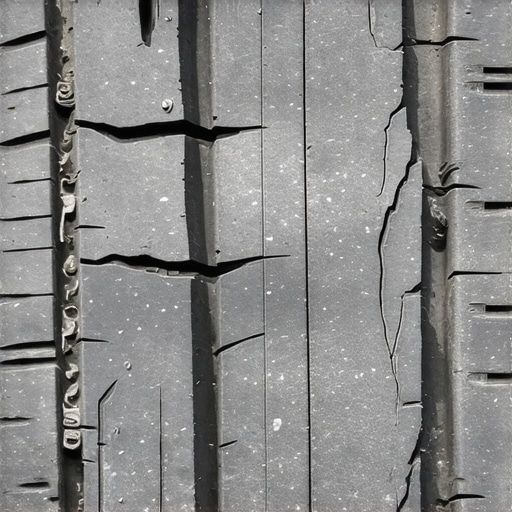
Remember, these visual and tactile checks are vital—don’t wait for a blowout to realize your tires are past their prime. Regular inspections and proactive replacement of aging tires are your best defense against roadside emergencies. If you’re unsure or want a professional opinion, consider https://glassfixauto.com/contact-us to get an expert assessment.
While many car owners remain confident about the basics of vehicle maintenance, there’s a plethora of misconceptions that can lead to costly mistakes. One prevalent myth is believing that a simple oil change or routine inspection suffices for all repairs. In reality, modern vehicles demand a nuanced approach, accounting for driving habits and technological updates. For example, many think that replacing brake pads with generic parts is adequate, but the quality and compatibility significantly impact safety and longevity. It’s crucial to understand that not all parts are created equal, and opting for OEM or high-quality alternatives can save money in the long run. Additionally, some assume that quick fixes can resolve issues like transmission slipping or engine misfires; however, these problems often require comprehensive diagnostics to prevent recurring failures. Overlooking these details can lead to *Maintaining a vehicle for the long haul requires more than just basic knowledge; it calls for the right tools, a disciplined approach, and understanding the evolving landscape of auto repair. Over the years, I’ve refined my toolkit to include specialized equipment that ensures my car stays reliable, safe, and efficient. One indispensable tool I’ve personally relied on is a high-precision OBD-II scanner. Unlike generic models, my diagnostic scanner provides comprehensive live data and can pinpoint the exact causes of engine or sensor issues, saving me time and money. For instance, when my check engine light flickered unexpectedly, the scanner identified a failing oxygen sensor early, allowing me to replace it before catalyzing more costly damage.
What I Wish I Knew Sooner About Tire Age and Condition
One of the most eye-opening lessons I learned was the significance of knowing your tire’s age. Many drivers overlook the DOT date, assuming that as long as a tire looks fine, it’s safe. But age is a silent factor that affects rubber elasticity and crack formation. Replacing tires proactively, especially after the six-year mark, can save lives and money, preventing blowouts during critical moments.
Secrets That Save You Time and Money on Auto Repairs
Having a well-stocked toolkit and understanding basic diagnostics, like using a multimeter or performing visual inspections, have been invaluable in my journey. Knowing where to find reliable resources, such as auto repair trends and trusted guides, ensures I stay ahead of issues without always rushing to the mechanic. Personal experience has shown me that being informed reduces costs and stress significantly.
Trust Your Instinct and Don’t Ignore Tiny Cracks
The moment I noticed tiny cracks in my tires, I hesitated—thinking they were superficial. But my instincts told me otherwise, and I decided to replace them. That decision probably prevented a dangerous blowout. Accepting that small signs can be warning signals is crucial; it’s better to be cautious than risk emergency brake-downs or accidents.