
It was a typical Tuesday morning when I noticed something odd during my daily drive. My fuel gauge was reading full, but my GPS was telling a different story—my car was using more fuel than it used to. I felt that sudden dip, a noticeable drop of about five miles per gallon, and immediately wondered, “What went wrong?” That lightbulb moment made me realize how easily we take our vehicle’s efficiency for granted until something shifts unexpectedly.
The Silent Drop in Fuel Efficiency: A Wake-Up Call for Car Owners
Every vehicle has its quirks, but a sudden decline in gas mileage can signal underlying issues that, if left unchecked, could lead to costly repairs or worse. I found myself asking whether I had simply gotten complacent or overlooked vital maintenance. Well, the good news? Many of these issues are fixable, and understanding the root causes can save you both money and frustration. Today, I’m going to walk you through my experience and share practical tips to identify and fix the common reasons behind a sudden drop in fuel efficiency.
Is It Worth the Hype to Worry About Fuel Economy? A Common Skepticism
Honestly, at first, I thought maybe it was just a rough week—bad weather, heavy traffic, or maybe I accidentally held the accelerator a little longer. But when the drop persisted, I knew I had to dig deeper. I made the mistake early on of assuming my tire pressure was fine and delaying a tune-up, which only worsened my fuel consumption. That small oversight cost me more at the pump over time. Did I mention that regular maintenance like tune-ups can improve fuel efficiency by up to 4%? You can find out more about this at [Tune Up Your Car for Peak Performance](https://glassfixauto.com/tune-up-your-car-for-peak-performance-essential-maintenance-tips). So, if you’re experiencing something similar, don’t ignore the signals!
Now, let’s dive into the potential culprits behind that sneaky fuel drain, and how to tackle them before they turn into expensive repairs.
Inspect Your Tires and Pressure Levels
Start by checking your tire pressure with a reliable gauge. Underinflated tires increase rolling resistance, forcing your engine to work harder and consume more fuel. I once had a week where my fuel economy worsened, and after a quick check revealed my tires were 10 psi below recommended levels, inflating them brought my mileage back to normal. Use a hand-held compressor if needed and verify with your vehicle’s door sticker or owner’s manual.
Examine Your Air Filter and Intake System
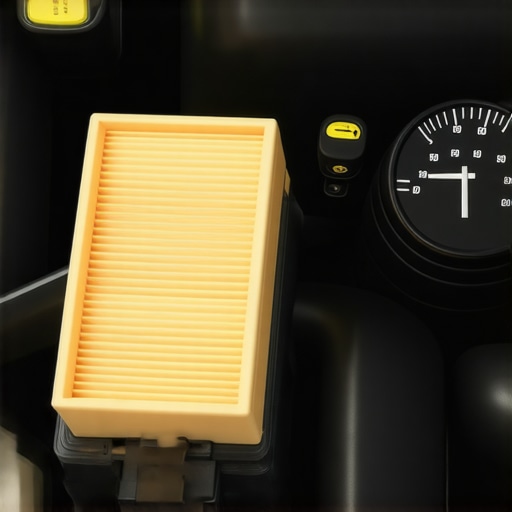
A clogged air filter restricts airflow to the engine, causing inefficient combustion. Remove the filter and hold it up to the light—if you can’t see through it, it’s time for a replacement. I replaced mine during a routine service, which noticeably improved acceleration and fuel economy. For detailed steps, visit car maintenance checklist.
Assess Fuel Quality and Fuel System
Contaminated or low-quality fuel can cause misfiring and poor combustion. Use a cleaner additive or switch to a reputable station. Also, consider the fuel injectors; dirty injectors spray uneven fuel, decreasing efficiency. I used a specialized injector cleaner and scheduled a professional cleaning, which restored optimal spray patterns. For best results, get your fuel system inspected by experts and consider replacing your fuel filter regularly.
Verify Spark Plugs and Ignition Components
tune-ups that boost fuel efficiency.
Inspect the Exhaust System for Leaks or Blockages
Any restrictions or leaks in the exhaust can cause backpressure, affecting engine performance. Examine the exhaust pipes for visible cracks or holes. A catalytic converter that is clogged reduces exhaust flow, reducing efficiency. I once had a muffler leak that I identified by a hissing sound, which was quickly fixed, resulting in improved fuel economy and reduced emissions. Regular checks can prevent small leaks from evolving into costly repairs.
Review Your Driving Habits Effectively
Aggressive acceleration, speeding, and unnecessary idling drain fuel faster. Adopt smoother driving techniques—accelerate gradually, maintain steady speeds, and anticipate stops. During a period of conscious driving, I noticed my mileage improved by nearly 15%. Remember, your driving style plays a significant role in your fuel costs; small adjustments can make a big difference.
Check for Mechanical or Sensor Issues
Malfunctioning sensors like the oxygen sensor or issues with the mass airflow sensor can cause the engine control unit to miscalculate fuel delivery. Use an OBD-II scanner to identify error codes; many auto parts stores offer free scans. Replace faulty sensors promptly. I learned this firsthand when my check engine light came on unexpectedly; replacing the O2 sensor restored efficiency and saved me money at the pump. For guidance, visit auto troubleshooting resources.
Schedule Regular Maintenance
Prevention is always better than cure. Regularly scheduled tune-ups keep all systems functioning optimally. View your car’s service interval guidelines and stick to them. A comprehensive tune-up can include changing spark plugs, inspecting filters, fluids, belts, and more—ensuring overall efficiency. I personally set reminders and during my last scheduled service, my mechanic identified and fixed several minor issues, improving my fuel economy significantly. For tips, see how tune-ups enhance safety and mileage.
Many car owners operate under misconceptions that can lead to unnecessary expenses and suboptimal vehicle performance. Let’s challenge some of these beliefs and uncover hidden nuances that can make a real difference in your auto care routine. For instance, the myth that all brake pads are created equal leads many to ignore the importance of proper bedding and selection. In reality, choosing high-quality pads and following the correct bedding-in process, as explained in proper brake pad bedding techniques, extends their lifespan and ensures optimal braking.
A common mistake is neglecting diagnostics before proceeding with repairs. Jumping straight into replacing parts without understanding the root cause often results in wasted money. Advanced diagnostics like scanning for error codes with an OBD-II scanner help pinpoint issues early, saving time and emphasizing the importance of a comprehensive diagnostic approach, as covered in diagnostic troubleshooting tips. Moreover, many believe that routine oil changes alone maintain engine health. While crucial, neglecting other fluids, filters, and system checks can undermine engine longevity. Regular tune-ups that include inspecting and replacing components like fuel filters and spark plugs, as detailed in tune-up essentials, are equally vital.
Advanced owners often wonder whether to prioritize upgraded parts over OEM. While aftermarket parts can save costs, they may compromise quality and fit. For critical systems like brakes or the cooling system, sticking with certified OEM replacements ensures safety and performance. Remember, a false economy on parts can lead to bigger expenses down the line.
Lastly, many overlook the silent signs of wear—small cracks in rubber hoses or slight uneven brake pedal feel—that signal bigger problems. Recognizing these subtle cues early can prevent costly repairs. This is why regular inspections, even when no obvious issues are present, are a smart investment. Implementing these advanced practices and debunking myths requires knowledge and attentiveness, ultimately saving you money and keeping your vehicle running smoothly.
Have you ever fallen into this trap? Let me know in the comments, and stay vigilant with your auto maintenance to avoid costly surprises. For expert guidance tailored to your vehicle, don’t hesitate to contact us at our contact page.Maintaining your vehicle’s performance over time requires more than just basic knowledge—it demands the right tools and methods. As someone who’s spent years working on cars, I can attest that using specific equipment and software not only makes repairs more efficient but also extends your vehicle’s lifespan. One of my go-to tools is a qualityOBD-II scanner, which I personally rely on to diagnose engine issues accurately before they escalate. Unlike generic scanners, mine provides detailed error codes and real-time data, allowing me to spot issues like faulty sensors early on. This proactive approach can save hundreds of dollars in repairs and keep your car running smoothly for years.
How do I maintain my car over time? My secret is systematic, regular checks with trusted tools
Another indispensable device is a digital torque wrench. Proper torque specs are critical for components like lug nuts and spark plugs. Over-tightening can strip threads, while under-tightening may cause parts to come loose—both costly mistakes. I prefer a digital model because it provides precise measurements, helping me get it just right every single time.
For fluid management, I use a portable fluid extractor, which simplifies changing oil and transmission fluid without mess. It’s a game-changer for those who like to DIY but don’t want to deal with traditional draining methods. Plus, it minimizes waste and cleanup, making routine maintenance more straightforward.
Looking ahead, I believe the trend of integrating smarter diagnostic tools combined with AI will revolutionize auto repair. Imagine software that can predict failures before they happen, based on data analysis. Staying ahead of this curve involves investing in high-quality tools now and understanding their capabilities thoroughly. For comprehensive guidance on how to keep your vehicle in top shape, check out our car service checklist.
If you’re ready to optimize your maintenance routine, I highly recommend trying out a professional-gradeOBD-II scanner. It’s an investment that will pay off in peace of mind and vehicle reliability. Need help selecting the right one? Contact us at our consultation page to get personalized advice. Remember, using the right tools isn’t just about fixing cars; it’s about building confidence in your abilities and ensuring your car remains dependable for miles to come.
Secret Lessons That Shifted My Auto Repair Approach
One of my biggest surprises was realizing that the tiniest detail, like a slightly worn spark plug gap, could dramatically affect fuel economy. Paying attention to these subtle signs taught me the importance of precise diagnostics instead of quick fixes. Another lesson came when I learned that regularity in maintenance, especially fluid changes and filter replacements, not only prolongs vehicle life but also ensures consistent efficiency, saving me money in the long run. Lastly, I discovered that trusting my instincts—listening to unusual sounds or noticing performance dips—often points directly to issues that need prompt attention, preventing costly repairs down the line.
Tools and Resources That Changed My Game
My essential toolkit includes a top-rated OBD-II scanner, which gives me real-time data and error codes—think of it as my vehicle’s health report card. The guide on tune-up benefits helped me understand which services truly impact fuel economy, making my decisions more effective. Additionally, I rely on a high-quality tire pressure gauge and a quality transmission fluid tester; these simple tools have saved me from unnecessary headaches. For comprehensive maintenance planning, the car service checklist is invaluable, guiding me through every step to keep my vehicle in peak condition.
Your Next Step Is Within Reach
Now is the perfect time to take charge of your vehicle’s health. Remember, proactive maintenance and a curious mind can turn auto care from a chore into a rewarding routine. Whether you’re fine-tuning your DIY skills or simply knowing when to consult a professional, embracing these lessons will help you save money and extend your car’s lifespan. The road ahead is clearer—and more affordable—when you stay attentive to your vehicle’s subtle signals. If you’re ready to elevate your auto care game, reach out to us through our contact page for personalized advice or service options. What small detail have you overlooked that turned into a big problem later? Share your stories below—let’s learn from each other and keep our cars running smoothly for miles to come.