
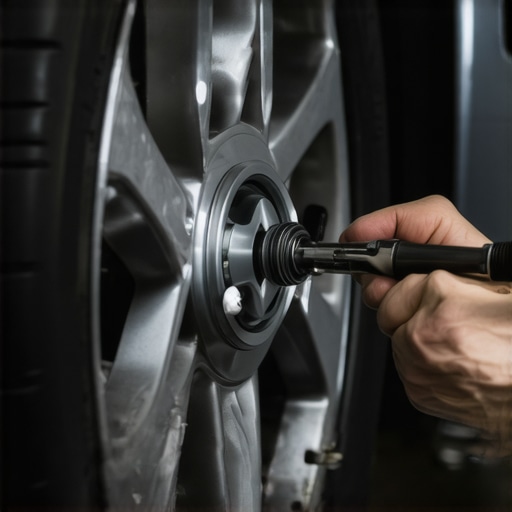
Ever been driving down the street, feeling confident behind the wheel, when suddenly you hear a strange growl or rhythmic squeal coming from your tires? That moment of dread when you realize something’s not quite right with your car can be unsettling. I remember my own lightbulb moment—initially dismissing it as road noise or maybe a loose hubcap, only to discover it was a failing wheel bearing that needed urgent attention. That experience taught me how critical it is to recognize the telltale sounds of a worn wheel bearing before it turns into a costly repair or, worse, a dangerous situation.
Today, I want to share with you how I learned to spot these issues just by listening—no fancy tools or trips to the mechanic needed. We’ll explore how to identify the subtle (and not so subtle) sounds that indicate your wheel bearing might be on its last legs. Trust me, catching these signs early can save you a lot of money and hassle down the road.
Why Listening Carefully Can Save Your Drive
Your car’s wheel bearings are silent guardians that keep your wheels spinning smoothly. But when they start to fail, the warning signs are more audible than you might think. Recognizing these sounds early can be the difference between a simple repair and a catastrophic failure that could leave you stranded or, worse, cause an accident. It’s astonishing to learn that many drivers don’t realize their wheel bearings are failing until they exhibit critical symptoms—by then, damage might already be done.
Early detection is all about paying attention. Have you ever noticed an unusual sound that comes and goes? Maybe a metallic grind or a rhythmic rumble that speeds up with your vehicle? These are classic clues. By understanding what these noises mean, you’ll be better prepared to address potential issues before they become emergencies.
In my early days of car ownership, I made the mistake of dismissing odd noises, thinking they would ‘just go away.’ That was a rookie error. I learned the hard way that ignoring such signals can lead to more expensive repairs and dangerous driving conditions. Trust me, the moment you hear that faint growl or a faint hum, it’s worth investigating.
If this strikes a chord with you—maybe you’ve felt something off but weren’t sure how to confirm—don’t worry. We’ll walk through how to recognize the specific sounds that indicate a failing wheel bearing and how to differentiate them from usual tire or road noise. And if you’re skeptical about the importance of this skill, remember that according to industry experts, abnormal sounds are among the earliest signs of wheel bearing trouble (source: https://glassfixauto.com/how-to-tell-if-your-wheel-bearing-is-on-its-last-legs). Recognizing these can literally keep you safe.
So, are you ready to learn the nuances of sound that hide warning signs? Let’s dive into the details and help you become a more attentive, informed driver—because catching problems early isn’t just good maintenance, it’s good sense.
Get Familiar with the Sounds Your Car Makes
Start by listening carefully to how your vehicle sounds during regular driving. You might recall, during a drive I took early last summer, I noticed a faint rhythmic hum that grew louder over time. To pinpoint this problem, I focused solely on sound, ignoring background noises like wind or other vehicles. Recognize that a rhythmic, grinding, or humming noise that’s inconsistent with road surface or tire noise can signal a failing wheel bearing. Play it safe—if you notice unfamiliar sounds, do not delay in identifying whether they’re benign or serious.
Choose the Right Test Conditions
Perform your sound test on a flat, quiet stretch of road or parking lot. This minimizes extraneous variables, making it easier to detect subtle noises. For instance, I once tested my car during a late evening when traffic was minimal—this gave me a clearer idea of the noise’s origin. Ensure your vehicle is at a normal temperature, and avoid aggressive acceleration, as this can mask or alter sound cues. Think of this step as tuning into a radio station—quiet, consistent conditions let you pick up even faint signals.
Engage in Controlled Maneuvers
While driving slowly, turn the steering wheel back and forth slightly, then accelerate gently to see if the sound intensifies or changes. For example, I noticed that when I turned left, a distinct growling sound increased, indicating potential issues with the left wheel bearing. Similarly, applying gentle acceleration helps determine if rpm influences noise levels. Remember, a healthy bearing remains silent; any noise that increases with steering effort or speed warrants inspection. Think of this as a diagnostic dance—subtle moves reveal the problem’s rhythm.
Perform a Road Test with Differential Speeds
If safe and possible, test drive at different speeds—say, 20 mph, then 40 mph—to observe how the sound evolves. I once took my car from a stop to 50 mph—at higher speeds, rhythmic humming became more pronounced. If you notice the noise persists or worsens with increased speed, it’s a strong signal that the wheel bearing’s integrity is compromised. Be cautious and avoid pushing your vehicle unnecessarily; safety first.
Conduct a Visual Inspection
Park your vehicle on a level surface, engage the parking brake, and jack up each wheel individually. Spin the wheel by hand and listen for roughness or play—excessive movement indicates bearing wear. During my last check, I felt slight play in the front right wheel; this confirmed my suspicion from the sounds. Use caution—if you’re unsure or uncomfortable, consult professionals. Always remember, a smooth spin without wobbling or grinding is a sign of a healthy bearing. Think of this as a sensory check—touch and listen for clues that don’t require specialized tools.
Consult a Professional if in Doubt
If your tests point to a bearing issue, or if you’re uncertain about your findings, contact a trusted mechanic through this link. Don’t gamble with safety—early professional diagnosis can prevent costly repairs and accidents. I learned this the hard way when I delayed inspecting a noise that later caused wheel damage, so now I always heed my senses and seek expert advice when needed. Think of this final step as pairing your intuition with expert knowledge for peace of mind and safety on the road.Many car owners operate under common myths that can lead to costly mistakes. One pervasive misconception is that all auto repairs, especially tune-ups, are simply about replacing parts on a schedule. In reality, modern vehicles demand a nuanced approach, focusing on diagnostic precision and understanding the intricacies of each component. For example, a basic tune-up isn’t just about changing spark plugs and filters; it involves comprehensive diagnostics, including computer system checks that detect underlying issues before they manifest as driving problems. Relying solely on mileage intervals without considering vehicle condition can cause neglect of critical systems, such as the fuel injection or emission controls, which are vital for efficiency and longevity.
Why Do So Many People Overlook Brake System Nuances?
There’s a common belief that squealing brakes are just normal wear, but experienced technicians know this can signal different issues—like pad wear indicators, rotor problems, or even caliper sticking—that require varied responses. Misdiagnosing these sounds often leads to replacing parts unnecessarily or, worse, overlooking a failing component. Also, many get wrong the importance of proper brake fluid maintenance; using incorrect fluid types or neglecting to flush the system can damage seals and compromise safety. For practitioners, understanding these nuances is crucial, especially as brake systems become more advanced with electronic brake force distribution and ABS sensors. A recent study emphasizes that early detection of subtle brake issues can prevent accidents and reduce repair costs, highlighting the importance of expert inspections rather than DIY fixes.
In my experience, the biggest trap is assuming that sticking to a rigid schedule suffices for all maintenance needs. Every vehicle has unique demands influenced by driving habits, environment, and even brand-specific quirks. For instance, some high-performance cars require more frequent oil changes and specialized service than the manufacturer’s general guideline suggests. The key to truly optimizing vehicle longevity is adopting a tailored maintenance plan—something a qualified mechanic can help you develop, often incorporating the latest auto repair trends and innovations. Staying ahead requires continuous learning and adjustment; for instance, recognizing that synthetic oils and advanced diagnostics can extend service intervals significantly. You can explore current trends in automotive technology at this resource.
Remember, not all car issues are obvious or immediately dangerous; some are subtle but critical. One common mistake is neglecting the signs of brake fluid degradation or ignoring irregular engine noises. Such oversight can transform minor repairs into major overhauls. The best way to avoid these pitfalls is to schedule regular comprehensive diagnostics—think of it as a health check for your vehicle. For specifics on maintaining your systems and recognizing warning signs, visit this page for expert guidance. And if you suspect an issue, don’t hesitate to reach out to your trusted mechanic—proactive care is your best defense.Maintaining your vehicle over time requires more than just basic know-how; it demands the right tools and a strategic approach to keep your car reliable and safe. One essential piece of equipment I swear by is a high-quality digital multimeter. I use mine regularly to check battery voltage, alternator output, and even sensor signals, which can preempt many issues before they turn serious. Moreover, a mechanical stethoscope designed for automotive diagnostics helps me pinpoint suspicious noises—like those indicative of a failing wheel bearing or brake component—without the need for costly disassembly. Investing in a reliable set of jack pads and a sturdy jack stand ensures safety during inspections, preventing accidents when lifting heavy parts.
For ongoing diagnostic work, I leverage OEM-specific scan tools that connect to my vehicle’s computer system. Modern cars often hide impending failures in their electronic control modules, and generic code readers might miss critical alerts. These advanced tools, like the Autel MaxiSYS series, provide live data streams and deep diagnostics, helping me tailor my maintenance schedule more precisely. For instance, monitoring fuel trim and oxygen sensor readings over time helps optimize performance and fuel efficiency—saving me money in the long run.
Looking ahead, I predict the integration of AI-powered diagnostic platforms will become more prevalent, offering predictive analytics based on driving patterns and sensor data. These innovations will transform maintenance from reactive repairs to proactive care, substantially reducing breakdowns.
How do I maintain car service quality over time? Regularly schedule comprehensive inspections using these tools and adhere to a personalized maintenance plan developed with a trusted mechanic. Tools like a quality scan tool and a digital multimeter can reveal hidden issues early—so don’t hesitate to incorporate them into your routine.
For optimal long-term results, consider performing seasonal brake system checks, ensuring that brake fluid remains clean and appropriately topped up. The use of a dedicated brake fluid tester can indicate when it’s time for a flush, avoiding the common misconception that brake systems don’t require attention until squealing occurs. If in doubt, consult professionals; you can reach out here for assistance. Remember, investing in the right tools and a proactive maintenance mindset significantly extends your vehicle’s lifespan and safety—because in auto care, a little preparation goes a long way.
Lessons That Changed My Approach to Car Care
One of the most eye-opening lessons I learned was that my car’s sounds could tell me stories about its health—if I knew how to listen. I realized that ignoring subtle noises often leads to bigger problems. Like discovering a faint squeal that was actually the warning sign of worn brake pads, saving me from costly repairs later. This approach taught me that being attentive to your vehicle’s acoustic cues isn’t just smart; it’s essential for safety and economy.
Another lightbulb moment came when I understood how the rhythm and pitch of sounds vary with different driving conditions. Knowing that a rhythmic growl during turns signals a potential wheel bearing failure made me more confident in identifying issues early. It shifted my mindset from reactive to proactive, emphasizing that most car troubles whisper first—if we’re willing to listen.
I also found that performing simple auditory tests, like spinning a wheel or listening during acceleration, can reveal a lot. These DIY diagnostics empower drivers to catch problems sooner without immediate mechanic intervention. I wish I had started listening earlier—trust me, your car’s noises are speaking; you just need to tune in.
Tools I Trust to Decode Car Sounds
Over the years, I’ve curated a set of tools that help me interpret vehicle noises with confidence. A high-quality digital multimeter allows me to check electrical systems, preventing issues before they escalate. Pairing that with an automotive mechanic’s stethoscope helps pinpoint noises during inspections—saving time and money. I also rely on OEM-specific scan tools, like the Autel MaxiSYS series, which dive deep into electronic diagnostics, revealing hidden problems underneath a seemingly normal vehicle.
Complementing these, I’ve invested in a good set of jack pads and sturdy jack stands—safety first! Regularly using these tools makes routine inspections safer and more effective. These resources have genuinely transformed how I maintain my vehicle, helping me spot issues early, saving me money, and most importantly, keeping me safe on the road. If you want to elevate your car maintenance game, I highly recommend integrating these into your routine.
Your Next Step Starts with a Little Listening and Action
Now, it’s your move. Your car is a complex machine, but its sounds are like a language waiting to be deciphered. By tuning into these signals, you can prevent accidents, extend your vehicle’s lifespan, and save money. Remember, the key is regular, mindful listening—paired with the right tools and a bit of knowledge. So, what unusual sound has your car made that caught your attention? Share your story below, and let’s learn from each other’s experiences. Your journey to becoming a more attentive driver begins now!