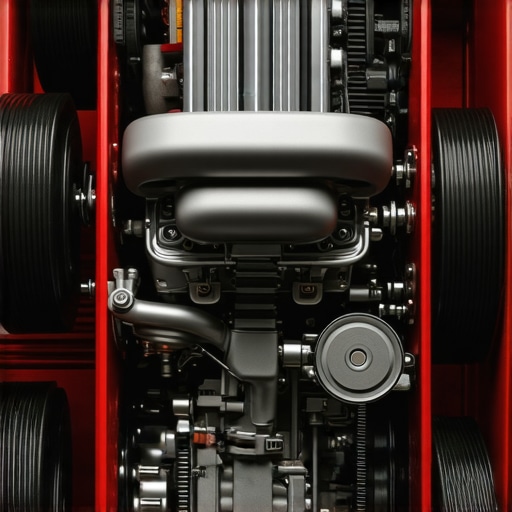
Have you ever started your car on a chilly morning only to be greeted by that unsettling tap-tap-tap—lasting about three seconds—before the engine settles into a smooth hum? I remember the first time I heard it. My stomach sank. I was convinced it was a sign of something serious, maybe even terminal. Turns out, that brief rattle was more common than I thought—and fixable.
Don’t Ignore That Start-Up Rattle: Here’s Why It Matters
This seemingly minor issue can actually point to underlying problems that, if left unaddressed, might lead to bigger, more costly repairs down the road. That initial three-second engine rattle is often linked to the way components like your fuel injectors, spark plugs, or valve timing work when your engine is cold. And trust me, it’s not just a nuisance; it can be a warning sign that your engine isn’t in perfect health.
Ever Wonder If That Rattle Is Something Serious?
I used to brush it off as just a quirk of winter mornings—until I didn’t. The mistake I made early on was dismissing the problem without understanding its root cause. Now, I know better. Recognizing this issue early can save you from bigger headaches later, like ruined pistons or costly replacements. For more insights on preventative maintenance, check out this comprehensive tune-up guide.
In this post, I’ll share practical steps based on my experiences to help you identify whether that three-second rattling is a simple fix or a symptom of a deeper issue—and how to address it before it spirals into a major repair. Ready to crack the code behind your engine’s little startup symphony? Let’s dive into the why behind that rattling and what you can do about it.
Check Your Spark Plugs and Wires First
My first real success with fixing that initial rattle came when I replaced old spark plugs. Think of your spark plugs as the ignition’s matchsticks; worn-out ones misfire, causing that pesky ticking sound. To replace them, locate your engine’s spark plugs—usually accessible on the top or sides—and unscrew them with a spark plug socket. If they look carbon-fouled or worn, swap in new ones following the manufacturer’s torque specs. This simple step can often eliminate cold start misfires, making your engine quiet sooner.
Inspect and Replace Fuel Injectors
Next, I examined my fuel injectors—tiny devices that spray fuel into cylinders. Over time, they can clog, especially if you neglect valve cleaning. I used a fuel injector cleaner additive in my tank for a regular run, which helped, but a detailed inspection revealed that one injector was spray-patterned unevenly. Cleaning or replacing clogged injectors is like giving your engine a breath of fresh air. Use a specialized cleaner or have them professionally tested; this can restore proper cold start timing and reduce rattles.
Adjust Valve Timing or Replace Worn Components
The most involved step involved checking the timing belt or chain. A loose or worn timing belt causes valves and pistons to misalign when cold, resulting in a ticking. I manually checked the timing marks, and they were slightly off. Replacing the tensioner or belt restored proper timing; this is akin to tightening a guitar string—it keeps everything in harmony. Note that improper timing repair can cause severe engine damage, so if you’re unsure, consult with a professional or see troubleshooting tips.
Check Valve Clearance and Lubrication
Another common culprit is valve lash—gap between the rocker arm and valve stem. Over time, this gap widens, causing ticking noises. I used a feeler gauge to measure clearance and adjusted it to manufacturer specs. Proper lubrication of valve train components also reduces metal-on-metal noise, especially when cold. Think of it like oiling squeaky door hinges—smooth operation starts at the source. Regular oil changes ensure this area remains well-lubricated, preventing unnecessary wear and noise.
Maintain Your Air Intake System
Finally, a dirty air filter or idle air control valve can contribute to startup rattle. I replaced my air filter, which is as simple as unclipping the cover and swapping the filter element. Cleaner air helps combustion, especially at startup, reducing misfires and ticking. For a comprehensive overview of routine tune-up tasks, visit this guide.
By systematically tackling these core areas—spark plugs, fuel injectors, valve timing, valve clearance, and air flow—you can effectively eliminate or reduce that three-second engine rattle. Remember, the goal is to approach these steps methodically, confirming each fix before moving on to the next. Consistent maintenance not only quiets your engine but extends its life, saving you money in the long run.
When it comes to automotive care, many car owners fall prey to misconceptions that can lead to costly mistakes. One widespread myth is that all brake service is essentially the same, but in reality, there’s a significant difference between a basic pad replacement and a comprehensive brake system overhaul. Skipping the nuanced inspections can result in uneven wear or even brake failure. For a deeper understanding of what genuine brake system repairs entail, check out this detailed guide.
Another frequent misconception is that regular tune-ups are merely an unnecessary expense. In truth, professional tune-up strategies go beyond simple oil changes; they involve analyzing fuel injection, ignition systems, and sensor functions. Experts emphasize that neglecting these subtleties can reduce fuel efficiency and accelerate engine wear. Discover how to maximize your car’s lifespan with advanced tune-up techniques.
Do many believe that all auto repairs are equal, but the reality is that understanding the intricacies of modern vehicle systems—like electronically controlled transmissions and sensors—can be the difference between an effective fix and a recurring issue. Overlooking these details can lead to persistent problems that baffle even seasoned DIYers.
So, what are some hidden pitfalls that even experienced car enthusiasts tend to miss? For instance, I often see owners replacing parts without diagnosing possible vacuum leaks, which can cause erratic engine behavior and inefficient operation. A tiny vacuum leak, in fact, can be a sneaky culprit behind symptoms that seem unrelated—like poor acceleration or rough idling. For insights on avoiding such traps, explore this troubleshooting resource.
Let’s also consider the importance of nuanced fluid analysis. Many believe that changing engine oil periodically suffices, but specialized tests can reveal contamination or wear particles that indicate underlying engine issues. This level of detail allows for proactive repairs, saving money and prolonging engine life.
Why does attention to these subtle differences matter? Because understanding the complex behavior of your vehicle enables you to prevent minor issues from escalating into major failures. It’s about thinking like a mechanic—anticipating problems before they occur.
Have you ever fallen into this trap? Let me know in the comments. Elevating your auto maintenance approach from routine to insightful can make all the difference—keep learning and stay ahead of costly repairs.
Maintaining your vehicle over time isn’t just about replacing parts—it’s about leveraging the right tools and methods that ensure durability and performance. Personal experience and industry best practices have shown that investing in quality equipment and understanding proper maintenance techniques can drastically extend the lifespan of your car. For instance, I rely on a high-precision torque wrench to ensure that bolts on critical components like the valve cover or suspension are tightened to manufacturer specifications, preventing leaks or premature wear. Using a calibrated torque wrench, I can confidently avoid under-tightening, which risks component failure, or over-tightening, which can strip threads or damage parts. This guide offers comprehensive insights into essential maintenance tips that help keep your vehicle in top shape.
How do I maintain long-term car health effectively?
One of the most valuable tools I recommend is an OBD-II scanner. Modern vehicles come equipped with countless sensors and modules that monitor engine health, emissions, braking systems, and more. With a quality scanner, I can regularly check for diagnostic trouble codes (DTCs), which often appear well before a warning light illuminates on your dashboard. This proactive approach allows me to address potential issues—like a failing oxygen sensor or a worn-out fuel injector—before they escalate into costly repairs. This troubleshooting resource is an excellent starting point for understanding how to interpret those codes and plan your maintenance accordingly.
Equally important is having the right cleaning tools, such as specialized parts washers and electronic contact cleaners. Keeping components like sensors, connectors, and electrical contacts clean prevents corrosion and ensures reliable operation. For example, I regularly apply a contact cleaner to my throttle body and sensor connectors, which significantly reduces erratic idling or performance dips. These small but impactful steps are part of a disciplined maintenance routine that pays off in the long run.
The future of auto maintenance
Looking ahead, the trend is moving toward smarter diagnostic tools and integrated maintenance systems. Vehicles are increasingly capable of self-diagnosis, communicating issues directly to a smartphone or professional mechanic via telematics. This innovation means that maintaining your car is becoming more precise and less guesswork-based. Investing in advanced tools like wireless OBD-II adapters and cloud-based diagnostic platforms is a smart move for proactive owners. By staying ahead of problems through technology, you can schedule repairs at optimal times, saving money and avoiding breakdowns.
Keep your vehicle dependable by upgrading your toolkit
If you’re serious about ensuring your car keeps running smoothly, I highly recommend adding a professional-grade scan tool and a reliable torque wrench to your garage. These tools make a tangible difference in how well and how long your vehicle performs. Don’t forget to also perform regular fluid checks and cleanings—simple actions that, when combined with the right equipment, create a comprehensive maintenance strategy. For comprehensive schedules and checklists, consider visiting this checklist.
Finally, don’t underestimate the power of learning from experts. The more you understand your vehicle’s systems, the more effectively you can maintain them. For example, a manufacturer’s service manual can be invaluable, revealing specifications and procedures not found elsewhere. Am I encouraging you to try using a torque wrench during your next tune-up? Absolutely. It’s a small step that can have a big impact on your car’s lifespan and safety—try it today and experience the difference firsthand.
What I Didn’t Know About Engine Rattles Until It Was Too Late
The moment I dismissed that initial three-second engine rattle as just a cold morning quirk, I set myself up for potential costly repairs. That experience taught me the importance of paying close attention to seemingly minor symptoms, understanding their root causes, and acting proactively. The biggest lesson was recognizing that what seemed like a simple cold start misfire often hints at deeper issues, like valve timing or ignition system wear, that shouldn’t be ignored. Embracing this mindset changed how I approach car maintenance—more vigilance, less assumption.
My Key Resources for Smarter Vehicle Maintenance
Over time, I found certain tools and guides invaluable. The comprehensive tune-up guide became my go-to for routine procedures and avoiding unnecessary repairs. Investing in a quality professional-grade torque wrench ensured I tightened engine components accurately, preventing damage or leaks. Additionally, an OBD-II scanner opened my eyes to hidden issues through diagnostic codes, allowing me to address problems early and keep my car in top shape.
Stepping Into a Future Built on Careful Observation
My journey taught me that auto maintenance is a continuous partnership with your vehicle. Modern cars are becoming more complex, but that complexity also offers smarter tools for diagnostics and maintenance. By staying curious, learning from trusted resources, and investing in quality tools, you can develop a more intuitive and effective approach to car care. Now, I am confident that addressing those pesky startup rattles before they turn into big repairs saves money and extends my vehicle’s lifespan. Whether you’re a DIY enthusiast or simply a dedicated car owner, take that small step—like inspecting your spark plugs or updating your air filter—and embrace proactive maintenance as a daily habit. Your car will thank you for it.