
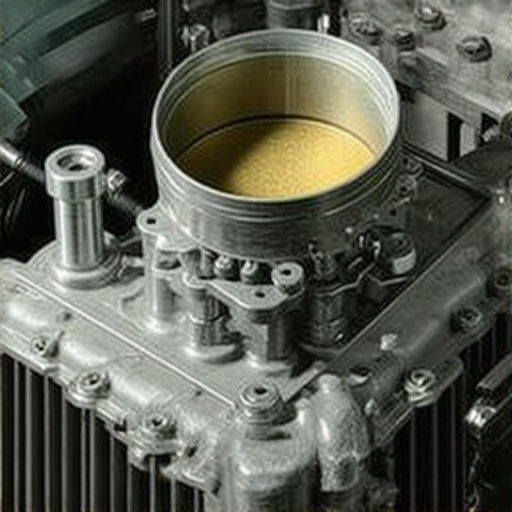
I remember the exact moment I realized my car wasn’t performing like it used to. I was merging onto the highway, pressing the gas pedal with my usual confidence, only to feel a sluggish response, almost like my engine was holding back. Frustration crept in as I wondered what had changed. Turns out, a tiny, often-overlooked part—the throttle body—was to blame for the loss of power and responsiveness. That lightbulb moment sparked my journey into restoring my car’s performance without expensive repairs or complex surgeries.
Feeling the Burn: Why Your Car Isn’t Running at Its Best
Many drivers face this slow decline in performance, often chalking it up to aging or needing a tune-up. But what if I told you that a simple throttle body cleaning could unlock hidden horsepower, improve acceleration, and even boost fuel efficiency? Trust me, I’ve been there—discovering that a straightforward maintenance step made a world of difference. Today, I’m here to walk you through how to do it yourself, saving you money and frustration in the process. If you’re tired of feeling like your vehicle is underperforming, this guide will help you reclaim the power you’re missing.
Is a Throttle Body Cleaning Actually Worth the Hype?
Early in my auto repair endeavors, I made the mistake of ignoring dirt and carbon buildup in my throttle body, assuming it wasn’t a big deal. That oversight cost me in mileage and acceleration. Little did I know, neglecting this component can lead to rough idling, stalling, and sluggish throttle response. According to automotive experts, cleaning the throttle body is one of those small tasks that can lead to a significant boost in overall engine performance, often without the need for costly repairs. So, if you’re skeptical about whether such a simple act can make a difference, you’re not alone. But trust me, the results speak for themselves.
Ready to see how this small step can revitalize your vehicle? Let’s dive into the practical side of things and get your car back to peak performance.
,
Gather Your Tools and Prepare Your Workspace
Start by assembling essential tools: a socket wrench, flat-head screwdriver, throttle body cleaner spray, clean rags, and safety gloves and goggles. Find a well-lit, flat area with enough space under the hood to work comfortably. Ensure your engine is cool before proceeding to prevent burns or other injuries. Wearing gloves helps protect your skin from harsh chemicals during cleaning and keeps dirt away from sensitive parts.
Locate and Access the Throttle Body
Open your vehicle’s hood and secure it with the prop rod. Locate the throttle body—it’s usually mounted between the air filter box and intake manifold, connected to the air intake hose. Often, it resembles a metal cylinder with an electronic throttle position sensor attached. Loosen the clamps securing the air intake hose with a screwdriver or socket wrench, then carefully remove the hose to expose the throttle body. ” alt=”Automotive mechanic removing air intake hose to access throttle body” title=”Accessing Throttle Body by Removing Air Intake Hose”/>.
Disconnect Electrical Components and Throttle Linkage
Carefully disconnect the electronic throttle control connector, noting its orientation to reconnect correctly later. If your model has a throttle linkage cable, loosen its retaining clip with a screwdriver and gently detach it. Handling these components delicately prevents damage and ensures proper reassembly. Take a moment to inspect the wiring and connectors for corrosion or damage, as these can affect throttle response.
Clean the Throttle Body Thoroughly
Spray the throttle body cleaner generously onto the interior surfaces, paying special attention to carbon buildup around the throttle plate and bore. Use a clean rag or a soft-bristled brush to gently scrub away dirt and deposits. Be cautious not to damage the throttle position sensor or any electrical parts. For stubborn grime, reapply the cleaner and repeat the scrubbing. Avoid touching sensitive areas with your fingers or abrasive tools to prevent unnecessary damage.
Reassemble and Test Your Work
Once cleaned, reattach the throttle linkage and reconnect the electrical connector securely. Replace the air intake hose, tightening the clamps to ensure an airtight seal. Start your engine and let it idle for a few minutes, allowing the ECU to recalibrate the throttle response. If your vehicle has a drive-by-wire system, some models may need a quick idle relearn procedure—consult your owner’s manual or visit [this troubleshooting guide](https://glassfixauto.com/troubleshooting-common-auto-repair-issues-before-visiting-the-shop) for tips. This process can restore smooth acceleration and improve fuel efficiency, especially if you’ve noticed sluggish performance lately. To keep your vehicle in top condition, consider periodic tune-ups, which are vital for optimal engine health and longevity. Check out [this article on maximizing your car’s lifespan](https://glassfixauto.com/maximize-your-cars-lifespan-with-expert-tune-up-strategies) for more insights.
Many car owners go into repairs with preconceived notions rooted in myths or oversimplified advice, often leading to overlooked issues or unnecessary expenses. For instance, there’s a widespread belief that replacing spark plugs is always the key to fixing engine misfires, but in reality, advanced problems like coil failures or fuel system issues can mimic similar symptoms. Recognizing these nuanced differences requires a deeper understanding of your vehicle’s complex systems.
Another common misconception is that brake pads are the only critical component in stopping performance. While they are essential, neglecting the condition of rotors, brake fluid, or calipers can compromise safety and lead to costly future repairs. Regularly inspecting and understanding the interplay of these parts ensures safer, more reliable braking—something that many DIY enthusiasts overlook when they only focus on pad replacement.
Are You Falling for the Myth That All Auto Repairs Are Created Equal?
Absolutely not. Not all repairs are straightforward, and sometimes, a simple fix masks deeper underlying issues. For example, a leaking transmission fluid might appear minor, but ignoring it can accelerate component wear far beyond the obvious. Experts recommend proactive diagnosis rather than reactive fixes. Studies, like the one published in the Journal of Automotive Safety, highlight that improper repairs or delays often lead to more dangerous situations or expensive rework down the line. Understanding these hidden nuances can save you money and prevent breakdowns. For comprehensive guidance on when to seek professional help, check out this troubleshooting guide.
One trap to beware of is relying solely on warning lights without performing thorough diagnostics. Modern vehicles have complex sensor networks that can sometimes give false alarms or miss issues entirely. Investing in a diagnostic scan or learning common symptom patterns can make your auto repair efforts more effective. Also, bear in mind that not every auto shop will explain every step thoroughly, so developing a basic knowledge can help you ask better questions and avoid unnecessary repairs.
So, next time you think a tune-up is just swapping plugs and filters, remember that true vehicle health depends on understanding the complexities beneath the surface. By recognizing myths and focusing on the underlying problems, you can maintain your car more effectively, improving safety and longevity. For more insights into comprehensive care, explore this article on maximizing your car’s lifespan.
Have you ever fallen into this trap? Let me know in the comments!
Keep It Running: Tools I Absolutely Swear By
Managing your vehicle’s health over the years requires the right set of tools complemented by solid maintenance habits. I’ve found that investing in a high-quality digital multimeter makes diagnosing electrical issues much more straightforward, especially since modern cars rely heavily on electronic components. My personal go-to is the Fluke 115—it provides precise readings that help me assess everything from battery voltage to sensor outputs, saving me trips to the mechanic for minor checks.
When it comes to cleaning and maintaining components like the throttle body or spark plugs, I rely on the OEM-approved throttle body cleaner spray because it effectively dissolves carbon deposits without harming sensitive parts. Using a soft-bristled brush alongside ensures a thorough cleanup, extending the lifespan of critical parts and maintaining optimal engine performance.
Don’t overlook the importance of a good set of socket wrenches and ratchets. I prefer a metric set with ergonomic handles—it’s about reducing fatigue during those weekend DIY projects. A quality torque wrench, calibrated correctly, ensures you tighten bolts to manufacturer specifications, preventing over- or under-tightening, which could lead to costly repairs later.
Planning for Long-Term Results
Consistent use of diagnostic tools like scan tools—such as the Autel MaxiCOM series—enables monitoring of your vehicle’s health over time. Regular scans help catch minor issues before they escalate, saving money and preventing breakdowns. I’ve also integrated maintenance log apps that remind me when to replace fluids or check belts, making proactive care manageable even with a busy schedule.
Looking ahead, I predict auto maintenance technology will become increasingly automated and integrated with vehicle systems. Features like remote diagnostics and predictive alerts might soon become standard, allowing vehicle owners to address potential problems before symptoms appear. Staying current with these trends, as discussed in this article, will help you leverage new tools for optimal car care.
How do I maintain my car’s performance over time?
Routine inspections and use of reliable service products are key. For example, regular oil changes with high-quality synthetic oils, along with timely replacement of filters and fluids, preserve engine efficiency. I also recommend periodically inspecting brake components and suspension parts—like shocks and struts—since wear indicators can be subtle but critical. Checking your tire pressure and tread depth monthly keeps you safe and improves fuel economy. Remember, preventative maintenance is always more cost-effective than reactive repairs. For detailed steps, check out this comprehensive checklist.Lastly, commit to testing and calibrating systems like your ABS sensors or wheel speed sensors; these are often overlooked but crucial for safety and performance. An advanced tip I suggest trying is investing in a digital tire tread depth gauge; it’s a small tool that can dramatically improve your ability to detect uneven wear early. By staying proactive and armed with the right equipment, you can keep your vehicle operating smoothly for years to come.
Lessons That Changed My Auto Care Game
- Never underestimate the power of a simple throttle body cleaning—sometimes, it’s the secret to unlocking lost horsepower and efficiency. The lightbulb moment for me was realizing how much dirt and carbon buildup can steal your car’s responsiveness, and that DIY cleaning is both affordable and effective.
- My biggest mistake was skipping routine inspections, thinking minor issues could wait. Now I know that catching small problems early—like worn belts or fading brake pads—saves money and keeps me safer on the road. Regular diagnostics have become my best friends, helping me stay ahead of potential failures.
- I’ve learned that myths about auto repairs can lead to unnecessary expenses. For example, believing that all repairs require a mechanic or that certain parts must be replaced prematurely. Educating myself about my vehicle’s systems has empowered me to make smarter decisions and avoid the trap of overpaying.
Tools and Resources That Keep Me Ahead
- The Fluke 115 multimeter has been indispensable for diagnosing electrical issues; it’s reliable and precise, giving me confidence during inspections. I trust it because it consistently identifies problems that might otherwise lead me to expensive repairs.
- OEM-approved throttle body cleaner spray is my go-to for cleaning stubborn deposits without risking damage. It’s effective, affordable, and readily available at auto parts stores, making maintenance straightforward.
- Regular use of scan tools like the Autel MaxiCOM series has transformed how I monitor my vehicle’s health. These tools reveal hidden problems early and confirm that my DIY efforts make a difference, saving me trips to the mechanic.
- Lastly, comprehensive guides and articles like those on [maximizing your car’s lifespan](https://glassfixauto.com/maximize-your-cars-lifespan-with-expert-tune-up-strategies) educate me on proactive care, inspiring me to stay involved and confident in my auto maintenance journey.
Your Turn to Take Charge of Your Vehicle
Knowledge is power, and understanding the nuances of auto repair can extend your car’s life while keeping repairs affordable. Whether it’s a simple throttle body cleaning or learning to interpret warning lights, each step builds your confidence and preserves your vehicle’s performance. Remember, the best auto care combines proactive habits with the right tools—so why wait? Dive in, get your hands dirty, and keep your car running smoothly for miles to come.
Have you ever struggled with pinpointing what’s wrong before heading to the mechanic? Share your experiences below—I’d love to hear your stories and tips!
,