
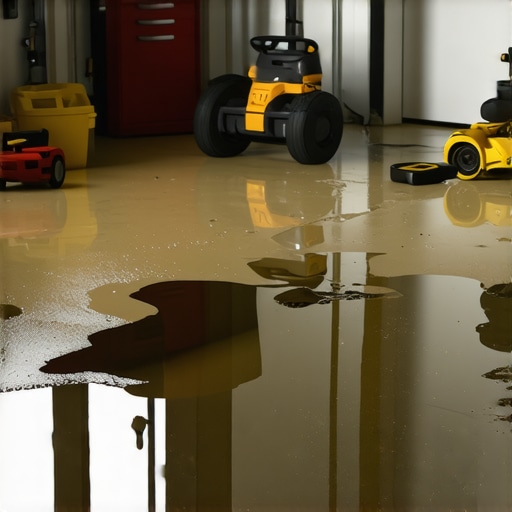
It was early Saturday morning, and I stepped into my garage with every intention of tackling that annoying tune-up on my car. But as soon as I opened the door, my foot brushed against a cold, sticky patch on the floor. Heart sinking, I realized I had a new problem to solve—an unsolvable puddle that seemed to appear out of nowhere. Anyone who’s been in my shoes knows that this kind of surprise can turn a simple garage day into a full-blown mystery.
Why That Puddle Left Me Scratching My Head
That moment of confusion is all too familiar for car owners. The dreaded garage floor puddle is more than just a mess; it’s a signal that something’s not quite right under the hood or somewhere in the system. But here’s the thing: not every puddle is a sign of imminent disaster. Sometimes, it’s just a small leak or condensation. Other times, it points to a serious issue that needs immediate attention.
To truly put my mind at ease—and save a few bucks—I needed to understand exactly what those mysterious drips mean. So, I set out on a quest, much like many of you might do, to decode this cryptic automotive clue.
By the end of this walk-through, I promise you’ll be able to identify where that puddle might be coming from and decide whether to fix it yourself or call in the pros. Because, let’s face it, ignoring it won’t make it go away, and handling it early can prevent costly repairs down the line.
Is Your Garage Floor a Hidden Danger?
Early on, I made the mistake of ignoring a small sniffle of liquid near my car. That turned out to be a costly lesson. As I learned, early detection and a bit of know-how can keep small problems from snowballing into big repairs. And don’t forget—it’s always better to pay a little now than a lot later. For more tips on regular maintenance that keeps problems like leaks and drips in check, check out [how regular tune-ups](https://glassfixauto.com/how-regular-tune-ups-improve-fuel-efficiency-and-safety) can improve your vehicle’s lifespan.
So, have you ever faced that moment of discovery with a mysterious puddle? If so, you’re not alone, and in the next sections, I’ll walk you through exactly how to tell if it’s something minor or a sign of larger trouble. Let’s get into it—your garage floor doesn’t have to be a mystery anymore.
Locate the Leak Source Precisely
Start by cleaning the area around the puddle thoroughly so you can see exactly where the drips originate. Use a flashlight in low-light conditions to trace the stream of liquid back to its source, whether it’s from under the engine, the radiator, or the transmission. I recall pouring a mix of water and a few drops of dish soap on the suspected area during one attempt, which made the leak path stand out visibly, helping me pinpoint a small crack on the radiator hose.
Identify the Type of Fluid
Next, assess the color, smell, and viscosity of the liquid. Coolant is usually bright green, orange, or pink and has a sweet smell. Oil is darker and greasy; transmission fluid is reddish and slick. For example, I once found a bright red puddle beneath my car—confirming it was transmission fluid—prompting me to check the transmission cooler lines immediately. Recognizing the fluid type is crucial because it determines the repair priority and the parts involved.
Check Fluids With Ease
Use a clean piece of cardboard or a white cloth to catch some of the dripping liquid, allowing you to observe the flow rate and aids in identifying the leak location. An effective trick I used involved placing a small mirror beneath suspected areas, which revealed a tiny crack on my water pump’s seal that wasn’t obvious at first glance.
Assess the Leak’s Severity
Determine whether the dripping is minor or substantial. A slow drip that deposits a few drops over hours might be manageable, but continuous streams require immediate attention. I once noticed a slow coolant leak that I monitored for days; eventually, I realized it was a small crack in the radiator that needed sealing or replacement to prevent engine overheating.
Decide Your Next Move
Based on your findings, choose whether to fix it yourself or seek professional help. For simple issues like replacing a worn hose or tightening a clamp, gather the necessary tools, such as screwdrivers or pliers, and follow a step-by-step tutorial from trusted sources like this tune-up guide. If the leak appears complex—like a cracked radiator core or transmission failure—consider scheduling a professional inspection to prevent further damage and costly repairs.
Many car owners assume that a routine tune-up or service is just about replacing filters and checking fluids. However, there’s a common misconception that sticking to factory-recommended intervals and basic inspections suffices, which isn’t always true. In my experience, understanding the subtle nuances—such as the importance of vehicle-specific tuning strategies—can prevent unnecessary repairs and extend your car’s lifespan. For instance, modern engines with turbochargers or direct injection require tailored maintenance approaches often overlooked by general guidelines. Relying solely on generic schedules can lead to misdiagnosed issues, like mistaking a minor vibration for a worn-out part when it might be a calibration problem. Experts, such as automotive engineers, emphasize the significance of adaptive maintenance routines that consider driving habits and emerging vehicle technologies.
Why do many drivers overlook the impact of small adjustments during a tune-up?
Because they focus only on replacing parts rather than optimizing the entire system, they miss out on the benefits of precise calibration—like improving fuel efficiency and reducing emissions. This oversight stems from a widespread myth that tune-ups are solely about replacing consumables, but in reality, advanced diagnostics and fine-tuning can significantly enhance performance. For example, adjusting the ignition timing and fuel mixture based on real-time data can yield better acceleration and smoother operation, facts supported by studies from automotive research centers. Furthermore, neglecting the nuances of brake system repairs—such as the importance of proper rotor prep and anti-corrosion measures—can lead to premature pad wear and noisy brakes. To deepen your understanding of these complexities, check out [this comprehensive guide](https://glassfixauto.com/maximize-your-cars-lifespan-with-expert-tune-up-strategies). Remember, proactive attention to detail during maintenance isn’t just about fixing what’s broken; it’s about tuning your vehicle to operate at its best. Have you ever fallen into this trap? Let me know in the comments.
Invest in Quality Diagnostic Tools for Long-Term Success
One of my most valuable tools in maintaining my vehicle’s health is a reliable automotive multimeter. I personally use a Fluke 115 because of its precision and durability. It allows me to test electrical circuits, check battery voltage, and diagnose sensor issues without unnecessary trips to the mechanic. Investing in a professional-grade multimeter saves time and money by catching potential problems early. Additionally, an OBD-II scanner, like the BlueDriver, provides real-time data and error codes, helping me identify electronic issues before they escalate. These tools are especially useful for DIY enthusiasts aiming for proactive maintenance rather than reactive repairs.
embrace Proper Lubrication and Fluid Management
Maintaining the correct levels and quality of fluids is vital. I always keep a high-quality synthetic engine oil, such as Mobil 1, on hand. Synthetic oils resist breakdown better under high temperatures, ensuring the engine runs smoothly longer. Using a portable oil tester, I monitor the oil’s viscosity and contamination levels, which helps me decide when to change it. Regularly inspecting and replacing brake fluid, power steering fluid, and coolant prevents corrosion and overheating, making long-term driving safer and more efficient. Accurate fluid management through these tools ensures your vehicle remains reliable over countless miles.
Schedule Routine Checks with Digital Maintenance App
I rely heavily on a vehicle maintenance app like MyCarfax. It helps me keep track of service intervals, recalls, and repairs, providing reminders for oil changes, brake inspections, and tire rotations. These digital platforms sync with manufacturer recommendations, ensuring I stay ahead of wear-and-tear issues. The convenience of tracking repairs and maintenance digitally not only prevents missed services but also enhances resale value by keeping detailed records. I recommend integrating such apps into your routine to simplify long-term vehicle care.
How do I maintain my auto service routine over time?
Staying consistent is key. Regularly inspecting and replacing consumables before they fail, using the right tools, and scheduling preventive maintenance sessions with trusted professionals can extend your vehicle’s lifespan. For example, addressing brake system issues early by replacing worn pads or rotors can prevent costly damage, as discussed in this brake service guide. Predictive maintenance, supported by diagnostic tools, is the future of auto care, minimizing downtime and repair costs. I encourage you to try implementing a maintenance checklist combined with high-quality testing equipment—you’ll notice fewer breakdowns and better performance over time.During my journey deciphering that unpredictable puddle, I uncovered some vital truths about car maintenance that never make it into generic guides. One of the most profound lessons was realizing that small, seemingly insignificant issues often carry the biggest warning signs—and ignoring them can lead to costly repairs. I also learned that trusted diagnostic tools, combined with a curious mindset, can turn a stressful mystery into a manageable DIY fix. Above all, I discovered that consistent, proactive maintenance isn’t just about patching up problems; it’s about tuning your vehicle’s health like a finely calibrated instrument, ensuring longevity and performance. Embracing these insights transformed my approach to auto care, making me confident that a little extra effort now saves a ton later. If you’re serious about caring for your vehicle, I encourage you to think beyond quick fixes and develop an understanding that empowers you to troubleshoot and maintain your car with confidence.