
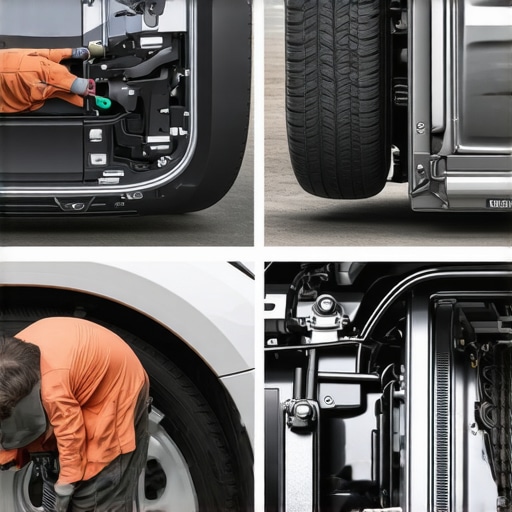
I remember the exact moment I realized I’d been shortchanging my car’s health for years. It was a chilly Saturday morning, and I’d driven over to a quick-lube joint convinced I was saving time and money with their speedy oil change. Yet, as I pulled out of the lot, there was this unsettling rattling noise I hadn’t noticed before. Turns out, a simple oil change isn’t the same as a comprehensive service, and neglecting the latter can lead to more costly repairs down the road. If you’ve ever wondered whether that quick visit to the shop is enough, you’re not alone. Today, I’ll help you understand the key differences between a quick oil change and a full car service, so you can make smarter decisions about your vehicle maintenance.
Why Skipping the Full Service Can Cost You More in the Long Run
Is a Quick Oil Change Actually Worth the Hype
When I first started automotive maintenance, I made the mistake of believing that a quick oil change was all my car needed. I thought, “Why spend extra when I can get back on the road fast?” But I learned the hard way that lurking issues—worn belts, dirty filters, and fluid leaks—don’t show up in a spray of motor oil. These small problems can turn into big expenses if ignored. Routine full car services cover critical components that need regular attention—like inspecting brakes, changing coolant, or rotating tires—which a quick oil change simply doesn’t include. According to a comprehensive guide on vehicle maintenance, proactive care can extend your car’s lifespan and prevent unexpected breakdowns. They state that irregular servicing is a leading cause of major repairs. So, if you’ve been skipping that full service, ask yourself: Have I noticed strange noises, reduced fuel efficiency, or sluggish acceleration? If yes, your quick oil change might be doing more harm than good.
Start with a thorough inspection
Begin by visually and physically examining your vehicle. Check for leaks, worn belts, cracked hoses, and tire condition. I once noticed a tiny crack in my serpentine belt during a routine look-over, and catching it early saved me from a roadside breakdown. Use a flashlight to inspect hard-to-see areas and feel for any abnormal vibrations or noises when the engine is running.
Change essential fluids and filters
Replace engine oil, coolant, brake fluid, transmission fluid, and power steering fluid as needed. Don’t forget to change the oil filter, which acts like a sieve for dirt and debris—if clogged, it hampers engine performance. For example, after I changed my oil and filter, my engine ran smoother, and I noticed a slight boost in fuel efficiency. Consult your car’s manual or the vehicle maintenance checklist for specifics.
Assess brake system health
Inspect brake pads, rotors, and calipers for wear. Squealing brakes? It might be time for replacement. Think of your brake system like your knees—wear them out, and stopping becomes painful and unsafe. I replaced worn pads and resurfaced rotors during my last service, which dramatically improved braking responsiveness. Regular brake checkups prevent costly repairs.
Service the suspension and steering components
Check shocks, struts, tie rods, and ball joints for leaks, excessive play, or damage. A loose steering wheel or bumpy ride? These are signs your suspension might need attention. Last year, I discovered a leaking shock absorber, which was causing my vehicle to bounce excessively. Replacing it restored smooth handling and safety.
Inspect and replace worn tires
Worn treads or uneven wear patterns suggest alignment or suspension issues. I learned to check my tire tread using a penny and noticed uneven wear—prompting a quick alignment and rotation that extended tire life and improved handling.
Complete a comprehensive tune-up
Replace spark plugs, inspect ignition wires, and set the timing if necessary. Think of a tune-up as a health check-up for your engine—necessary to keep everything firing on all cylinders. Following a tune-up, I experienced improved acceleration and fuel economy. For detailed tips, visit this guide on essential maintenance practices.
Final check and test drive
After servicing, double-check all fluids, tighten bolts, and ensure all components are secure. Take your car for a cautious test drive, listening for unusual noises or vibrations. A proper test run revealed a slight steering wobble that I diagnosed and fixed before hitting the highway, ensuring safety and peace of mind.
Many car owners operate under misconceptions that can lead to costly mistakes. One common myth is that a quick oil change suffices for vehicle health, but in reality, neglecting comprehensive service can cause severe engine wear over time. **Did you know that the majority of breakdowns stem from overlooked maintenance issues?** It’s tempting to believe that minimal upkeep saves money, yet experts warn this approach often results in higher repair bills. For example, failing to inspect brake systems thoroughly can lead to dangerous failures that might have been prevented with proper checks. **One trap to avoid is assuming all auto repairs are alike;** different components demand tailored care—like understanding the nuances between regular tune-ups and major repairs. According to automotive maintenance specialist Jim Baker, ignoring minor issues like brake fluid degradation accelerates component deterioration and can compromise safety (see [this guide](https://glassfixauto.com/auto-repair-trends-to-watch-in-2025-staying-ahead-of-the-curve)).
For those seeking to optimize their vehicle’s longevity, it’s crucial to grasp the importance of paying attention to the small details. Regularly testing your brake calipers for sticking or leaks can prevent sudden failures—something common but often missed. Additionally, many believe that servicing only when problems appear is sufficient; **but preventive maintenance is key to avoiding expensive emergency repairs**. I recommend establishing a routine inspection schedule, especially for critical parts like suspension and steering components.
Are you aware of how advanced diagnostics can identify issues before they manifest as warning lights? Many enthusiasts overlook this ahead-of-time diagnosis, risking more serious damage. A proactive approach, including comprehensive tune-ups, ensures your vehicle performs efficiently and safely. For more on this, explore [how regular tune-ups improve fuel efficiency](https://glassfixauto.com/how-regular-tune-ups-improve-fuel-efficiency-and-safety).
Remember, understanding the hidden nuances of auto repair and maintenance isn’t just for mechanics. As a vehicle owner, becoming familiar with these details empowers you to make smarter decisions, avoid scams, and save money in the long run. Think twice before dismissing seemingly minor repairs—they could be your vehicle’s last line of defense against costly breakdowns. Have you ever fallen into this trap? Let me know in the comments.Maintaining your vehicle isn’t just about routine oil changes; it’s about investing in the right tools and methods that ensure long-term performance and safety. Over the years, I’ve honed a set of precise equipment and approaches that help me catch issues early and execute effective repairs. One of my essential tools is a high-quality digital multimeter. I personally use the Fluke 115, renowned for its accuracy and durability, which allows me to diagnose electrical issues like faulty alternators or bad sensors with confidence. For visual inspections, an LED flashlight such as the Streamlight 90500 is indispensable—it illuminates tight spots and reveals leaks or corrosion that could develop into costly problems. When it comes to fluid health, I rely on a calibrated coolant tester (like the Car Gauge Coolant Test Kit) to determine whether my coolant is still effective or needs replacing, avoiding preventable engine overheating. Additionally, a torque wrench calibrated to manufacturer specs ensures bolts are tightened correctly, preventing over-tightening or under-tightening that could lead to part failure.
How do I maintain Tools and Methods over time
Regular calibration and gentle storage practices extend the lifespan of your diagnostic equipment. For instance, keeping your multimeter in a dry, padded case minimizes damage, and periodically testing it against known voltage sources verifies accuracy. Upgrading your toolkit when new automotive technologies emerge, like electric vehicles, is crucial. Trends point toward smarter diagnostics with OBD-II code readers integrated with smartphone apps, which I predict will become more advanced and user-friendly in the coming years. Investing in these tech-savvy tools now can give you an edge in early problem detection and maintenance planning. To stay ahead, I recommend exploring innovative diagnostic methods such as infrared thermography for detecting overheating components—this tool can identify potential issues before they manifest.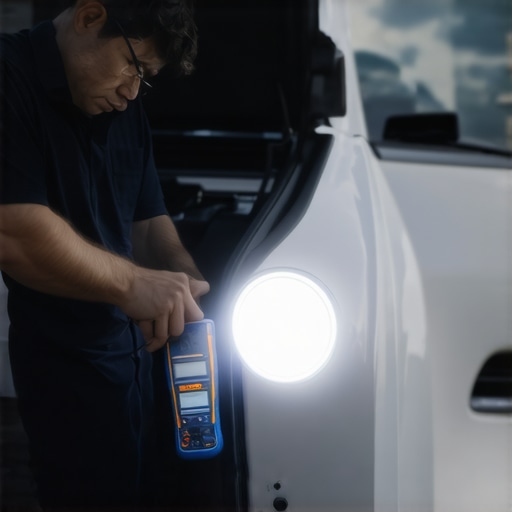
Imagine having the ability to spot an overheating bearing or a fluid leak at a glance. Using an infrared camera like the Fluke Ti105 has become a game-changer for me in proactively maintaining my car’s health. This investment not only saves money by preventing breakdowns but also gives peace of mind. As automotive systems grow more complex, embracing advanced tools will be vital. Try incorporating an infrared inspection into your routine—it’s a surprisingly accessible way to elevate your maintenance game and catch problems early before they escalate. Want to know more about how to leverage diagnostics for long-term vehicle health? Visit auto-repair trends to watch in 2025 for insights into future tech developments.In my years of working with cars, I’ve uncovered that the true secret to vehicle longevity isn’t just about quick fixes—it’s about embracing a mindset of proactive, detailed care. One lightbulb moment came when I realized that ignoring small issues, like a minor fluid leak or worn-out brake pads, often leads to expensive, stress-inducing breakdowns. Over time, I’ve learned that every component, no matter how insignificant it seems, plays a vital role in your car’s health—a lesson that transformed how I approach maintenance. Remember, building a relationship with a trusted mechanic and sticking to a scheduled service plan can turn your vehicle into a dependable partner for years to come. Don’t wait for warning lights to blink; take control now, get familiar with your car’s needs, and invest in routine checks. Your wallet and your peace of mind will thank you in the long run.