
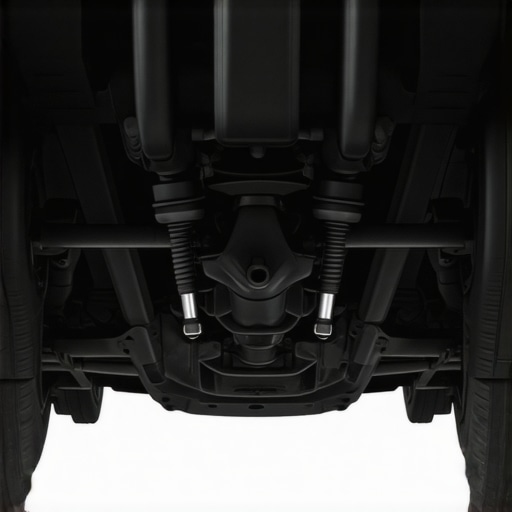
Imagine this: You’re cruising down the street, approaching a gentle speed bump, and suddenly your car emits a squeaking noise that sounds like an overexcited mouse. It’s awkward, embarrassing, and frankly, it makes you wonder if your vehicle is crying out for help. I’ll be honest—when I first heard that squeal, I thought maybe I’d overlooked some basic maintenance or that a recent repair had gone wrong. Turns out, that tiny squeak is more common than you’d think and often signals a simple fix. Today, I’ll guide you through why your car squeaks over speed bumps and, more importantly, how you can put an end to that annoying sound for good.
Understanding the Source of the Squeaks During Speed Bumps
Is This Issue Really Serious or Just Annoying? That’s what I Initially Thought
In the beginning, I brushed off my squeak as a minor annoyance, letting it go until it became a consistent part of my daily drive. Early on, I made the mistake of assuming it was something I could ignore—after all, I didn’t notice any performance issues. However, neglecting small sounds can hide bigger problems. When I finally took the time to investigate, I learned that such squeaks often originate from worn-out suspension bushings, loose brake pads, or dry spots in the suspension components. These parts are vital for smooth rides and safety, and ignoring their health could lead to costly repairs later. Interestingly, according to a study by the Car Care Council, overlooking minor noises and signs of wear accounts for many preventable vehicle breakdowns. So, if your car squeaks every time you cross a speed bump, it’s not just an annoyance—it’s your vehicle telling you to pay attention.
Keeping your car in top shape isn’t just about avoiding repairs; it’s about ensuring safety and comfort. The good news is, most of these squeaks are simple to diagnose and fix. In the upcoming sections, I’ll share practical steps to identify the root cause and easy solutions to silence your squeaking car. Have you recently faced a similar frustrating squeak? Stick around—I’ve got tips that will help you understand and resolve the issue swiftly.
Inspect Suspension Bushings for Wear
Start by lifting your vehicle using a jack and secure it with jack stands. With the wheels removed, examine the suspension bushings—these rubber or polyurethane parts cushion the joints. Worn or cracked bushings allow metal-to-metal contact during bumps, causing squeaks. Handle them gently, and if they show signs of deterioration, replace them. I once replaced a set of bushings myself after noticing a persistent squeal, which immediately stopped the noise and improved ride comfort. Proper inspection is crucial, and you can learn more about brake system repairs that often involve similar bushings.
When it comes to vehicle maintenance, many car owners rely on common beliefs that might not hold up under scrutiny. One widespread misconception is that a simple tune-up is only necessary when your car starts rough or stalls unexpectedly. In reality, routine tuning can significantly boost fuel efficiency and engine longevity, even if your vehicle runs smoothly, as discussed in this article.
Another myth revolves around brake service, where many assume that squealing brakes always indicate the need for new pads. However, often squeaks are caused by dust or moisture buildup, not worn-out components. Ignoring the real causes can lead to unnecessary replacements and increased costs, which is why understanding the actual signs is crucial. Check out this guide to learn more.
A common trap in auto repair is believing that all mechanics are equally trustworthy. This misconception can lead to overpaying or, worse, unnecessary repairs. Certified technicians with up-to-date knowledge and transparency about their service approach make a difference. For tips on choosing the right shop, visit this resource.
Beyond these myths, many car owners overlook the importance of understanding advanced nuances in their vehicle’s health. For example, minor dashboard warning lights can be dismissed as trivial, but they often point to underlying issues that, if ignored, might cause costly damages later. Regular diagnostics can help catch these early signs—more details are available here.
Are you aware of the subtle signs that indicate more complex problems? For instance, a slight delay in steering response could suggest alignment issues that, if not addressed promptly, could compromise safety. Staying informed about these advanced nuances ensures you don’t fall victim to oversimplified advice. Remember, routine maintenance isn’t just about replacing parts—it’s about understanding your vehicle’s unique needs. Want to learn how regular tune-ups can transform your driving experience? Visit this page.
As you explore the world of auto care, avoid the trap of complacency. Misjudging the severity of maintenance needs can lead to unexpected breakdowns and significant expenses. For comprehensive guidance on keeping your vehicle in top shape, check out this checklist.
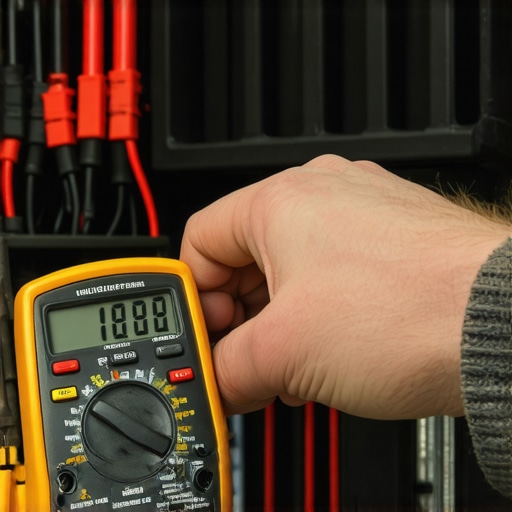
Have you ever fallen into this trap? Let me know in the comments and share your experiences with auto maintenance myths that caught you off guard.Maintaining your car’s reliability and safety over time requires more than just occasional visits to the shop; it demands the right tools and knowledge to perform regular checks and minor repairs yourself. One of my personal favorites is a high-quality digital multimeter. I rely on it daily to monitor battery health, check sensor signals, and troubleshoot electrical issues promptly, saving time and avoiding unnecessary service visits. Another indispensable tool is a torque wrench, which ensures fasteners are tightened to manufacturer specifications, preventing issues like brake caliper misalignment or loose suspension components that could lead to squeaks or worse. For example, ensuring your brake calipers are properly torqued can prevent uneven wear and premature failure, and a calibrated torque wrench makes this process straightforward and accurate.
A reliable car diagnostic scanner, such as those compatible with OEM systems, is vital for accessing hidden trouble codes before they trigger warning lights or lead to costly damage. I prefer models that support live data streaming so I can monitor real-time engine parameters during test drives, helping me catch subtle issues early. Modern tools are increasingly integrated with smartphone apps, making data interpretation more accessible and comprehensive.
Beyond tools, keeping a detailed maintenance journal helps track service intervals, part replacements, and noticeable performance changes. This proactive approach enables me to plan tune-ups and component replacements—like scheduling a spark plug change or inspecting brake pads—before issues escalate.
Looking ahead, the trend is rapidly moving toward wireless diagnostic systems and AI-powered predictive maintenance platforms. These innovations promise to identify issues before they manifest symptoms, drastically reducing downtime and repair costs. Staying ahead of these trends means investing in versatile, up-to-date tools today, like Bluetooth-enabled scanners and learning to interpret OEM diagnostic codes.
*How do I maintain my car tools and ensure they remain reliable?* Regular calibration, proper storage in a clean, dry environment, and occasional testing against certified standards keep my equipment in top shape. For example, a miscalibrated torque wrench can give false readings, risking improper assembly and safety hazards. I recommend checking your tools periodically and returning them to the manufacturer or a certified calibration service.
If you haven’t already, I suggest trying out a digital multimeter with automotive-specific testing modes. This simple addition to your toolbox can greatly enhance your ability to diagnose electrical issues swiftly—an essential skill that saves time and money. Remember, staying ahead in auto repair isn’t just about resources; it’s about developing your understanding of your vehicle’s systems and tools.
To learn more about maintaining your car’s longevity through consistent, strategic interventions, visit this comprehensive checklist. For assistance in selecting the right diagnostic tools or to discuss your maintenance plan, don’t hesitate to contact us.
< >
>
The Hidden Lessons in Listening to Your Car
One of the most valuable insights I’ve gained about auto care is recognizing that seemingly minor sounds, like a squeak over speed bumps, often carry significant meaning about your vehicle’s health. The frustration was real when I first ignored that squeal, thinking it was just normal wear. Turns out, paying close attention to these details taught me to catch issues early, saving time and money. Trust your ears—your car’s language is more expressive than you might think—and respond proactively rather than reactively. That tiny squeak can be a gateway to deeper understanding and better maintenance habits.
Essential Tools and Resources I’ve Come to Rely On
Over the years, I’ve curated a set of reliable tools that empower me to troubleshoot and maintain my vehicle confidently. A high-quality automotive multimeter is essential for diagnosing electrical issues that may manifest subtly, like dry spots in suspension components causing squeaks. My torque wrench ensures that fasteners, from brake calipers to suspension bolts, are tightened to manufacturer specs, preventing avoidable noises. I also trust my professional-grade diagnostic scanner, which provides real-time data and fault codes—crucial for catching warning signs before they escalate. For comprehensive guidance and to streamline your auto maintenance journey, I always turn to trusted resources like this car service checklist. These tools and resources have transformed my approach from guesswork to informed action, ensuring my vehicle remains safe, reliable, and quiet on every drive.
Your Next Step Toward Peaceful Driving Starts Now
Dealing with that pesky squeak every time you hit a speed bump isn’t just about silencing a noise—it’s about tuning into what your vehicle needs and acting with confidence. You already have the tools and knowledge to diagnose common issues, and the only thing left is to take that proactive step forward. Remember, routine checks and basic maintenance pay off big time, turning frustrating sounds into opportunities for smarter, safer driving. So why wait? Embrace the small habits that lead to big savings and a smoother ride. Your car—and your peace of mind—deserve it.