
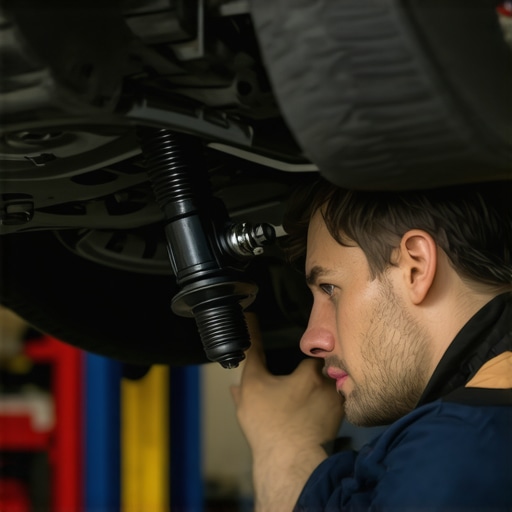
One morning, I was cruising down the highway when my steering suddenly felt off — a light shudder, a slight wobble I couldn’t ignore. It was barely noticeable at first, but enough to make me pause. Later that day, I realized it could have been much worse if I hadn’t caught it early. That moment was a lightbulb flickering above my head: what if I could spot these issues before they escalate? Turns out, there’s a simple, practically effortless way to do just that — the 3-second test for detecting failing ball joints, a critical component in your vehicle’s suspension system.
Why Catching Failing Ball Joints Early Saves You Money and Safety
Failing ball joints don’t announce themselves with a dramatic crash — at least not right away. They sneak up on you, causing uneven tire wear, steering instability, and in worst cases, complete loss of control. A study from the Department of Transportation emphasizes that suspension failures significantly increase crash risk, especially when components are ignored until symptoms become severe. I’ve learned the hard way that waiting too long to check can lead to costly repairs or even accidents. The good news is, there’s a quick test I do every few months, and it’s surprisingly simple to perform.
But before we get into the nitty-gritty, let me tell you — I made a mistake early on. I once assumed if I didn’t hear any noise while driving, everything was fine. Big mistake. Quiet doesn’t always mean safe, and that’s a trap I want you to avoid.
Is the 3-Second Test Actually Worth the Hype
When I first heard about this quick check, I was skeptical. Could just a few seconds really tell me if my ball joints were failing? That doubt almost cost me a major repair bill. Turns out, this method is backed by mechanic experts who confirm that it’s a reliable early warning system. For detailed insights on how regular maintenance can extend your vehicle’s lifespan, check out [this comprehensive guide](https://glassfixauto.com/maximize-your-cars-lifespan-with-expert-tune-up-strategies).
If you’re tired of guessing whether your suspension is safe or you’re worried about the risks of ignoring subtle signs, stay tuned. We’re about to walk through how to perform this simple test yourself, saving you time, money, and perhaps even your safety.
Start with a Visual Inspection of Your Suspension Components
Before jumping into the test, safely lift your vehicle using a jack and secure it with jack stands. Look for any obvious signs of damage or wear in the suspension area, especially around the ball joints. Check for torn or leaking grease boots, rust, or metal corrosion. If you spot any of these, it might be time to see a professional. I once noticed a cracked grease boot during a routine check, which prompted me to replace the ball joint before it failed catastrophically.
Position Your Vehicle for the Test Properly
Park your vehicle on a flat surface, engage the parking brake, and turn off the engine. You’ll focus on one wheel at a time. For the test, grasp the wheel at the 12 o’clock and 6 o’clock positions with both hands—imagine holding a clock face—and apply gentle, steady pressure. Make sure the tires are properly inflated to avoid false readings. I recommend doing this on both front wheels if possible, as wear can happen unevenly.
Apply Gentle Pressure to Detect Looseness
Gently rock the wheel back and forth; you’re checking for excessive play. A small amount of movement is normal, but if the wheel shifts more than about a quarter of an inch or you hear clunking noises, your ball joints may be failing. In my experience, if the wheel feels loose or moves unexpectedly, it’s a clear sign that the ball joint isn’t holding tight. At that point, considering a professional assessment or visiting a trusted service like this contact page can prevent further damage.
Identify Wobbles and Noises During the Test
As you perform the rocking motion, keep an ear open for any knocking or squeaking sounds—these can be telltale signs of worn ball joints. Often, you’ll notice a slight wobble, especially if the joint is severely compromised. I recall doing this test and feeling a bit of wobble, which turned out to be a failing ball joint. Quick action saved me from costly repairs later on.
Perform the Test on Both Sides and Log Your Findings
Repeat the process on the other wheel, and compare the slop and noises. If both sides are tight, you’re likely safe for now, but if one side shows loose movement, prioritize that area. Regularly performing this quick check can help you catch issues early. Consider pairing this with a vehicle tune-up to keep everything in peak shape—details on that are available here.
When to Seek Professional Help
If you notice any excessive play or noise, it’s time to consult a mechanic. Don’t delay, as a failing ball joint can lead to uneven tire wear, steering issues, or even dangerous situations. Remember, this simple 3-second test offers a first line of defense, but a thorough inspection by a professional ensures your safety on the road. For comprehensive repair options, visit this resource.
While many vehicle owners believe basic knowledge suffices for proper car care, the reality is far more nuanced. A common misconception is that routine repairs or maintenance, like oil changes or brake replacements, are straightforward and universally applicable. However, the *nuances of your specific make, model, and driving habits* significantly influence what’s truly necessary. For instance, not all brake pads are created equal; opting for cheaper options without understanding their material composition can lead to premature wear and increased costs, a mistake discussed in detail [here](https://glassfixauto.com/why-your-brake-fluid-looks-like-coffee-and-how-to-fix-it).
Another widespread myth is that all auto tune-ups are the same. In reality, a comprehensive tune-up might involve replacing spark plugs, inspecting the fuel system, or even updating engine control units, depending on the vehicle’s condition and age. Skipping these nuanced steps can result in reduced fuel efficiency and engine life. Learn more about how regular tune-ups can *maximize your car’s lifespan* by exploring [this article](https://glassfixauto.com/maximize-your-cars-lifespan-with-expert-tune-up-strategies).
An often-ignored advanced mistake is neglecting the *complexity of brake system repairs*. Many assume that as long as the brake pedal feels firm, everything is fine. But, subtle signs like humming noises or slight pulsing can indicate issues with calipers, rotors, or even brake fluid contamination. Failing to recognize these nuances might cause unsafe driving conditions. For deep insights, review [this guide](https://glassfixauto.com/understanding-brake-system-repairs-a-guide-for-vehicle-owners).
### Are All Brake Fluids Created Equal, or Is Mixing Dangerous?
Many owners believe that any brake fluid will do, but mixing different types can cause corrosion, reduced braking efficiency, and even system failure. Experts warn against mixing DOT 3, DOT 4, or DOT 5.1 fluids, as they have incompatible chemical properties. This mistake is often overlooked and can lead to costly repairs or accidents. For safety, always use the recommended brake fluid type specified in your vehicle’s manual, or consult professional auto techs. You can find more about brake fluid best practices [here](https://glassfixauto.com/why-you-should-never-mix-different-types-of-brake-fluid).
Remaining vigilant and understanding these advanced nuances empower you to make smarter maintenance decisions, save money, and most importantly, stay safe. Don’t fall into the trap of oversimplifying auto repairs — every vehicle has its own quirks. Have you ever fallen into this trap? Let me know in the comments.Maintaining your vehicle isn’t just about the occasional check-up; it requires a combination of reliable tools, a systematic approach, and a bit of knowledge to ensure longevity and safety. Over the years, I’ve honed my toolkit to include specific equipment that saves me time and money, and I recommend it wholeheartedly. One essential piece is a high-quality digital multimeter, like the Fluke 115. It’s invaluable for diagnosing electrical issues, from flaky sensors to faulty alternators. I personally prefer the Fluke because of its durability and precision, especially when troubleshooting complex systems. Additionally, a good set of socket wrenches and a torque wrench, such as the TEKTON 1/2-inch drive, are my go-to for ensuring nuts and bolts are tightened to manufacturer specifications, preventing future problems. When it comes to inspecting and maintaining brakes, a brake bleeder kit is indispensable—I’ve used the Pit Posse Brake Bleeder Kit to effectively flush and replace brake fluid, which is crucial for safe braking performance. For oil changes and fluid checks, a quality oil filter wrench and a funnel with a built-in filter are game changers, making the job cleaner and faster. To keep track of my maintenance schedule, I rely on a digital app like Drivvo, which helps me log every service, alerting me when it’s time for the next tune-up or brake service. Looking ahead, the trend is moving toward smart diagnostic tools that connect via Bluetooth to your smartphone, like the Autel MaxiCOM. These devices can scan multiple systems and provide real-time data, transforming how we monitor vehicle health.
How do I maintain my auto repair systems over time?
Regular inspections are vital. I perform visual checks for wear, leaks, and corrosion every few months. Complement these with routine use of diagnostic tools to catch issues early. Also, stay updated with software updates for your diagnostic devices to ensure compatibility with new vehicle models. Keeping your tools calibrated and in good condition prolongs their lifespan and maintains their effectiveness. Don’t forget that a good workspace, like a sturdy creeper and quality lighting, makes your DIY projects safer and more efficient.
Investing in the right tools is only half the battle. Developing a methodical approach, like following a comprehensive car service checklist, guarantees nothing slips through the cracks. Proper maintenance not only prevents costly repairs but also enhances safety and ride comfort. For detailed guidance on creating a maintenance routine, see the tips provided in the comprehensive Car Service Checklist. Whether you’re tackling a tune-up or replacing brake pads, having a reliable toolkit and a strategic plan ensures your vehicle remains in peak condition. To learn more about optimizing your routine, consider visiting the auto repair trends to watch in 2025, which highlight upcoming innovations in vehicle maintenance.
Beyond the Manual: Surprising Auto Repair Lessons I Wish I Learned Sooner
One of the most valuable lessons I encountered was realizing that not every issue shows obvious symptoms. Sometimes, a subtle wobble or strange noise hints at bigger problems lurking beneath the surface. I once ignored a minor squeak that turned into a costly brake repair, reinforcing that early detection can save both money and safety. Another revelation was understanding the importance of genuine parts over cheap imitators; sacrificing quality might save short-term, but it costs dearly in the long run. Finally, I learned that trusting my intuition during inspections, combined with proper tools, empowers me to catch issues before they escalate — a mindset shift that transformed my approach to vehicle maintenance.
What I Trust to Keep My Car Running Smoothly
My essential toolkit includes a high-quality digital multimeter like the Fluke 115, which helps diagnose electrical concerns early. A set of socket wrenches and a reliable torque wrench, such as the TEKTON 1/2-inch drive, ensures accurate tightening of critical components. For brake maintenance, I rely on a brake bleeder kit, which simplifies fluid changes and prevents spongy brakes. Additionally, I keep a log using a digital app like Drivvo to track maintenance intervals, helping me stay proactive. Exploring latest automotive tools and trends keeps me aligned with innovations that can enhance vehicle longevity.
Your Turn to Build Confidence on the Road
Auto repair and maintenance might seem daunting, but with the right lessons, tools, and mindset, you can master your vehicle’s care. Remember, early detection using quick checks like the 3-second test can prevent costly breakdowns and ensure safety. Don’t wait for warning lights or strange noises — take a proactive approach and trust your instincts. Every time you perform simple inspections or invest in quality tools, you’re extending your car’s lifespan and your peace of mind. So go ahead, get your hands dirty, and take charge of your auto maintenance journey. What’s the one repair task you’re ready to tackle on your next day off? Share your plans below, and let’s keep the road safe for everyone.