
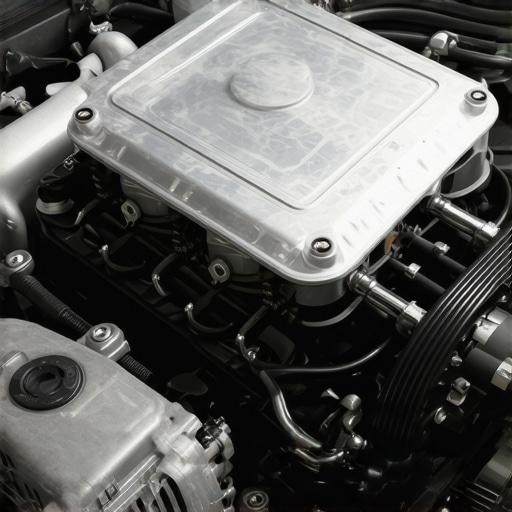
I’ll never forget the moment I opened my hood and saw that greasy puddle forming beneath my engine—my heart sank. I thought, great, another costly repair ahead. Turns out, that leak was a sign of something more insidious lurking behind the timing cover, quietly drenching my engine and risking a major failure. That experience taught me the hard way how crucial it is to catch oil leaks early, especially behind the timing cover, before they spiral into expensive repairs or engine damage.
Why Spotting Oil Leaks Early Matters More Than You Think
Oil leaks behind the timing cover are sneaky. They don’t usually announce themselves with loud noises or warning lights. Instead, they hide behind the cover, slowly dripping and seeping, sometimes for weeks or even months. If left unchecked, these leaks can lead to low oil levels, inadequate lubrication, and ultimately engine failure. Plus, they can cause buildup of sludge, reducing your vehicle’s efficiency and lifespan. Recognizing these leaks early can save you a lot of money—and a lot of frustration.
Is it’s worth the effort to find leaks that are hidden?
Honestly, one mistake I made early on was assuming that a small oil spot on my driveway was just a minor inconvenience. I ignored it, thinking I could top off the oil and keep going. But that small leak was a warning sign. I learned from experience that overlooking early symptoms can lead to *catastrophic* repairs down the line. For example, a small oil leak behind the timing cover can eventually cause the cover to warp or the gasket to fail, leading to more leaks or severe engine damage. Trust me, catching it early is the smarter move—think of it like routine tune-ups for your car’s health.
Have you ever ignored a tiny oil spot only to find out later that it turned into a major problem? If so, you’re not alone. Many vehicle owners miss the subtle signs because they don’t know what to look for or assume that minor leaks aren’t a big deal. That’s exactly what I want to help you avoid today.
The good news is, with a little bit of know-how and regular inspection, you can detect those hidden leaks behind the timing cover early enough to prevent costly repairs. So, let’s dive into how you can spot these leaks before they become a nightmare—starting with what to look for and how to do a simple check yourself. Trust me, you’ll thank yourself the next time you hit the road with peace of mind.
Start with a Visual Inspection
Before diving into complex checks, park your vehicle on a clean, flat surface and let the engine cool down. Look for fresh oil spots or wetness around the front of the engine, especially near the timing cover area. Use a flashlight if needed to spot any seepage that might be hiding behind other components. Remember, early detection is much easier when the engine is cool and the area is clean. Once you notice potential leaks, move to the next step for confirmation.
Perform a Chemical Leak Test
Mix a soap solution—water with a few drops of dish soap—and apply it to suspect areas with a spray bottle or brush. Start the engine and watch for bubbles forming, which indicates escaping oil or leaks under pressure. If leaks are active, you’ll see bubbles forming around the gasket or seals. This simple test helps confirm whether the seepage is ongoing, guiding you on whether more detailed investigation is necessary. I once used this method before replacing a timing cover gasket, and it saved me from unnecessary disassembly.
Use a UV Leak Detection Kit
For persistent or hard-to-see leaks, applying UV dye is highly effective. Add the dye to your engine oil according to the product instructions, then run the engine for about 15-20 minutes. Afterward, turn off the engine and use a UV flashlight to scan the area. The dye glows under UV light, revealing even minor leaks behind the timing cover that might otherwise go unnoticed. I employed this approach when trying to locate a slow leak that had defied initial inspection, and it pinpointed the exact gasket seam needing attention.
Conduct a Pressure Test
This involves sealing the intake and exhaust to pressurize the cooling and oil systems. Use a radiator or system pressure tester, applying specified pressure to identify leaks. If the pressure drops over time, it indicates a leak—possibly behind the timing cover gasket. While this test requires specialized equipment, it offers definitive evidence of a leak’s location. During my own repair, this test helped me confirm that the leak was confined to the timing cover area, preventing unnecessary disassembly of unrelated components.
Check for Drips During Engine Run
Start the engine and observe the front of the engine with a mirror or by carefully looking from the side. Look for any oil droplets or seeping at the gasket seam. You can also use a mirror attached to an extendable rod for a better view. If oil is actively dripping or seeping out, it confirms a leak that needs immediate attention. Remember, leaks behind the timing cover are often slow but persistent; catching them early avoids larger repairs. Once identified, plan for gasket or seal replacement depending on the severity.
Regular Monitoring and Maintenance
Even after fixing, routinely check for oil spots or drips beneath your vehicle. Keeping up with scheduled oil changes and visual inspections—perhaps during routine regular tune-ups—helps catch leaks early. Prompt attention to small signs prevents small leaks from turning into major repairs. Remember, proactive maintenance during routine auto repair appointments saves time and money in the long run.Many car owners believe that routine tune-ups are unnecessary or that auto repairs are only needed when something visibly breaks. However, these misconceptions often lead to costly mistakes. One widespread myth is that replacing parts on a fixed schedule regardless of actual condition guarantees vehicle longevity. In reality, modern diagnostics show that adhering strictly to generic intervals can cause unnecessary work or overlook components that need urgent attention. For example, some mechanics suggest that spark plug replacement is essential every 30,000 miles, but recent studies indicate that high-quality plugs can last up to 100,000 miles if the engine runs smoothly, highlighting the importance of tailored maintenance.
Is it better to follow manufacturer recommendations blindly or trust a thorough diagnostics process?
Experts emphasize that routine maintenance should be personalized. Relying solely on time intervals or mileage without considering vehicle health might waste money or neglect critical issues. A thorough diagnostic process, which includes scanning for error codes and inspecting key components, offers a more accurate picture. Doing so can prevent small problems, like a leaking brake caliper, from escalating into dangerous and expensive repairs. This approach aligns with the insights shared in our comprehensive guide on tune-ups that advocates for proactive, rather than reactive, vehicle care. Another common mistake is confusing older repair myths with current best practices. For example, many still believe that front brakes need less maintenance than rear brakes, but modern vehicles utilize electronic systems that equally impact both. Falling for such myths can risk uneven brake wear and compromise safety. Being aware of and debunking these myths is crucial for effective vehicle management.
Additionally, neglecting the importance of flushing systems like transmission fluid or brake fluid can lead to diminished performance and safety concerns. The misconception that these fluids last forever ignores their susceptibility to thermal degradation and contamination. Regular replacement, based on expert recommendations, ensures optimal operation and extends component life. For more detailed tips on what many overlook during service, check our brake service myths article.
Keeping your vehicle in top shape also involves understanding the subtle signs of wear that aren’t immediately obvious. For instance, slight shudders during braking may seem innocent, but could indicate that brake pads are unevenly worn or rotors are warped—issues that should be addressed promptly to avoid catastrophic failure. Many owners miss these signs because they assume that normal vibrations are just part of aging. In reality, early detection and corrective action can save significant repair costs.
In conclusion, being an informed car owner requires distinguishing between outdated myths and evidence-based practices. Regular diagnostics, personalized maintenance schedules, and prompt addressing of subtle issues are the keys to extending your vehicle’s lifespan. Don’t fall into the trap of trusting outdated advice or neglecting small symptoms; instead, work with trusted professionals who understand the nuanced needs of modern vehicles. Have you ever fallen into this trap? Let me know in the comments. For a deeper dive into effective auto maintenance strategies, explore our latest trends in auto repair that reveal what the future holds.
Invest in Precision Diagnostic Equipment for Long-Term Peace of Mind
When it comes to maintaining your vehicle’s health, nothing beats the accuracy of professional-grade diagnostic tools. I personally rely on a OBD-II scanner with advanced capabilities like the Autel MaxiPro MP808. This device allows me to not only read and clear error codes but also access live data streams, helping me pinpoint issues behind the scenes—such as subtle sensor malfunctions or impending system failures. Using such tools regularly has helped me catch problems early, saving thousands over the years. As automotive technology evolves, future trends are leaning toward more sophisticated diagnostics, making these tools invaluable for any DIY enthusiast or professional shop aiming for precision and reliability.
Prioritize Quality Maintenance Software to Track Service History
Managing your vehicle’s maintenance schedule manually can quickly become chaotic, especially with multiple vehicles or complex service histories. I recommend using software like Fuelly or a dedicated car maintenance app that syncs across devices. This helps you track oil changes, brake service dates, tire rotations, and more—ensuring no task slips through the cracks. Keeping detailed records not only optimizes your maintenance routine but also boosts resale value. Recently, I integrated a cloud-based platform that alerts me when my next service is due, preventing minor issues from becoming major problems. Effective use of these apps aligns with the insights in how regular tune-ups enhance efficiency and durability.
Regularly Examine and Replace Consumables Before Failures Occur
Preventative care involves more than just responding to warning lights—it’s about proactive replacement of parts like air filters, spark plugs, and brake fluid. I advocate for scheduled replacements based on manufacturer recommendations, but with a twist: I visually inspect each component beforehand. For example, I use a simple penny test for tire tread and check for oil discoloration in the crankcase. These actions are quick yet revealing, allowing me to address wear issues early. Remember, materials degrade over time due to heat, moisture, and wear, so don’t wait for a breakdown—stay ahead. As technology advances, diagnostic tools will increasingly help predict when these consumables need attention, moving us toward predictive maintenance.
How can I maintain my car’s systems effectively over time?
The secret lies in a combination of routine inspections, leveraging modern diagnostic technology, and adhering to a personalized maintenance plan. For instance, performing a mini pressure test on your cooling system annually can detect hidden leaks before overheating occurs. Also, I recommend scheduling brake fluid replacement regularly, as brake performance directly affects safety. By using systematic checks and smart tools, you’ll ensure your vehicle remains reliable, efficient, and safe. Remember, staying informed about emerging trends—like the upcoming innovations detailed in auto repair trends to watch in 2025)—will keep your maintenance approach one step ahead of potential failures. So, try incorporating a diagnostic scan or maintenance app into your routine this month; it could be the game-changer your vehicle needs.
What I Wish I Knew Before Ignoring the Small Signs
- Often, I overlooked tiny oil spots, thinking they were just a minor nuisance. But those small signs turned out to be signals of deeper issues behind the timing cover, which could lead to costly repairs if ignored.
- Patience and thorough inspection changed my approach. Using simple tools like UV dye or pressure tests, I uncovered leaks early and saved my engine from severe damage.
- Expert advice and investing in quality diagnostic tools proved invaluable. They provided precision, allowing me to track leaks and understand my vehicle better than generic checks ever did.
- The biggest lesson was understanding that early detection is a proactive step—akin to regular tune-ups—that keeps your car running smoothly and prevents emergencies on the road.
My Toolkit for Staying Ahead in Car Maintenance
- Advanced Diagnostic Scanners: I trust tools like the Autel MaxiPro MP808 for its comprehensive data, helping me catch issues behind the scenes.
- Maintenance Software: Apps like Fuelly help me schedule and track service history, ensuring I don’t miss critical intervals.
- Visual Inspection Supplies: A good flashlight and mirrors are essential to spot slow leaks or seepages early.
- Preventive Replacement Guides: Following manufacturer recommendations but inspecting parts visually keeps me one step ahead of failures.
Take Action and Keep Your Vehicle Healthy
Remember, catching oil leaks early behind the timing cover isn’t just about saving money—it’s about protecting your engine’s lifespan and safety. By staying vigilant, using the right tools, and understanding your car’s subtle signs, you become your vehicle’s best advocate. So, what small leak or odd sound have you overlooked? Share your experiences below and take the first step toward smarter car care today! If you’re ready to dive deeper, exploring upcoming auto repair trends can prepare you for the future of vehicle maintenance.