
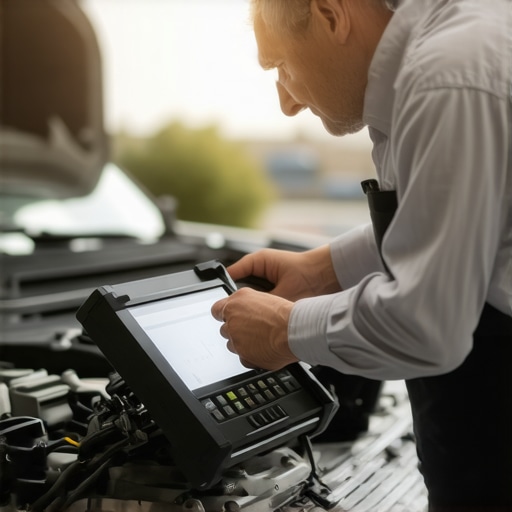
It happened on a dreary Tuesday morning. I was halfway to work when my car suddenly jerked and shuddered like a wild horse rearing up in protest. Panic set in. Here I was, stranded, thousands of dollars poorer in past repairs, and still clueless about what was wrong with my vehicle. It was a harsh lesson in how easy it is to throw money at problems without really knowing what’s going on underneath the hood.
The Lightbulb Moment That Changed Everything
When I finally took my car to a reputable mechanic, I faced the truth: I’d been making costly mistakes by ignoring professional diagnostics. I used to believe that if a car ran, it was fine. But the truth is, many issues lurk beneath the surface—issues that can drain your wallet if not caught early. What I learned was simple yet profound: investing in professional diagnostics can actually save you thousands.
Is Diagnostic Testing Overhyped and Too Expensive?
I admit, at first, I was skeptical. The cost of diagnostic tests seemed like an unnecessary expense, and I wondered if they were just a gimmick to sell more repairs. But my early mistake was ignoring this key step—assuming that a mechanic’s guesswork was enough. I later discovered that modern vehicles are incredibly complex, with numerous interconnected systems. Skipping diagnostics is like flying blind.
In fact, according to Car and Driver, modern vehicles contain dozens of sensors and electronic systems that require specialized tools to interpret. Failing to use these tools can lead to unnecessary replacement of parts, adding up quickly. When I finally embraced diagnostic testing, I realized it’s not just about fixing problems—it’s about preventing them.
Ready to avoid the pitfalls I faced? Today, I’ll guide you through how professional diagnostics can keep your repair costs in check and ensure your vehicle stays reliable longer. If you’ve ever felt overwhelmed or lost when your car acts up, stick around. What I’m about to share could spare you from making costly mistakes and losing precious time and money.
Inspect and Diagnose Before Any Repair
Start by thoroughly assessing your vehicle’s issues. Use professional diagnostic tools to identify error codes and underlying problems. When I faced my steering wobble, I rented a diagnostic scanner to check for wheel alignment and suspension errors—saving me from costly misdiagnoses. Think of diagnostics as a doctor’s exam: essential for pinpointing the exact ailment rather than guessing needed treatments.
Connect Diagnostic Tools Properly
Ensure the scanner or code reader is correctly connected to the vehicle’s OBD-II port, usually under the dashboard. Follow the device instructions carefully; a loose connection can lead to incorrect readings. I once struggled with a faulty connection that delayed my diagnosis, emphasizing the importance of clean contacts and proper attachment. Once connected, read and interpret codes to determine specific components needing attention.
Perform Preventive Tune-Ups and Checks
Regular tune-ups keep your engine running smoothly. Replace spark plugs, air filters, and spark wires at manufacturer-recommended intervals. For example, during my last tune-up, I replaced old spark plugs and cleaned the intake manifold. This process improved my car’s acceleration and fuel efficiency significantly. Think of a tune-up as your vehicle’s vitamin shot—revitalizing its core functions for better performance.
Check and Replace Fluids
Regularly inspect transmission fluid, brake fluid, coolant, and oil. Use a clean cloth or dipstick to evaluate levels and condition. I once ignored dark, sludgy brake fluid, which resulted in a spongy brake pedal. Replacing it revived braking responsiveness and extended the life of my brake system. Proper fluids are like lubricants for your car’s joints—they prevent wear and tear.
Focus on Brakes and Suspension
Brakes are critical for safety, so don’t neglect them. Visit this guide to understand common myths and maintenance tips. During my brake inspection, I noticed uneven pad wear, prompting me to replace rotors and pads simultaneously—preventing further damage and enhancing stopping power.
Test Brake Components
Listen for squeals or vibrations that indicate worn pads or warped rotors. Use a flashlight to inspect pads for thickness; replace if less than 3mm remains. Regularly bleeding brakes ensures hydraulic efficiency; I did this after noticing a soft pedal, resulting in firmer stops afterward.
Address Suspension and Steering One Step at a Time
Stability issues often stem from worn suspension parts. Test for loose or damaged components—ball joints, struts, tie rods—by gently pushing or rocking wheels. I spotted a failing strut by observing uneven tire wear and bouncing during driving. Replacing one strut restored my vehicle’s ride quality instantly.
Identify Common Warning Signs
Recognize symptoms like pulling to one side, uneven tire wear, or unusual noises. Use diagnostic tests and physical inspections to pinpoint issues proactively, saving time and money.
By systematically following these core steps—diagnosing accurately, performing preventive maintenance, and addressing critical components—you’ll not only extend your vehicle’s lifespan but also maintain safety and reliability. Regularly referencing guides like this comprehensive checklist can streamline your maintenance routine. Remember, consistent care replaces costly repairs with confidence behind the wheel.Many car owners believe that routine services like tune-ups and brake repairs are straightforward, simple tasks. However, over-simplifying these processes can lead to costly mistakes. Contrary to popular belief, not every minor engine hiccup warrants an immediate tune-up, and not all brake pads are created equal. For instance, some folks think that replacing spark plugs every year is necessary, but in reality, modern spark plugs often last much longer. Over-maintaining with unnecessary parts can waste money and sometimes even cause damage. One common myth is that all brake pads are compatible with every vehicle; in truth, misjudging pad types can reduce braking efficiency and wear out rotors prematurely. It’s essential to understand that each vehicle requires tailored service schedules, backed by manufacturer recommendations. An advanced mistake many make is neglecting the subtle signs of developing issues, which can be a trap. For example, a slight pulling to one side could indicate uneven brake pad wear or caliper problems, but many ignore it until brakes become noisy or fail completely. Recognizing these early signs is critical. Moreover, some believe that brake squeals always mean the pads are worn out. In reality, sometimes they’re caused by dust or moisture. Applying guesswork instead of diagnostics can cause unnecessary replacements. This is where comprehensive understanding becomes invaluable. During brake service, consulting a professional who uses diagnostic tools ensures you avoid unnecessary parts swaps. Another nuanced aspect is that routine maintenance isn’t just about replacing parts but about preventing system failures. Regularly inspecting brake fluid quality or checking for worn suspension components can prolong your vehicle’s lifespan. Interestingly, studies show that ignoring small issues often leads to more expensive repairs down the line. Going deeper, advanced mechanics focus on the underlying causes rather than just symptoms. For example, a suspension that bounces excessively might seem minor, but if unaddressed, it can affect steering and tire wear, costing more in the long run. Most car owners overlook these details, believing that as long as the car runs, maintenance isn’t urgent. This mindset is risky. Instead, proactive diagnostics and scheduled checkups can reveal hidden issues before they escalate. For instance, understanding the difference between a routine oil change and a comprehensive vehicle inspection is vital for safety and efficiency. Remember, not every service is about immediate fixes; it’s about maintaining harmony among the vehicle’s many systems. Advanced car care demands attention to nuance—recognizing subtle warning signs and knowing when specialized diagnostics are necessary. Consult resources like our [auto repair trends to watch in 2025](https://glassfixauto.com/auto-repair-trends-to-watch-in-2025-staying-ahead-of-the-curve) to stay informed. Have you ever fallen into this trap? Let me know in the comments, and share your experience with overlooked car issues.Maintaining your vehicle over the long term requires more than just basic oil changes and tire rotations. Investing in the right tools and adopting precise methods can make a significant difference in how well your car performs and how much you save on repairs.
Why I Rely on Diagnostic Scanners and Why They Matter
Personally, I swear by quality OBD-II scanners, like the BlueDriver. These devices connect to your car’s port and give you instant error code readings, helping you catch issues before they escalate. For example, when my check engine light came on unexpectedly, a quick scan revealed a misfiring cylinder caused by a faulty ignition coil. Having this data allowed me to replace the part myself and avoid costly mechanic visits.
<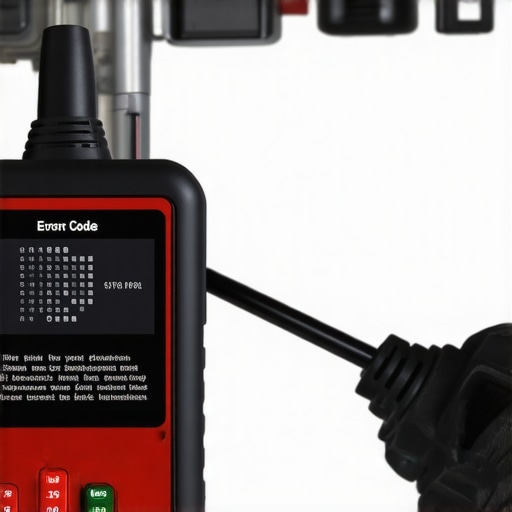 >Understanding how your vehicle communicates problems is crucial. These tools interpret signals from sensors that are often invisible to the untrained eye. As automotive expert John Cadogan notes, “Regular use of diagnostic tools can prevent 80% of premature failures.”
Specialized Software for Accurate Maintenance Planning
Beyond hardware, I recommend using software like Torque Pro or Car Scanner ELM to monitor live data streams. Monitoring parameters such as coolant temperature, fuel trim, and oxygen sensor readings helps in scheduling preventive measures more accurately. For instance, noticing irregular fuel trim values alerted me to potential clogged injectors, which I cleaned proactively.
Consistent data logging over time provides a comprehensive health profile of your engine, allowing you to predict failures and plan maintenance accordingly. This foresight extends your vehicle’s lifespan and improves safety.
Hands-On Tools for Quick Checks and Repairs
Basic hand tools like torque wrenches and a multimeter are invaluable for DIY maintenance. I keep a digital multimeter handy to check sensor voltages and battery health. For brake system checks, a pad thickness gauge helps me determine when replacements are due, aligning with the guidance found in the comprehensive articles hosted on our site.
Using these tools prevents guesswork and minimizes unnecessary repairs. For example, testing brake fluid with a refractometer, as shown in our car service checklist, ensures your brake system operates flawlessly, reducing the risk of failure.
Predicting Trends in Auto Maintenance Tools
Looking ahead, the rise of telematics and AI-driven diagnostic systems will further revolutionize vehicle maintenance. Imagine having an app that alerts you to issues as soon as they’re detected, even when you’re away from the car. Staying informed ensures you’re prepared to act quickly, saving money and avoiding breakdowns.
To get started, I highly recommend trying a professional-grade diagnostic scanner like the Ancel AD310, which balances affordability with comprehensive capabilities. Regularly integrating these tools into your maintenance routine can dramatically improve your vehicle’s reliability.
How do I maintain my vehicle tools to ensure longevity and accuracy?
Regular calibration of digital tools, proper cleaning after use, and storing them in a dry, protected environment are essential practices. Keeping your scanner’s firmware up-to-date guarantees compatibility with the latest vehicle models. This proactive approach ensures your diagnostic data remains accurate over time.
In conclusion, employing the right tools and techniques not only boosts your confidence as a DIY mechanic but also extends your vehicle’s lifespan. Harness these strategies now—start with a quality diagnostic scanner—and reap long-term benefits. For detailed guidance, refer to resources like our auto repair trends to watch in 2025, which highlight emerging technologies in vehicle maintenance.
Over the years, I’ve discovered that the secret to maintaining a reliable vehicle goes far beyond routine oil changes or replacing brake pads. It’s about developing a proactive mindset and understanding the subtle signals your car gives before problems escalate. The biggest lesson I’ve learned is that knowledge truly is power—equipping yourself with the right diagnostics and maintenance strategies can save you both time and money, while keeping you safe on the road.
The Unexpected Wisdom Car Maintenance Taught Me
- Don’t ignore the warning lights or strange sounds: Small clues often indicate bigger issues. Addressing them early is crucial for avoiding costly repairs.
- Invest in quality diagnostic tools: A reliable OBD-II scanner like BlueDriver has empowered me to identify issues before they become emergencies, saving me from unnecessary trips to the mechanic.
- Regular, targeted inspections matter more than reactive fixes: Performing preventive checks—like inspecting brake fluid or suspension components—helps prolong your vehicle’s lifespan.
- Understand your vehicle’s specific needs: Following manufacturer-recommended schedules and consulting specialized resources ensures tailored maintenance that prevents over- or under-servicing.
- Learn to interpret error codes and sensor data: This skill demystifies the vehicle’s communication system, helping you make informed decisions and avoid guesswork in repairs.
Tools and Resources That Elevated My Car Care Routine
- Professional tune-up guidelines: Provides a roadmap for essential maintenance steps that optimize performance and fuel efficiency.
- Emerging diagnostic technologies: Staying informed about future tools helps me plan upgrades to my toolkit.
- Brake system insights: Deepening my understanding has made brake repairs less intimidating and more precise.
- Comprehensive maintenance checklists: Regularly following these keeps my vehicle in top shape and helps me spot issues early.
Your Next Move in Vehicle Mastery
Taking control of your vehicle’s health is an empowering journey. By embracing diagnostic tools, educating yourself on maintenance, and listening to your car’s cues, you can prevent breakdowns, extend its lifespan, and enjoy peace of mind every time you hit the road. Remember, every mile driven is an opportunity to learn and improve your car care skills—so start today and drive confidently into the future.