
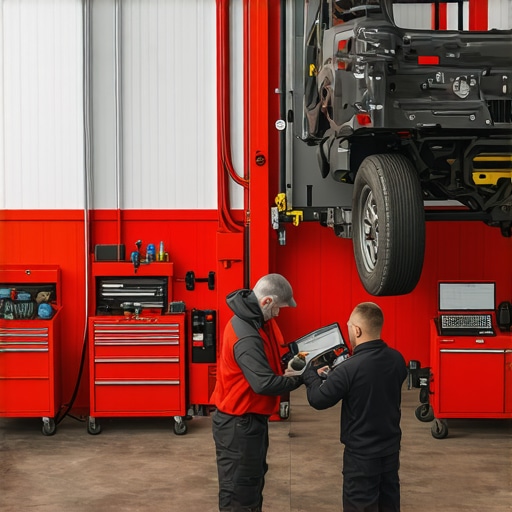
It happened so quickly I barely had time to react. One moment, I was driving home from a weekend trip, and the next, my engine warning light flickered on with a quiet threat. I pulled into a busy oil change chain, expecting a quick, affordable service, only to realize afterward that I’d overlooked some critical details. That wake-up call made me question everything I once believed about these seemingly convenient spots.
Why Quick Oil Changes Might Not Be Giving You the Safety and Savings You Expect
As car owners, our goal is simple: keep our vehicles running smoothly without breaking the bank. But what happens when the convenience of a quick stop comes at the expense of your engine’s health? I learned the hard way that those five-minute oil change places, while tempting, can sometimes cut corners, leaving problems buried beneath the surface until they become expensive headaches. Today, I’ll share what I’ve uncovered about these services and how to avoid common pitfalls.
Is Speed More Important Than Quality? Or Is It Just a Myth?
Let me be honest—I was once seduced by the promise of a quick turnaround, assuming that fast service meant efficiency without compromise. But early on, I made the mistake of trusting a chain that prioritized volume over thoroughness. The outcome? A poorly tightened drain plug resulting in a leak that cost me more to fix than a proper initial service. This mistake taught me that rushing through maintenance can jeopardize safety, and it’s a mistake you want to avoid. For a comprehensive look at how regular tune-ups improve fuel efficiency and safety, check out [this guide](https://glassfixauto.com/how-regular-tune-ups-improve-fuel-efficiency-and-safety).
Are you one of those drivers who thinks, “It’s just an oil change; how bad can it be?” If so, you’re not alone. But spare a moment—because the truth is, overlooking basic maintenance can lead to bigger issues, like engine sludge or worn-out components, which aren’t just costly—they’re dangerous. That’s why understanding what’s going on under the hood is crucial.
So, if you’ve ever left a quick oil change feeling uneasy about what was really done, or if you’re simply curious about how to ensure your vehicle stays in top shape, you’re in the right place. Let’s dive into what to watch out for and how to make sure your car gets the attention it deserves—all without sacrificing your schedule or wallet.
Inspect Fluids Regularly to Prevent Costly Repairs
Begin by checking your engine oil every 3,000 to 5,000 miles or as recommended by your vehicle’s manual. Use the dipstick to ensure the oil level is between the “Min” and “Max” marks. If it’s low or dark, plan to change it promptly. Don’t forget to examine your radiator coolant, brake fluid, transmission fluid, and power-steering fluid monthly. Maintaining proper fluid levels ensures your engine runs efficiently and prevents overheating or component wear.
Replace Air and Cabin Filters for Better Performance
Air filters trap dirt and debris, protecting your engine from harmful particles. A clogged filter reduces airflow, decreasing fuel efficiency and power. I once ignored a dirty filter until my car started sputtering; after replacing it, acceleration improved noticeably. Regularly inspect and replace filters — typically every 12,000 to 15,000 miles — to keep your engine breathing freely. Check out this guide for tips on maintaining your cabin air filter.
Check Tire Pressure and Tread Frequency
Proper tire pressure improves safety, fuel economy, and tire longevity. Use a reliable pressure gauge to verify all tires, including the spare, are inflated to the PSI recommended in your owner’s manual or door jam sticker. Inspect tread depth with a simple penny test—if Lincoln’s head is visible, it’s time for new tires. I once noticed my tires wearing unevenly because I hadn’t checked pressure, leading to a bumpy ride and premature wear. Regular tire upkeep ensures safer driving and savings on replacements.
Perform Brake System Checks to Avoid Surprises
Your brakes are crucial for safety, so don’t ignore signs of wear like squealing, a soft pedal, or vibrations. Confirm pad thickness—if pads are below 1/4 inch, replace them. Also, inspect brake rotors for warping or grooves. I learned the importance of this when my brakes squealed unexpectedly; a quick inspection revealed worn pads and a warped rotor, which I replaced myself with guidance from this resource. Proper brake maintenance keeps stopping distances short and ensures your safety.
Listen for Unusual Sounds and Vibration
Pay attention to any odd noises like clunking, rattling, or squealing. These often indicate problems such as loose components, worn bearings, or damaged belts. For example, I once heard a grinding sound when turning; it turned out to be a failing wheel bearing, which I diagnosed using this method. Catching issues early prevents expensive repairs and keeps your ride smooth.
Schedule Regular Professional Maintenance
While DIY inspections are helpful, professional tune-ups are essential. A trusted mechanic can perform comprehensive diagnostics, check for hidden issues, and replace parts like spark plugs or timing belts before failure. I’ve found that proactive scheduling, guided by your vehicle’s service intervals, extends your car’s lifespan significantly. Staying ahead of maintenance needs reduces breakdowns and costly repairs down the line.
Many car owners believe that as long as their brake pedal feels firm and the car stops when pressed, their brake system is functioning perfectly. However, this misconception masks critical nuances that can compromise safety over time. The truth is, most drivers overlook subtle signs of brake wear and rely heavily on visual cues rather than understanding the complex mechanics at play. For instance, a slight pulsation when braking might be dismissed as warped rotors, but it can also indicate uneven pad wear or issues with the hydraulic system — problems that aren’t always visible to the untrained eye. \n\nProfessional brake service involves more than just replacing pads or rotors; it requires a comprehensive inspection of calipers, brake lines, and fluid condition. Many assume that replacing pads alone solves the issue, but neglecting other components can lead to premature failure or safety hazards. I learned this firsthand when a mechanic pointed out minor leaks in my brake lines during an inspection, which I had completely missed. Regular, detailed inspections prevent accidents and extend the lifespan of your braking system.\n\nAdding complexity to the matter, common myths such as “squealing brakes indicate worn-out pads” can be misleading. Sometimes, brake squeal results from dust accumulation or moisture, not wear, and unnecessary pad replacements can cost you more without fixing the actual issue. According to experts, braking systems should be checked at least once a year or every 12,000 miles to ensure all components function harmoniously. For a detailed overview of brake maintenance and clarifying misconceptions, check out [this resource](https://glassfixauto.com/brake-service-myths-what-you-need-to-know-before-your-next-stop).\n\nSimilarly, during routine tune-ups or general auto repair, professionals often discover underlying issues that drivers might not notice, such as warped rotors or compromised brake fluid. Using high-quality brake fluid and replacing it every 2-3 years is essential, yet many skip this, risking corrosion or decreased braking performance — especially in harsh climates. For advanced drivers wanting to optimize their vehicle’s safety, understanding these nuances can make a significant difference.\n\nWhat most people get wrong is their expectation that a quick, inexpensive brake check is sufficient for safety. In reality, comprehensive diagnostics and periodic maintenance are crucial for preventing costly repairs or dangerous failures. Always consult trusted guides like [this one](https://glassfixauto.com/understanding-brake-system-repairs-a-guide-for-vehicle-owners) to better understand your vehicle’s needs.\n\nHave you ever fallen into this trap? Let me know in the comments. Paying attention to these subtle details ensures your vehicle remains reliable and safe on every journey.Maintaining your vehicle effectively requires the right tools and strategic approach. I personally rely on a high-quality digital code reader like the BlueDriver Bluetooth Professional Diagnostic Scanner. This device connects seamlessly to my smartphone, providing real-time data and trouble code diagnostics without the need for a mechanic. It helps me catch issues early, such as pending CEL (check engine light) warnings, and address them before they escalate. Additionally, I use a genuine magnetic oil drain plug magnet to monitor metal shavings during oil changes, giving me a window into engine wear status. Regularly updating my vehicle’s repair manual app ensures I stay informed on model-specific maintenance procedures, which is crucial for effective DIY service. For scheduling and tracking maintenance intervals, I turn to CarMD, a comprehensive app that integrates vehicle history and service reminders—keeping me on top of everything from fluid replacements to brake inspections.
Prediction: As technology advances, I believe the future of auto maintenance is headed toward smarter diagnostics with AI-powered tools and IoT integrations. Vehicles will increasingly communicate their needs directly to our devices, streamlining maintenance and preventing issues before they manifest.
How do I maintain my tools and keep up with long-term results?
To ensure my tools remain reliable, I clean and calibrate digital scanning devices regularly and store physical tools like wrenches and torque drivers in climate-controlled spaces to prevent corrosion. Tracking your maintenance history with a digital log—either via an app or spreadsheet—helps identify patterns and plan future checkups. Consistent care, such as replacing the spark plug wires every 60,000 miles or inspecting brake pads semi-annually, extends your vehicle’s lifespan significantly. Incorporate routine inspections using these tools, and you’ll reduce expensive repairs. For a more detailed guide on staying proactive with auto care, visit this resource.
Unspoken truths I uncovered about maintaining my vehicle
Learning about car care isn’t just about following a checklist; it’s about understanding what each component does and how neglecting small details can snowball into costly repairs. I realized that trusting quick services without proper oversight often led me to overlook crucial signs of wear, which could have been addressed earlier with a bit more attention and knowledge.
One of my biggest lightbulb moments was recognizing the importance of regular fluid inspections alongside routine oil changes. Fluid levels and quality are silent indicators of your engine’s health, yet many drivers ignore them. Now, I keep a simple maintenance log and prioritize preventative steps, avoiding surprises on the road.
I also discovered that investing in quality tools and resources—like a reliable code scanner and trustworthy repair guides—can empower you to troubleshoot minor issues at home. This not only saves money but also builds confidence. With the right knowledge, I now approach repairs as a collaborative effort with my mechanic rather than a leap into the unknown.
Finally, I have come to value the nuanced differences in maintenance schedules and how climate, driving habits, and vehicle age influence what care is truly needed. It’s about adapting best practices to your specific situation rather than blindly following generic advice, ensuring your vehicle stays safe and efficient for years to come.