
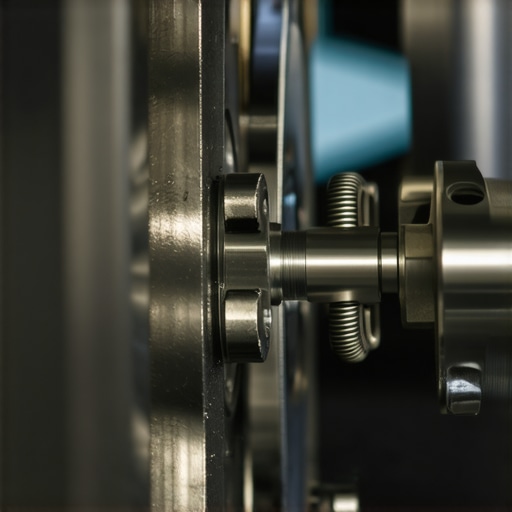
There was a morning not long ago when I was pulling out of my driveway, listening to that unsettling rhythmic squeal coming from the front wheel. My heart sank as I realized—again—that I probably needed a new wheel bearing. It’s a sound that sneaks up on you, sometimes so subtle that you chalk it up to road noise or tire wear. But trust me, ignoring it can lead to costly repairs or even a dangerous breakdown. I remember thinking, “Is my car about to give out on me, or is it something I can fix myself?” That lightbulb moment of uncertainty is what many car owners experience, and it’s exactly what I want to help you avoid.
Knowing When Your Wheel Bearing Is Actually Failing
Understanding the signs of a bad wheel bearing is crucial. Especially because, early on, the symptoms can be mistaken for other issues—like uneven tire wear or suspension problems. My biggest mistake early on was assuming that squealing sound was just wheel noise from rough roads, which led me down a rabbit hole of unnecessary replacements. To truly keep your car safe and avoid wasting money, you need to know how to tell if your wheel bearing is failing with confidence. Today, I’ll walk you through the telltale indications and how to identify which bearing is at fault—saving you from future headaches and ensuring your vehicle’s safety.
Is the Hype About Wheel Bearings Really Worth It?
Before we dive into diagnostics, I want to address the common skepticism. Many folks, including myself at first, wonder if this problem is really as serious as it sounds. Well, here’s the truth: according to automotive experts, a worn wheel bearing can cause uneven tire wear, impaired steering, and even wheel separation in extreme cases—regardless of how new your tires are. Neglecting it could turn a simple fix into a major accident. So yes, diagnosing correctly matters. If you want to get ahead of the issue, you might want to visit trusted sources on brake service myths and more, like this article on brake service myths.
The earlier you identify a failing wheel bearing, the better. I learned this the hard way when I waited just a little too long—leading to a noisy, expensive repair. That’s why I’m sharing my experience to help you avoid the same mistake and get your car back to optimal safety and performance. Ready to learn how you can pinpoint the problem correctly? Let’s move into the practical steps.
Secure Your Vehicle Before Inspection
Park your car on a level surface, turn off the engine, and engage the parking brake. Use wheel chocks on the wheels diagonally opposite the one you’re inspecting to prevent any movement, much like a safety net catching a tightrope walker. This initial safety step is essential to keep your vehicle steady as you work.
Lift the Vehicle Safely
Use a reliable jack and jack stands rated for your car’s weight. Place the jack under the manufacturer-recommended pinch welds or frame points, avoiding suspension components. Gently lift the vehicle until the wheel is off the ground, ensuring it’s stable before proceeding. I once made the mistake of only using a hydraulic lift without proper jack stands, which led to a quick scare. Proper support prevents accidents and gives you peace of mind.
Remove the Wheel
Loosen the lug nuts with a wrench while the car is still on the ground for leverage, then fully unscrew and set them aside. Carefully pull the wheel straight off. Think of this step like unscrewing a giant bolt; firm but gentle pressure prevents stripping the lug nuts and damaging the wheel. Keep the lug nuts clean and in a safe place for reinstallation.
Inspect for External Damage and Play
Visually examine the hub assembly, bearing area, and surrounding components for any visible cracks, leaks, or excessive rust. Grip the wheel at the 12 and 6 o’clock positions and try to wiggle it back and forth. A slight movement is normal, but excessive play indicates a worn bearing. I once felt a noticeable wobble during this test, which instantly pointed me to a replacement necessity. This simple check can be revealing without needing special tools.
Check for Unusual Noises
Spin the wheel slowly by hand and listen closely for grinding, squealing, or clicking sounds. These noises signal roughness or damage inside the bearing—similar to metal grinding against metal. An example: during my first inspection, I heard a gritty sound that made me realize the bearing’s rollers were worn out, saving me from a roadside failure.
Perform the Road Test for Confirmation
Before reassembling, take your car for a short, cautious drive, preferably in a straight line at low speeds. Listen for abnormal noises or vibrations that intensify when turning or accelerating. If the sound or sensation worsens, it confirms a bearing issue. Remember, sometimes a bearing only fails under specific load conditions, similar to how a tire might only lose traction on icy patches.
Reassemble and Monitor
Once you’ve confirmed the problem, reattach the wheel, tighten the lug nuts to manufacturer torque specifications, lower the vehicle, and perform a final tightening check. Keep an ear on your vehicle’s behavior for the next few drives. Regular checks can prevent sudden breakdowns, similar to how routine tune-ups help maintain overall health. For long-term maintenance tips, visit maximize your car’s lifespan.
Many car owners operate under assumptions that can lead to subpar maintenance choices or unnecessary repairs. A prevalent misconception is that a basic tune-up is a one-time fix, when in fact, vehicle needs evolve with age and usage, requiring periodic reassessment. Contrary to popular belief, not all auto repairs are equal—some practices, like relying solely on DIY solutions without proper diagnostics, can do more harm than good. For instance, changing spark plugs without inspecting the ignition system might mask underlying issues, leading to repeated failures.
What do mechanics know that you don’t about diagnosing engine problems?
Expert technicians utilize advanced diagnostic tools that far surpass typical manual checks, identifying subtle issues such as early-stage sensor failures or ECU glitches. A study in the Automotive Technology Review highlights that proper diagnostic procedures can prevent up to 30% of unnecessary repairs and save vehicle owners significant money.
Another trap many fall into relates to brake service. The myth that all brake pads are equally durable often leads to choosing cheaper options that wear out faster, costing more over time.
Moreover, neglecting routine inspections can be detrimental—what seems like a minor squeal might indicate a failing brake rotor, which, if ignored, could compromise safety and lead to costly replacements.
In the realm of auto repair trends, staying ahead means understanding that technology is constantly evolving. Tools like predictive maintenance devices are becoming standard, allowing for proactive repairs rather than reactive fixes.
Don’t fall into the trap of assuming cheap fixes are always money-savers. The hidden nuance is that investing in quality parts and expert service can dramatically extend the lifespan of your vehicle and ensure safety. Remember, regular tune-ups and maintenance are more about prevention than repair—saving you money in the long run.
Have you ever fallen into this trap? Let me know in the comments, and share your own lessons learned from overlooked vehicle issues.
Essential Tools for Auto Maintenance
When it comes to ensuring your car stays reliable over the years, investing in the right tools makes all the difference. I personally rely on a high-quality cordless impact wrench, which allows me to quickly remove and tighten lug nuts without the hassle of manual effort. This tool not only saves time during tire rotations but also ensures proper torque application, crucial for safety. Additionally, a digital multimeter is indispensable for diagnosing electrical issues, such as checking battery health or testing sensors. I prefer models with auto-ranging features and backlit screens, as they provide quick, accurate readings even in low-light situations. For inspecting brake components, a set of precision dial indicators helps measure runout and detect uneven wear, preventing major failures down the line.
Diagnostic Software and Equipment
Modern vehicle maintenance leverages advanced diagnostic tools to identify problems before they escalate. I recommend investing in an OBD-II scanner that can read and clear diagnostic trouble codes and access live sensor data. The one I use supports Bluetooth connectivity, pairing with my smartphone, which simplifies on-the-go troubleshooting. This technology allows me to monitor real-time data from components like the ABS sensor, throttle position, and ignition system—essential for keeping brakes and engine systems performing optimally. Keep in mind, as industry experts predict, diagnostic devices will evolve to incorporate AI-driven analyses, enabling even more proactive maintenance.
Scheduled Maintenance: Your Car’s Long-Term Ally
Regular maintenance is the foundation of vehicle longevity. Following scheduled service intervals—such as oil changes, brake fluid replacements, and filter swaps—can prevent small issues from turning into costly repairs. I utilize a digital maintenance log that reminds me of upcoming service dates and tracks component wear over time. This proactive approach helps me plan ahead, ensuring my car receives attention before problems manifest on the road. According to automotive specialists, engaging in routine inspections extends vehicle lifespan and enhances safety, as highlighted in this comprehensive guide.
How do I keep my car in top shape over time?
Maintaining your vehicle’s health doesn’t have to be daunting. Focus on using diagnostic tools to catch issues early, schedule regular service visits, and always adhere to manufacturer-recommended maintenance practices. For example, periodically inspecting brake systems with a digital caliper can reveal uneven pad wear before it causes squeals or vibrations. Remember, a well-maintained car isn’t just safer—it also runs more efficiently and saves you money in the long run. For deeper insights on maintenance strategies and the latest trends, check out this resource. Don’t hesitate to experiment with advanced techniques, like using a diagnostic scanner to monitor your car’s health regularly, and watch as your reliability improves.
Investing in quality tools and staying disciplined with routine maintenance will pay dividends. Why not try using an OBD-II scanner to perform a comprehensive health check on your vehicle this weekend? It’s a small step that can uncover hidden issues and keep you ahead of costly repairs. Remember, proactive care is always cheaper and easier than repairing after damage occurs. Happy driving!
,
Lessons That Changed How I Handle Tune-Ups and Repairs
- Never Ignore Early Signs: That squeal from the wheel? It was my warning signal, and ignoring it almost led to a costly breakdown. Recognizing subtle symptoms like slight play or unusual noises can save you a lot of money and danger down the road.
- Proper Tool Selection Matters: Investing in quality diagnostic tools and lifts transformed my ability to diagnose issues accurately. Reliable equipment isn’t just a convenience—it’s a safety net that prevents small problems from becoming emergencies.
- Regular Maintenance Is an Ongoing Process: Routine inspections and scheduled tune-ups have been my best allies. They help catch wear and tear early, especially with vital components like brake systems and wheel bearings, extending the lifespan of my vehicle.
- The Power of Knowledge Over Assumption: Learning how to perform basic inspections and understanding common signs of failure have empowered me to troubleshoot confidently. This knowledge prevents costly guesswork and unnecessary repairs.
- Community and Expert Advice Are Invaluable: Engaging with trusted resources, such as automotive blogs and professional technicians, keeps me informed about the latest repair trends and myths to avoid.
Tools and Resources That Became My Auto Care Compass
- Industry-leading diagnostic software: I rely on these tools for real-time insights that prevent guesswork and guide effective repairs.
- Expert-recommended tune-up strategies: This resource helped me develop a proactive maintenance schedule, saving me from unexpected breakdowns.
- Brake system maintenance guides: Knowledge is power—knowing how to inspect and care for brakes has made me feel more secure behind the wheel.
- Comprehensive vehicle checklists: Using checklists ensures I don’t overlook the small details, maintaining my car’s peak performance.
Your Next Step Toward Confident Auto Maintenance
Taking control of your vehicle’s health is a journey filled with learning and empowerment. Whether it’s diagnosing noisy wheel bearings or understanding when a brake service is due, your proactive approach can make all the difference. Don’t wait for a breakdown—start integrating these insights today, and watch how your confidence and car’s longevity grow. What auto maintenance step have you been avoiding that could prevent a major issue? Drop your thoughts below and let’s learn together!