
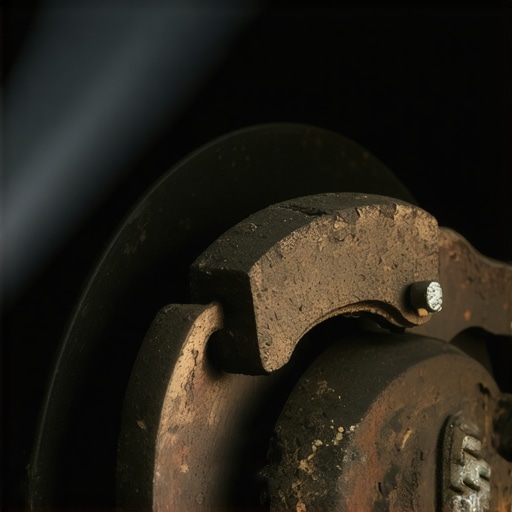
I remember the day it happened vividly. I was cruising down the street, braking at a stop sign, and suddenly, the pedal felt soft. My heart sank. It wasn’t just a squeak or a minor wobble—my brakes were failing. Turns out, that cheap brake pad I impulsively bought to save a few bucks was the culprit. That lightbulb moment taught me a hard lesson: not all brake pads are created equal, and cheap ones can silently compromise your safety.
Why Choosing Budget Brake Pads Can Be a Costly Mistake
When it comes to our cars, especially critical components like brakes, skimping on quality can lead to much bigger expenses—and dangers—down the line. I learned this early on after a quick swap for cheap brake pads, thinking I was saving money. Within months, I faced uneven wear, increased stopping distances, and eventually, costly rotor replacements.
Did you know that over 70% of brake failures are linked to poor-quality parts or improper installation? According to experts at GlassFix Auto, investing in high-quality brake components isn’t just about performance; it’s about safety and peace of mind.
Are you worried that upgrading your brake pads might break the bank? Trust me, I felt the same. But what I didn’t realize back then is that cheap parts often lead to more frequent repairs and even accidents. So, today, I want to share what I’ve learned about avoiding these pitfalls and choosing the right brake pads for your vehicle.
By understanding the hidden dangers behind cheap brake pads, you can make smarter decisions that save your wallet and your life. Stick around—there’s a lot to cover, and prevention is always better than cure. Ready to dive into the practical steps? Let’s go.
Prepare Your Workspace and Gather Supplies
Before diving into brake pad replacement, ensure your vehicle is parked on a flat surface and securely lifted using jack stands. Gather necessary tools: a socket set, brake caliper piston compressor, screwdrivers, and new brake pads. Wearing gloves and safety glasses is vital for protection. During my last brake job, I laid out all tools beforehand, which saved me from frantic searching and potential mistakes. This initial setup phase sets the tone for a smooth process.
Loosen and Remove Old Brake Pads Carefully
Start by removing the wheel to access the brake assembly. Loosen the caliper bolts with a socket wrench—be cautious not to force anything. Carefully detach the caliper, supporting it so as not to strain the brake hose. Then, extract the worn brake pads. Think of this step as removing worn-out shoe insoles before fitting new ones; you want a clean slate for optimal performance. During my first replacement, I struggled with stuck calipers, but applying penetrating oil and patience made it easier.
Compress the Caliper Piston to Fit New Pads
Next, use a brake caliper piston compressor or a C-clamp to push the piston back into the caliper housing. This action creates space for the thicker brake pads. Visualize it like squeezing a balloon—if the piston is overextended, it won’t fit new, thicker pads. Remember, compressing the piston correctly ensures proper pad contact and prevents brake drag. In my experience, ignoring this step causes uneven braking and accelerated wear.
Install New Brake Pads and Reassemble Components
Position the new brake pads in the caliper, aligning them with the rotor. Reattach the caliper and tighten bolts according to manufacturer torque specifications. Think of this like snapping a puzzle piece into place—precision here ensures safe operation. Then, replace the wheel and lower the vehicle carefully. Remember to pump the brake pedal several times to seat the pads properly. This final step guarantees the calipers and pads make optimal contact, avoiding a spongy brake feel.
Finalize Checks and Test Drive
Start the engine and apply firm, steady pressure to the brake pedal to ensure the pads are firmly seated. Listen for unusual sounds or vibrations—these are signs of improper installation. Take a cautious test drive in a safe area, gradually increasing braking force. During my last brake pad swap, a quick test ride revealed a slight squeal, prompting me to double-check the caliper bolts. Proper testing is non-negotiable for safety and performance.
Remember Maintenance and Follow-Up
After completing the replacement, inspect the entire brake system for leaks, rust, or damage. Regularly check your brake pads’ thickness and replace them before they wear down completely. Keeping a maintenance log helps track wear patterns and anticipate future service needs. For more tips on keeping your vehicle in top shape, visit this comprehensive car service checklist. Staying proactive ensures your brakes perform flawlessly, safeguarding your journeys every time.
Many car owners operate under misconceptions about tune-ups, auto repairs, and brake services, often leading to costly mistakes. A prevalent myth is that all mechanic shops are equally reliable, but in reality, the quality of service varies greatly, and some shops push unnecessary repairs. This can be especially deceptive if the shop emphasizes quick fixes over comprehensive diagnostics. For instance, a simple brake squeal might be dismissed as routine wear, yet it could indicate emerging caliper issues or uneven pad wear, which demand attention before they escalate.
Another misconception revolves around the idea that routine maintenance is optional or can be deferred indefinitely. However, neglecting regular tune-ups or brake inspections can lead to severe engine damage or brake failure, respectively. According to experts at this guide, proactive maintenance extends vehicle lifespan and enhances safety.
Advanced car care fans might believe that all auto repairs are straightforward and require only basic skills. But in reality, many repairs involve complex systems like the ABS or transmission, where improper handling can cause further harm. For example, attempting to DIY a brake bleed without understanding the ABS module could inadvertently cause air entrapment, leading to spongy brakes. It’s crucial to recognize the nuance that each vehicle’s make and model might require specialized procedures.
One trap that often ensnares even seasoned car enthusiasts is the assumption that synthetic oils and high-quality parts negate the need for regular inspections. Yet, studies show that even the best oils break down over time, and parts wear out unpredictably. Regular diagnostics can reveal issues like underperforming sensors or leaks that aren’t immediately visible. For more on this, check out this expert advice.
From my experience, the hidden nuance lies in understanding the system interactions; for instance, a faulty brake booster might cause pedal firmness issues that appear unrelated to brakes at all. Recognizing these interconnected symptoms requires a trained eye and analytical approach—something not always apparent during a quick shop visit.
In summary, most people get wrong the importance of thorough diagnostics, the value of experienced mechanics, and the subtle signs indicating impending failure. Being aware of these nuances can prevent small issues from becoming emergencies. Have you ever fallen into this trap? Let me know in the comments.
Keep It Going with the Right Tools and Techniques
Maintaining your vehicle’s optimal performance isn’t just about replacing parts— it’s about having the right equipment and routines to keep everything running smoothly over the long haul. Personally, I swear by a set of quality diagnostic tools and specialized maintenance gear that allow me to identify issues early and perform precise repairs. This proactive approach saves time and money, ensures safety, and extends your vehicle’s lifespan.
One indispensable tool I’ve found invaluable is an obd2 scanner like the BlueDriver Bluetooth Professional OBDII Scan Tool. I use it during routine check-ups to quickly read trouble codes, monitor real-time data, and catch minor engine issues before they escalate. This device pairs effortlessly with my smartphone, providing detailed diagnostics that streamline my maintenance schedule. Regular scans help me stay ahead of potential problems highlighted in this expert guide.
In addition, I rely on precision tools such as a digital torque wrench, which ensures I tighten nuts and bolts to manufacturer specifications. Proper torque application is critical for components like brake calipers and suspension parts, preventing uneven wear and steering problems. Investing in a quality torque wrench like the GearWrench Electronic Torque Wrench has paid off by avoiding over-tightening that can cause damage.
For fluid maintenance, I prefer an infrared temperature gun to check radiator and oil temperatures during tests. This helps me assess whether cooling systems are functioning correctly, and I can spot signs of overheating early. Routine thermal inspections, paired with fluid tests, support the advice found at this resource.
How do I maintain my car’s performance tools over time?
Maintenance of tools is just as vital as the vehicle itself. I regularly calibrate my diagnostic scanners to ensure accuracy, clean and lubricate mechanical tools, and replace batteries and sensors promptly. Proper storage—keeping tools in a dry, organized toolbox—prevents corrosion and damage, especially for sensitive electronic equipment. Following these practices helps me deliver consistent, reliable service and prevents costly repairs down the line.
Looking ahead, the trend is moving towards integrated, smart tools that connect directly with vehicle systems, offering more comprehensive diagnostics and maintenance alerts. As these advancements become more accessible, vehicle owners will benefit from even more precise and proactive care. For now, investing in quality, specialized equipment — like a digital torque wrench, infrared temperature gun, or Bluetooth OBD2 scanner — is an excellent way to empower yourself with the means to maintain your vehicle effectively.
If you’re serious about long-term maintenance, I highly recommend trying a comprehensive diagnostic check with a trend-focused scan tool. It might just unveil hidden issues you never suspected, saving you from costly repairs later. Remember, staying attentive to your vehicle’s needs is the best way to keep it running at peak performance for miles to come.
My experience with cheap brake pads taught me that cutting corners can have serious consequences. The lesson extended beyond just individual repairs; it fundamentally changed how I evaluate vehicle safety. Choosing high-quality brake components isn’t just about better performance, but about protecting your loved ones and yourself from preventable accidents. Remember, a seemingly small investment today can prevent devastating costs and dangers tomorrow.
Learning the True Cost of Skimping on Brake Quality
Initially, I believed saving money by opting for budget brake pads was a smart move. However, the recurring repairs, decreased safety, and near-miss accidents proved otherwise. The real expense wasn’t the initial price tag but the mounting dangers and repair bills that followed. Experts at GlassFix Auto emphasize that investing in quality brakes defines the difference between a smooth ride and a catastrophe.
The Moment I Discovered Better Choices
Switching to reputable brands like Akebono or Bosch transformed my safety experience. These brands offer superior materials that resist heat, reduce brake fade, and last longer. My advice? Always research and opt for trusted manufacturers rather than the cheapest option available. It’s a small price to pay for peace of mind on every trip.
Beyond Parts: The Power of Routine Checks
Even the best brake pads can falter without proper maintenance. Regular brake inspections, fluid checks, and timely replacements create a safety net, making sure you’re prepared for unexpected stops. Consider routines similar to dental check-ups—preventative care that saves you from costly emergency repairs. Curious about effective schedules? Visit this maintenance checklist.
A Final Thought: Your Vehicle’s Safety Is in Your Hands
Every detail matters when it comes to vehicle safety, and the choice of brake pads is no exception. Think of it like selecting the right shoes—comfort, durability, and support matter more than the price tag. Making informed decisions now ensures safer journeys and longer vehicle life. As I learned firsthand, the best investment is in your own safety and that of your passengers.
Insider Wisdom on Brake Pad Choices That Changed My Perspective
- Not all prices reflect quality: The cheapest options often come with hidden costs and safety risks.
- Brand reputation matters: Stick to trusted names to guarantee performance and safety.
- Maintenance is non-negotiable: Regular inspections can prevent accidents and extend brake lifespan.
- Listen to your intuition: If something feels off during braking, get it checked immediately.
- Safety over savings: Prioritize personal safety — your vehicle is an extension of yourself.
My Must-Have Tools for Autonomy and Peace of Mind
- OBD2 Scanner: The BlueDriver is reliable for diagnosing hidden issues early.
- Torque Wrench: Ensures your bolts are correctly tightened, preventing unsafe situations.
- Infrared Temperature Gun: Useful for checking rotor temperatures and detecting brake overheating.
- Protective Gear: Always wear gloves and safety glasses—never compromise your safety during repairs.
Take Charge of Your Brake Safety Today
Discovering the importance of quality brake pads was a turning point in my automotive journey. Now, I encourage you to review your own brake system, ask questions, and prioritize safety. Remember, routine maintenance combined with informed choices keeps your vehicle—and everyone on the road—safer. Are you ready to make your brakes a priority? Share your own experiences below and let’s learn together.