
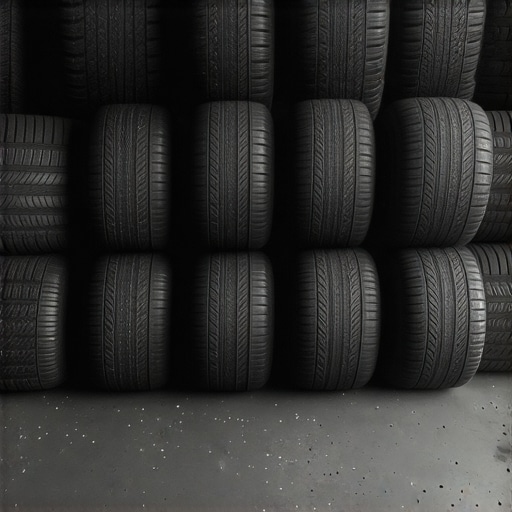
It was one of those early spring mornings—I reached into the garage, ready to swap out my winter tires for my summer set, and immediately noticed something was off. The tires I carefully stored last season looked a little worse for wear: cracked sidewalls, faded rubber, and some vague understanding that I might have just shortened their lifespan without even realizing it. That lightbulb moment hit me hard. “Why am I wasting good money on new tires when simple storage mistakes might be undoing all my effort?” From that day, I became determined to learn the correct way to store winter tires, so I could get the most out of every tire and save some cash.
Your Tires Deserve Better Storage Than a Random Corner
Storing your winter tires properly isn’t just about keeping the garage tidy. It directly impacts how long your tires last and how well they perform once back on the road. Believe it or not, improper storage can cause premature cracking, uneven wear, and gone are the days when tires just naturally lasted through a few seasons. According to experts, inadequate storage is a leading cause of tire failure, and applying the right techniques can extend their life by months—or even years. My own early mistakes, like stacking tires without thought or letting them sit in direct sunlight, taught me a valuable lesson: storing tires the right way makes all the difference.
Is All the Fuss About Proper Storage Really Worth It?
I used to think that tossing my tires in the basement or garage was fine—until I noticed how much faster they aged compared to my neighbor’s tires, who stored theirs in a controlled environment. The frustrating part? I was doing more harm than good with my casual approach. From neglecting to clean the tires before storing to stacking them improperly, my mistakes were costing me money in the long run. If you’re like me, you’ve probably wondered whether all these storage tips are really necessary. Trust me, the difference is clear—and absolutely worth the effort. To stay ahead, I turned to reputable sources and learned that proper storage isn’t just a myth, but a proven method to maximize your tires’ lifespan. Want to give your tires the respect they deserve? Keep reading—next, we’ll dive into the practical steps to store tires correctly and keep them in top shape until next season.
Clean and Inspect Each Tire Thoroughly
Before storing your winter tires, start by cleaning them with water and a mild detergent to remove dirt, salt, and grime that can cause rubber deterioration. Use a soft brush to scrub the tread and sidewalls gently. After cleaning, inspect each tire for signs of damage like cracks, cuts, or punctures. Address minor repairs promptly or consult a professional if necessary. When I did this step last season, I discovered a small crack on one tire that could have worsened if left unnoticed, reminding me of the importance of thorough inspection.
Decide on the Optimal Storage Method
Keep Tires Upright or Stacked
Store tires vertically by placing them on a rack or shelf to prevent warping, similar to how a mirror stays flat on a wall. If space is tight, stacking tires is acceptable but only if they are clean and free of damage. Avoid stacking tires with heavy objects on top to prevent deformities. I once stacked a set of tires haphazardly, and one developed a flat spot, which affected riding quality after reinstalling. Proper stacking technique avoids such issues and extends tire life.
Protect from Sunlight and Elements
UV rays and extreme temperatures accelerate rubber aging. Store tires in a cool, dark place—like a basement or interior closet. Use protective covers or plastic bags, sealing them to block out moisture and light. I wrapped my tires in large plastic bags, which kept them supple and prevented cracking throughout the off-season, proving the value of controlled environments.
Ensure Proper Positioning and Handling
When moving tires, lift with your legs—not your back—to prevent injuries. Place them carefully to avoid dropping or dragging, which can cause damage. If you have a set of four tires, arrange them in a manner that prevents deformation—either upright or stacked, following the manufacturer’s recommendations. During my last storage, I used a cart to move tires without dragging, maintaining their condition and making retrieval easier next season. This simple step saves money by avoiding unnecessary replacements or repairs.
Optional: Balance and Label for Easy Reinstallation
If you plan to store tires for an extended period, consider balancing them to ensure even wear when reinstalled. Also, label each tire with its position (front-left, rear-right) to streamline reinstallation, saving time and effort. I once forgot which tire went where, leading to uneven wear, but labeling solved this issue. Simple organization techniques like this help maintain your vehicle’s optimal performance and safety.
Remember No Dints or Dents, Just Proper Care
Consistently applying these storage techniques preserves the integrity of your tires and ensures safer, longer-lasting performance. When in doubt, consult a trusted auto repair expert—like those at GlassFix Auto—to review your storage setup or for professional advice on tire longevity. Proper maintenance extends beyond just tires; for critical vehicle aspects like brake systems, explore brake system repair guides. Keeping your car in top shape isn’t just about tires but an integrated approach to safety and efficiency.Many car owners believe that basic maintenance tasks are straightforward and require little more than routine checks. However, this oversimplification can lead to costly mistakes and overlooked issues. One of the biggest myths is that all brake pads are created equal—when in fact, choosing the wrong type or neglecting proper installation can drastically reduce their lifespan and safety. Proper brake service isn’t just about replacing pads; it involves inspecting rotors, calipers, and brake fluid, which many forget. Rushing through a tune-up without understanding each component’s condition may seem efficient, but it often results in missed underlying problems that can escalate. Advanced enthusiasts know that neglecting to calibrate sensors or failing to replace transmission fluid at the right intervals can cause uneven wear and higher repair costs down the line. A common trap is assuming that a mechanic can always diagnose issues immediately, but many complex symptoms require detailed diagnostics—something that casual inspections miss. According to industry experts, skipping diagnostic checks can lead to unnecessary part replacements and even safety hazards. For example, a spongy brake pedal might indicate a master cylinder problem, not just worn pads; ignoring this nuance risks brake failure. Moreover, many underestimate the importance of regular tune-ups—they not only improve fuel efficiency but also prevent unexpected breakdowns. Visiting a trusted auto repair shop, like GlassFix Auto, for scheduled inspections ensures early detection of issues not visible to the untrained eye. Advanced car care also means staying updated with trends—like the move towards hybrid and electric vehicles—which require different maintenance approaches, as discussed in auto repair trends for 2025. So, next time you’re thinking a simple fix will do, consider the nuanced details overlooked by many. Let me know in the comments—have you ever fallen into this trap?Maintaining your vehicle over time requires the right tools, knowledge, and consistent effort. Personally, I rely on a few specialized equipment pieces that make a significant difference in diagnosing and addressing auto issues early before they become costly repairs. For example, an OBD-II scanner like the BlueDriver Bluetooth Pro has become invaluable in my toolkit. It allows me to read diagnostic trouble codes, clear them, and even monitor live sensor data from my smartphone. This means I can catch engine misfires, sensor failures, or emissions issues before they trigger the check engine light or cause long-term damage. Additionally, I swear by a good-quality torque wrench. Proper torque on bolts—especially when performing brake service or suspension work—is essential not only for safety but also for the longevity of parts. It’s a small investment but one that saves me from headaches and unnecessary part replacements down the line. To keep these tools in tip-top shape, I routinely calibrate my torque wrench and update my scanner’s software by connecting it to software providers’ websites. Looking ahead, I predict that as vehicle electronics become more complex, DIY diagnostics will lean heavily on affordable, user-friendly diagnostic tools integrated with mobile apps, perhaps even with AI-guided troubleshooting. Staying ahead means not just reacting to issues but actively monitoring and maintaining your vehicle’s health. When it comes to long-term results, consistent use of these tools has helped me extend the service life of my car, reduce trips to the mechanic, and improve overall safety. For instance, understanding how to interpret fault codes can guide me on whether a simple oil change or more serious attention is needed, complementing routine tune-up strategies. How do I maintain my vehicle over time? By setting regular maintenance checks, like inspecting brake pads and changing fluids, and using the proper diagnostic tools to catch small issues early. I recommend trying out a professional-grade scanner if you haven’t already—many now are budget-friendly and provide insights that used to require a trip to the shop. Remember, catching issues early not only saves money but ensures your safety on the road. As the automotive world evolves, tools like the Autel MaxiDiag Elite are transforming how enthusiasts and professionals alike approach vehicle maintenance. Equip yourself with these essential gadgets and embrace proactive care for your car.
From my experience, proper tire storage is an often overlooked yet crucial aspect of vehicle maintenance that can save you money and ensure safety. I once thought tossing tires in a corner was enough, but the difference in tire health and performance became painfully apparent over time. Learning the ins and outs of storing tires correctly transformed my approach—leading to better performance and longer-lasting tires.
Lessons from the Garage That Changed Everything
- Not all storage methods are created equal: Storing tires upright on a rack prevents deformation, while improper stacking can cause flat spots that affect driving comfort and safety.
- Temperature and light matter: Keeping tires in a cool, dark place slows rubber aging, while exposure to sunlight accelerates cracking and fading.
- Cleanliness is key: Thoroughly inspecting and cleaning your tires before storage helps identify damages early and protects against deterioration caused by dirt and salt.
- Organization saves time: Labelting tires based on their position before removal makes reinstallation effortless and maintains balanced wear.
- Invest in quality storage materials: Using protective covers or sealable plastic bags can shield tires from environmental damage, preserving their integrity over the off-season.
Tools and Resources That Made All the Difference
- Regular tune-up guides helped me understand how maintenance influences tire longevity.
- My trusted local auto shop offers expert advice tailored to my vehicle, reinforcing best practices.
- Quality storage equipment like tire racks and covers, available at auto parts stores, facilitate safe and effective storage routines.
- Educational content from industry experts, such as future trends in auto repair, help me stay ahead of maintenance innovations.
Your Next Step in Tire Confidence
Embracing proper tire storage is more than an extra step—it’s a mindset that pays off in safety, savings, and peace of mind. Taking action now ensures your tires perform at their best when you need them most. Remember, a small investment in storage solutions and a keen eye for tire health can prevent costly repairs down the line.
What has been your experience with tire storage or maintenance? Share your stories below—your insights might help someone else start their journey on the right foot.
}# Conclusion: Making Tire Storage Second Nature For Long-Term Savings and Safety