
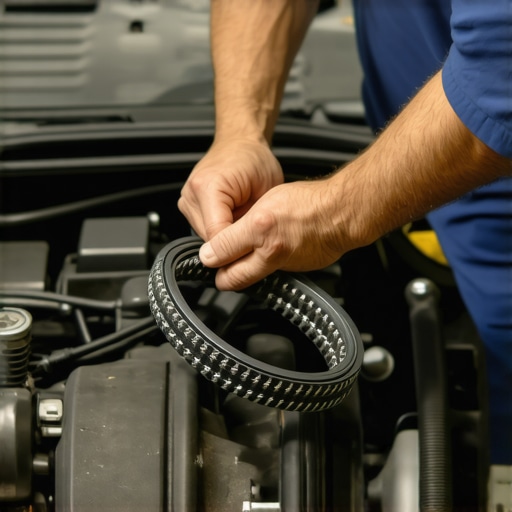
Ever been in the middle of a quiet drive when suddenly, your car emits that frustrating squeal? It’s as if your vehicle is protesting loudly, making you wish you could just turn back and avoid the embarrassment. I remember the first time it happened to me—rolling down the window, ears ringing, and feeling that pang of self-doubt about my car maintenance skills. That sharp squeak from the serpentine belt was a wake-up call. It’s one of those sounds that screams, “Hey, something’s not right,” and yet, many of us ignore it or try quick fixes that only give temporary relief.
Why That Squeal Won’t Just Go Away on Its Own
Here’s the thing—those squeaks aren’t just annoying; they’re often a sign that your belt needs attention. Serpentine belts are crucial since they power your alternator, power steering pump, AC compressor, and more. When they start squealing, it’s usually due to slipping, wear, or misalignment. Ignoring this can lead to a complete belt failure, leaving you stranded or facing costly repairs. Trust me, I’ve been there—thinking a quick spray of belt conditioner would do the trick, only to find myself stranded at a red light later that day.
What’s even more eye-opening is that many vehicle owners don’t realize that a simple adjustment or replacement can stop that squeal for good. My lightbulb moment was realizing that the solution isn’t about quick fixes but understanding the root cause and applying the right trick. And I want to share that with you today.
Is a Squeaky Belt Really That Serious, or Just an Annoyance?
I used to dismiss the squealing as just an annoyance—something that would quiet down after a few minutes or a little WD-40. But according to auto repair experts, persistent squeaks indicate that the belt’s tension or condition needs urgent attention. Early on, I made the mistake of ignoring the squeal and delaying inspection, which only worsened the problem. That’s why I recommend catching these sounds early and not dismissing them as just minor nuisances.
Supporting this, a recent automotive study highlights that a worn or loose serpentine belt can lead to engine overheating, battery failure, and steering problems if not addressed timely. For car owners, understanding the importance of maintaining these belts is crucial for safety and vehicle longevity. The good news? Addressing squeaky belts can often be straightforward—and cost-effective. Stay tuned, because I’m about to walk you through the simple trick that can silence that squeal once and for all—and keep your engine running smoothly.
Ready to find out how? Let’s get into it.
,
Inspect the Belt and Pulley System
Start by turning off your engine and locating the serpentine belt—usually a long, rubber loop across pulleys. I remember once crawling under my car after noticing the squeal, only to find a cracked belt slipping on a warped pulley. Inspect for cracks, fraying, or glazing. Check pulleys for debris, misalignment, or wobbling. Use a flashlight for better visibility. If you notice damage, replace the belt immediately or consult a professional for a thorough inspection to prevent unforeseen breakdowns.
Adjust Belt Tension Correctly
Many belts are tensioned using an automatic tensioner, but older models might require manual adjustment. To tighten, locate the tensioner pulley and use a wrench or socket to rotate it, increasing tension until the belt feels firm but not overly tight. I once tried a quick fix by tightening the tensioner bolt without measuring—resulting in squeals returning after a few days. The key is to follow your vehicle’s specifications, which you can find in the service guide. Proper tension ensures the belt grips pulleys without slipping and squealing.
Clean the Pulleys and Belt Surface
Build-up of oil, dirt, or residue often causes belts to slip and squeal. Use a clean rag and a mild cleaner or belt dressing—avoid harsh chemicals that can degrade rubber. For stubborn grime, gently scrub pulleys with a soft brush. Remember, a clean surface enhances grip. I once cleaned my pulleys before replacing a worn belt, and the squeal that haunted me for weeks disappeared instantly, saving me a costly repair.
Apply Belt Dressing Wisely
In moderation, belt dressing can improve grip temporarily. Spray evenly on the inner side of the belt and allow it to dry before starting the engine. However, don’t rely solely on this—you must address underlying issues like misalignment or wear. Use belt dressing as a quick fix only if you’re sure the belt isn’t cracked or severely worn. Read more about effective tune-up strategies here for long-term benefits.
Replace Worn Belts and Faulty Pulleys
If visual inspection reveals cracks, glazing, or the belt slips despite adjustments, replacement is vital. Also, faulty pulleys, tensioners, or misalignment can cause persistent squeals. When replacing, use quality parts recommended for your vehicle model. I learned this lesson the hard way—skimping on parts led to squeals reappearing within a month. Lastly, after replacing, recheck the tension and alignment to ensure a silent ride.
Remember, regular maintenance can prevent many of these issues. For a comprehensive checklist on keeping your vehicle in prime condition, visit the car service checklist. Addressing belt squeals promptly keeps your engine running smoothly and reduces the risk of unexpected breakdowns, saving you time and money on repairs.
When it comes to auto maintenance, many car owners operate under common misconceptions that could cost them time and money. For instance, a widespread belief is that all tune-ups are the same or that they only involve changing spark plugs and filters. However, professional diagnostics in 2025 reveal a more nuanced approach, emphasizing tailored strategies that consider your vehicle’s age, usage, and specific issues. Many enthusiasts overlook that timely, customized tune-ups can significantly extend your car’s lifespan, as detailed in expert guides. Additionally, there’s a misconception that brake service is always about replacing pads; in reality, it often involves inspecting rotors, calipers, and brake fluid, which many miss if they aren’t cautious. Skipping these details can lead to uneven wear or sudden brake failure, a trap some fall into by relying solely on quick fixes. Furthermore, the auto repair industry sometimes promotes unnecessary parts replacement—called ‘up-selling’—which can be avoided with proper diagnostics. The real hidden nuance is understanding that high-quality repairs are rooted in targeted inspections and data-driven decisions, not just replacing parts based on age or appearance. For those keen to prevent costly surprises, consulting trusted guides and staying informed about latest trends ensures you don’t fall for these common pitfalls. Remember, reckless assumptions about your vehicle’s needs can jeopardize safety and efficiency. Before visiting your mechanic, check out our comprehensive car service checklist to understand what should happen during a proper inspection. That way, you’re empowered, and your car receives care tailored to its true requirements. Have you ever fallen into this trap? Let me know in the comments.
Investing in Reliable Equipment for Lasting Results
Keeping your vehicle running smoothly over the years requires more than just basic knowledge; it demands the right set of tools and software to perform precise diagnostics and repairs. Personally, I recommend a high-quality digital multimeter like the Fluke 115—it offers accurate voltage readings essential for troubleshooting electrical issues. For brake system evaluations, a dedicated brake caliper piston tool simplifies replacement and ensures perfect calibration, reducing future squeals and uneven wear. Ensuring your tools are durable and precise is crucial, especially when tackling complex tasks that could compromise safety if mishandled.
Leveraging Advanced Diagnostics Software
Modern auto repair hinges on sophisticated software solutions. I rely heavily on OEM-specific diagnostic scanners, such as the Autel MaxiDAS Ultra, because they provide deep insights into engine, transmission, and brake system codes. These tools facilitate proactive maintenance by identifying issues before they escalate, extending your vehicle’s lifespan. As technology evolves, integrating these diagnostic tools into your routine is becoming increasingly vital—future trends point towards even more integrated, AI-driven systems that empower DIY enthusiasts to perform professional-grade repairs at home.
Streamlining Maintenance with Specialized Equipment
For long-term results, consistent maintenance hinges on having specific gear like torque wrenches set to precise manufacturer specs—trust me, tightening an engine bolt without a torque wrench compromises safety. When replacing belts or brakes, using a digital torque wrench ensures each component is secured to exact specifications outlined in service guides. Additionally, a reliable coolant refill tool prevents airlocks, which can cause overheating—imagine how costly that can be if neglected. Investing in quality tools not only saves time but also ensures repairs are durable, helping you avoid frequent visits to the shop.
Predicting the Future of Auto Maintenance Tools
Looking ahead, I foresee a surge in the adoption of wireless diagnostic IoT devices that connect seamlessly to smartphones, providing real-time data and alerts about your vehicle’s health. This integration will simplify routine checks and make maintenance more accessible to the average car owner. Staying ahead of these trends means investing early in versatile, upgradable tools—like Bluetooth-enabled scan adapters—and embracing new software updates that expand diagnostic capabilities. With these advancements, maintaining your car will become more efficient, reducing downtime and repair costs.
How do I maintain my tools and software for long-term reliability?
The key is regular calibration and updates. Ensure your diagnostic devices are calibrated according to manufacturer instructions, and always keep diagnostic software up to date for the latest features and bug fixes. Proper storage of tools in padded cases prevents damage, and cleaning mechanical tools after each use extends their lifespan. By being proactive with tool maintenance, you ensure accurate diagnostics and successful repairs every time. Do try out a digital torque wrench on your next brake job—it’s a game-changer that enhances safety and peace of mind. For more detailed maintenance strategies, visit our expert tune-up guide.
Lessons That Shift How I Approach Car Maintenance
- Realizing that persistent squeals are often warning signs, not just nuisances, taught me the importance of listening carefully to my vehicle. Ignoring early symptoms can lead to costly repairs later.
- Understanding the root causes—like misalignment or worn-out belts—versus quick fixes has saved me time and money, emphasizing the value of proper inspections over temporary solutions.
- Embracing the right tools, such as quality diagnostic scanners and torque wrenches, transformed my DIY repairs from guesswork to precision, making me more confident on every project.
- Staying informed on auto repair trends ensures I’m not left behind, especially with advancements like AI-integrated diagnostic software that simplify complex issues.
- Investing in education and reliable resources has empowered me to make better maintenance decisions — a shift from reactive to proactive car care that truly pays off.
Tools and Resources That Keep My Auto Repair Skills Sharp
- Fluke 115 Digital Multimeter: Reliable for electrical troubleshooting, this tool has been invaluable for diagnosing battery and alternator issues, preventing unexpected breakdowns.
- Autel MaxiDAS Ultra: My go-to diagnostic scanner that deciphers complex engine codes. It’s a must-have for anyone serious about understanding their vehicle’s health.
- Proper Torque Wrench: Ensuring every bolt and component is tightened to manufacturer specs has safeguarded my repairs, especially for critical parts like brakes and belts.
- Comprehensive Maintenance Guides from trusted automotive websites, including detailed checklists and tutorials, keep me updated on best practices and emerging trends.
Step Into Your Auto Maintenance Journey with Confidence
Taking charge of your vehicle’s tune-up, brake service, and overall auto repair doesn’t have to be intimidating. With the right knowledge, tools, and mindset, you can prevent costly breakdowns and extend your car’s lifespan. Remember, every moment spent learning pays off in smoother rides and safer driving. So, why not start today? Dive into our detailed guides, leverage trusted resources, and keep your vehicle running at peak performance. What’s the first repair or maintenance task you’re inspired to tackle? Share your plans below and let’s motivate each other towards better car care!