
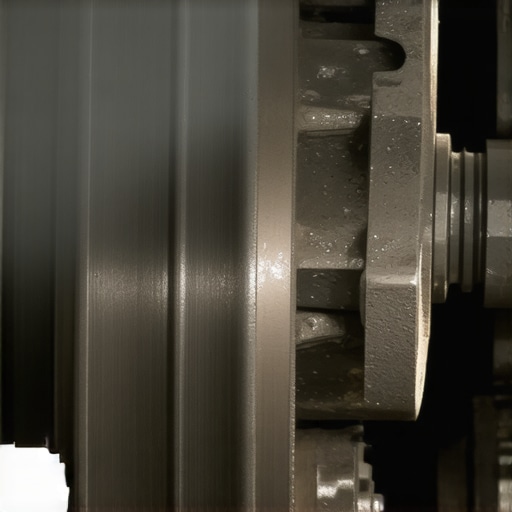
Ever been half asleep, starting your morning drive, only to be greeted by a strange, grinding sound every time you press the brake pedal? I remember the first time I heard that awful noise—my heart sank because visually, my brake pads still looked thick. How could something so obvious be wrong? That unsettling experience was a lightbulb moment for me, sparking a deep dive into what actually causes brakes to grind despite seemingly healthy pads.
Uncovering the Hidden Culprits Behind Grinding Brakes
It’s frustrating, isn’t it? You think you’ve got plenty of brake pad life left, but the noise says otherwise. Over the years, I’ve learned that this problem often stems from issues you can’t see just by glancing at the pads. Things like warped rotors, contaminated brake fluid, or even seized calipers can turn a smooth stop into a disturbing grind. Early in my troubleshooting journey, I made the mistake of assuming a simple pad replacement would fix everything—that’s a classic misstep I want to help you avoid. Proper diagnosis requires looking beyond the surface, understanding the entire brake system, and sometimes, even seeking expert advice. Want to get ahead of these issues? I recommend staying updated on the latest auto repair trends, which can sometimes reveal surprises—like how advancements in brake technology are making diagnostics more precise (find out more about upcoming trends [here](https://glassfixauto.com/auto-repair-trends-to-watch-in-2025-staying-ahead-of-the-curve)).
Is a noisy brake system actually worth the hype?
In my early days of car maintenance, I thought minor squeaks and grinding noises were just part of aging brakes. I didn’t realize that ignoring these sounds could lead to costly repairs or even compromise safety. Incorrectly assuming that all noise is normal or dismissing it as a
Start with a Safe and Clear Workspace
Before diving into your brake repair, ensure your vehicle is on a flat surface, parking brake engaged, and the wheels blocked to prevent movement. Wearing gloves and eye protection is essential for safety. My first successful repair was in my driveway, where I meticulously prepared my surroundings, avoiding surprises during the work.
Remove the Wheel to Access Brakes
Loosen lug nuts with a wrench and jack up the vehicle carefully, placing jack stands beneath the frame for support. Remove the wheel to expose the brake assembly. Think of this step like peeling a banana—you need to get to the core components without damaging surrounding parts.
Inspect Brake Components Thoroughly
Check Brake Pads for Wear
Look for uneven wear or thin pads; if they are less than 1/4 inch thick, replacements are needed. Use a flashlight to identify debris or cracks. Once, I found a small stone lodged between the rotor and pad, causing the grinding. Cleaning or replacing affected parts resolved the noise.
Examine Rotors for Warping or Damage
Run your finger along the rotor surface—feel for grooves or roughness. Warped rotors may appear uneven or have visible discoloration. I once faced a warped rotor that caused pulsing brakes; a resurfacing or replacement fixed the issue.
Disassemble to Replace or Repair Components
Use a brake caliper tool to compress the piston if replacing pads. Remove caliper bolts with a socket wrench. Be cautious not to damage rubber boots or brake lines. I learned the importance of gentle handling when replacing my calipers—forcing parts can cause leaks or damage.
Replace and Reassemble Carefully
Install new pads, ensuring they seat properly in the caliper. Reattach the caliper bolts and make sure everything is tightened to manufacturer specs. Apply brake lubricant to back of pads to prevent squealing. During my last repair, I double-checked torque specifications, which prevented future caliper sticking issues.
Reinstall the Wheel and Test
Mount the wheel, hand-tighten lug nuts, then lower the vehicle. Tighten lug nuts in a star pattern to ensure even pressure. Pump the brake pedal a few times to seat the pads; this primes the brake system. Always test drive at low speeds to confirm the noise is gone and brakes feel firm. My first test drive post-repair was nervy, but I felt confident once I confirmed smooth stopping.
Keep Up with Preventive Maintenance
Regular inspections can prevent grinding sounds before they start. Check your brake fluid and replace it if necessary. Learning to perform these basic steps fosters independence and saves money—plus, it feels great to fix your car with your own hands.
Many car owners believe that a simple brake pad replacement or routine tune-up keeps their vehicle in top shape. However, these common assumptions often overlook crucial nuances that can lead to costly repairs or safety risks down the line. For example, there’s a misconception that brake pads are the only culprit in noisy or grinding brakes, but in reality, issues like warped rotors or contaminated brake fluid play a significant role, and their neglect can accelerate wear and damage.
Why Do So Many Overlook the Role of Brake Fluid Quality?
It’s a widespread myth that brake fluid remains effective indefinitely, yet, in fact, it deteriorates over time, absorbing moisture that reduces braking performance and causes corrosion inside the system. Regularly flushing and replacing brake fluid is essential—yet, many skip this step, assuming it’s unnecessary unless there’s a visible leak. Staying informed about current trends, such as the advancements in brake technology and diagnostics (check out auto repair trends for 2025), can save you from falling into this trap.
Another common mistake is equating a quick tune-up with comprehensive car care. While routine maintenance improves performance, overlooking component-specific diagnostics, like inspecting individual sensors or the health of the battery and alternator, can leave hidden issues undetected until they cause breakdowns. Learn how thorough diagnostics can prevent unexpected failures (see troubleshooting tips).
Advanced Mistake to Avoid: Ignoring the Complexity of Brake System Interactions
One of the most overlooked aspects is understanding how components interact within the brake system. For example, replacing pads without inspecting rotors may seem efficient, but if rotors are warped or uneven, new pads will wear prematurely and produce noise or pulsation. This interconnectedness emphasizes the importance of holistic servicing.
Furthermore, attempting to self-diagnose or only addressing symptoms without understanding underlying causes can lead to repeated failures. For instance, addressing a squealing noise without checking for contaminated brake fluid or caliper seizing results in temporary fixes rather than long-term solutions. According to brake system specialists, a comprehensive approach—combining visual inspection, fluid analysis, and component measurements—is vital for accurate diagnostics (detailed brake repair guide).
Don’t fall into the trap of thinking that basic repairs are always sufficient; the nuances and interactions within your vehicle’s systems require your attention. Staying proactive with detailed inspections and up-to-date knowledge can extend your vehicle’s lifespan and ensure safety. Have you ever fallen into this trap? Let me know in the comments.
Getting Your Hands on the Right Tools
Maintaining your vehicle effectively requires precise and reliable tools. One of my go-to pieces of equipment is a digital torque wrench, which ensures that bolts—like those on brake calipers—are tightened to manufacturer specifications. Over-tightening can warp components, while under-tightening might cause dangerous issues down the line. I personally use the CDI 2503MFRPH Electronic Torque Wrench because of its accuracy and ease of use, especially when working on critical systems like brakes.
Another tool I swear by is a high-quality brake caliper piston reset tool. This device simplifies the process of compressing pistons, making brake pad replacement quicker and safer. From my experience, a C-clamp isn’t enough for more modern disc brakes; a dedicated piston retractor ensures even pressure distribution, reducing the risk of damaging delicate parts.
Leveraging Advanced Diagnostic Software
Beyond physical tools, diagnostic software has become indispensable. I recommend using OBD-II scanners like the Schnittstelle Autel MaxiCOM MK808BT. It not only reads trouble codes but also provides live data streams that help in diagnosing issues like sensor failures or transmission glitches. Investing in such a scanner has saved me thousands, as I can identify problems early before they escalate into costly repairs. As auto systems continue to evolve, future diagnostics will likely integrate AI-driven analysis for even faster, more accurate assessments (auto repair trends for 2025).
Implementing Routine Maintenance Checklists
Consistency is key in long-term vehicle health. I follow a detailed checklist every oil change and brake inspection. This includes inspecting brake fluid levels, rotor surface condition, and calibration of electronic sensors. Using a dedicated Car Service Checklist PDF I keep on my tablet, I ensure nothing gets overlooked. Regularly performing these checks keeps minor issues from turning into major problems and extends the lifespan of critical components.
How do I maintain my car’s systems over time?
Maintenance isn’t just about the tools; it’s about adopting a systematic approach. Schedule regular checkups based on your vehicle’s manual, and use specialized diagnostic tools to pinpoint potential trouble spots before they manifest into noisy brakes or unexpected breakdowns. For instance, testing your brake fluid with a refractometer can reveal moisture content that standard checks might miss, preventing rotor corrosion and caliper sticking. For more insights, visit auto repair trends for 2025. Try integrating a digital torque wrench into your routine—it might just be the upgrade your maintenance routine needs to reach the next level.
Lessons From My Brake Repair Journey I Won’t Forget
One of the most eye-opening lessons I learned was that brake noise isn’t always a sign of a worn pad—it can signal warped rotors or contaminated fluid lurking beneath the surface. Recognizing the interconnected nature of brake components changed how I approach repairs, prompting me to consider every part’s role instead of just focusing on the obvious. I also discovered that investing in quality diagnostic tools saves a ton of time and money, a tip I wish I had embraced sooner. These insights taught me that maintenance is as much about proactive prevention as it is about fixing problems after they happen.
Tools and Resources That Elevated My Skills
My essential toolkit now includes a digital torque wrench, like the CDI 2503MFRPH, to ensure precise tightening—avoiding warping and ensuring safety. A dedicated brake caliper piston retractor simplifies repairs, reducing the risk of damage. For diagnosing hidden issues, an OBD-II scanner such as the Autel MaxiCOM MK808BT has been a game-changer, catching problems early before they escalate. Additionally, staying updated through auto repair trend reports ([check out 2025 trends](https://glassfixauto.com/auto-repair-trends-to-watch-in-2025-staying-ahead-of-the-curve)) keeps me ahead of evolving systems and technologies. Combining the right tools with reliable information makes all the difference on the repair floor.
Embrace the Challenge: Your Brake System Awaits Your Attention
Now is your moment to take charge of your vehicle’s safety and longevity. Regular inspections, proper diagnostics, and a willingness to learn will prevent noisy, grinding brakes from becoming costly nightmares. Don’t wait for squeals or pulsations to drive you to the shop—your proactive approach keeps you in control and your car performing at its best. Remember, mastering basic brake maintenance not only saves money but also builds your confidence as a car owner. Ready to get started? Your vehicle—and your safety—are counting on you.
Have you ever caught a minor brake issue before it became a major repair? Share your experience below and inspire others to take action!