
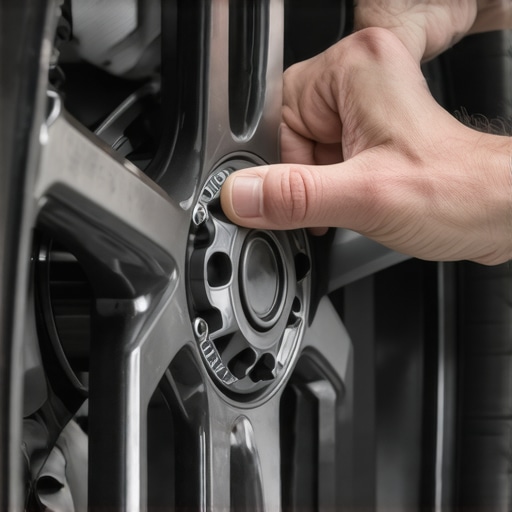
Ever been halfway through a drive when suddenly, that little squeal or a shaky pedal makes your stomach drop? I’ve been there more times than I care to admit. One day, I found myself panicking because I couldn’t tell if my brake pads were on their last legs, but I didn’t want the hassle of a full service just yet. That’s when I stumbled upon a simple, surprisingly effective trick: checking your brake pads through the rim.
Why Checking Brake Pads Yourself Can Save You Time and Money
Most car owners don’t think about their brake pads until there’s a problem — and by then, it can be too late. Having to visit the mechanic unexpectedly not only costs more but also leaves you stranded without a quick fix. What if I told you there’s a way to peek at your brake condition without special tools or dropping your car off at the shop? That promising idea turned into my go-to routine, saving me both time and cash.
Is This Trick Actually Worth the Hype, or Just a Fluke?
I admit, I used to be skeptical. I once made the mistake of assuming that a quick look through the rim wouldn’t tell me much — only to find my brake pads dangerously worn down. This early mistake made me realize that I needed to learn how to do it right. Now, with a little practice, I can gauge whether my brake pads need urgent attention or if I can hold off until my next scheduled tune-up.
In the sections ahead, I’ll share how you can perform this simple check safely and accurately. If you’re like me, you value keeping your vehicle in top shape without unnecessary trips to the mechanic. Ready to become your own brake inspector? Let’s dive into how you can do it yourself, starting with what to look for and how to read the signs.
Lift Your Vehicle Safely and Prepare to Inspect
Find a flat, stable surface and engage your parking brake. Using a car jack, lift the corner of your vehicle where you want to check the brake pads. Place jack stands securely underneath for stability. Remember, never rely solely on a hydraulic jack for support. Once elevated, remove the wheel lug nuts and take off the wheel, exposing the brake rotor and pads.
Locate the Brake Components Clearly
Identify the brake rotor, which is the shiny disc behind the wheel, and the brake pads on either side. You don’t need to remove the entire assembly—just enough to see the thickness of the brake pad lining. It’s like inspecting the brake shoes without disassembling the entire drum assembly. This visual check is quick and vital for early warning signs.
Use a Flashlight to Assess Brake Pad Thickness
Shine a flashlight through the rim spokes or directly onto the rotor edge to examine the brake pads. Look for the brake lining—if it’s less than a quarter of an inch thick (about 6mm), it’s time to consider replacing or inspecting further. If you see only a thin strip of lining or the metal backing plate, the pads are dangerously worn out, similar to a worn-out shoe sole telling you it’s time for new ones.
My Personal Experience of a Close Call
Once, I checked my brake pads this way after noticing a squealing sound. Through the rim spokes, I saw the lining was nearly worn through, revealing the metal backing. Recognizing this early saved me a costly repair and kept me safe on the road. That quick glance gave me peace of mind, proving how simple inspections can prevent emergencies.
Repeat on All Wheels for Comprehensive Safety
Perform this check on all four wheels periodically, especially before long trips. Consistent monitoring ensures you catch uneven wear or potential issues early, much like routine health checkups. If you notice uneven pads or suspect warped rotors, it’s best to consult professionals. For detailed steps on brake system maintenance, visit this guide to ensure your brakes stay in optimal shape.
Reassemble and Test Drive
After inspection, replace the wheel, tighten lug nuts in a criss-cross pattern to the manufacturer’s torque specifications, and lower your vehicle safely. Take a short test drive to listen for any abnormal sounds. Remember, a visual check isn’t a substitute for professional brake service, but it’s an invaluable first step in preventative maintenance.
Many car owners believe that regular oil changes and scheduled tune-ups are all it takes to keep a vehicle running smoothly. However, in my experience, the real nuances of auto care often get overlooked, leading to costly repairs down the road. One common misconception is that immediate service is always necessary at the first sign of a problem. But sometimes, the issue is more nuanced—like a minor vibration that could stem from uneven tire wear or a warped rotor, which a quick visual inspection can reveal before escalating. Overlooking these subtleties can cause what I call the ‘hidden trap’—assuming a symptom is minor when it’s already a sign of deeper issues. For example, many believe brake noise always indicates needing new pads; what’s often missed is the potential for a sticking caliper or contaminated brake fluid, which requires different solutions.
How can advanced diagnostic techniques prevent unnecessary repairs?
In fact, relying solely on visual cues without understanding the complexities of brake system components can lead to misdiagnosis. Modern diagnostics, like conducting a brake fluid analysis or using infrared thermography, provide a clearer picture of underlying problems, saving you money and enhancing safety. According to automotive expert and author Bob O’Neill, ‘Failing to distinguish between the symptoms and the root cause can turn a small fix into a major overhaul.’ So, it’s essential for enthusiasts to learn the nuances—like recognizing uneven pad wear patterns or subtle steering vibrations—as these often signal early signs of issues. For vehicle owners looking to deepen their knowledge, [this guide](https://glassfixauto.com/understanding-brake-system-repairs-a-guide-for-vehicle-owners) offers insights into complex brake diagnostics. Remember, rushing into repairs without understanding these intricacies can mean replacing parts prematurely or missing critical problems entirely. The key is to focus on the details that most people ignore, which can make all the difference in extending your car’s lifespan. By mastering these subtle signals, you become not just a vehicle owner but an informed caretaker. This approach aligns with proactive maintenance strategies, like detailed [car service checklists](https://glassfixauto.com/car-service-checklist-how-to-keep-your-vehicle-in-top-shape), which emphasize preventative measures over reactive fixes. Have you ever fallen into this trap of misdiagnosing a small issue? Let me know in the comments! Remember, the difference between average and expert auto care often lies in noticing the nuances others overlook.Maintaining your vehicle over the years requires more than just basic knowledge; it demands the right tools and a strategic approach. Personally, I rely on a few select equipment pieces and software that have proven invaluable in diagnosing, repairing, and ensuring my car remains in top shape. These tools not only save me money but also give me peace of mind, knowing that I can address many issues before they escalate.
One essential tool I swear by is a high-quality digital multimeter. Unlike cheaper models, my Fluke multimeter offers precise readings of battery voltage, alternator output, and sensor signals. This accuracy helps me quickly identify electrical anomalies that could lead to bigger problems if left unchecked. For example, routinely measuring my battery’s health has prevented unexpected breakdowns, especially during cold winter mornings.
For brake system diagnostics, I use an infrared thermometer. This might sound specialized, but it’s incredibly effective in spotting uneven brake pad wear or sticking calipers. By checking rotor temperatures after a short drive, I can detect if one wheel is overly hot, indicating potential issues. Incorporating this simple yet powerful step into my routine prevents costly repairs and enhances safety.
When it comes to software, OBD-II scan tools like the BlueDriver Bluetooth scanner are game-changers. They connect wirelessly to my smartphone and provide real-time data on engine performance, emissions, and fault codes. Rather than relying solely on visual cues, I can understand deeper issues through detailed diagnostics. This proactive approach aligned with modern trends in auto care, as discussed in [this comprehensive guide](https://glassfixauto.com/how-regular-tune-ups-improve-fuel-efficiency-and-safety), emphasizes the importance of advanced diagnostics.
Looking ahead, the trend points toward integrating more AI-driven diagnostics and remote monitoring systems. Vehicles are becoming smarter, and tools that can interface with onboard systems remotely will become standard, allowing for predictive maintenance rather than reactive repairs.
So, how can you ensure your tools stay effective over time? Routine calibration and software updates are critical. For example, regularly updating your scan tool’s firmware ensures compatibility with the latest vehicle models and diagnostics protocols. Additionally, maintaining calibration of multimeters guarantees measurement accuracy, preventing misdiagnosis.
Don’t overlook the power of a well-equipped garage when it comes to auto maintenance. Investing in quality tools like a multimeter, infrared thermometer, and a reliable scan tool can transform your approach from reactive to proactive. Ready to get started? I recommend trying out an infrared thermometer to monitor your brake system during your next service check. Not only does it help prevent surprises, but it also sharpens your overall understanding of your vehicle’s health. Curious about more advanced maintenance strategies? Check out [this guide](https://glassfixauto.com/maximize-your-cars-lifespan-with-expert-tune-up-strategies) to further enhance your car’s longevity.
Lessons That Changed My Approach to Auto Maintenance
- Never underestimate the power of small visual inspections; they often reveal problems before costly repairs become unavoidable.
- Early detection through simple checks like inspecting brake pads through the rim can be a game-changer, especially for those who want to stay ahead of issues.
- Understanding your vehicle’s signs and learning DIY techniques builds confidence and reduces dependence on immediate professional intervention, saving time and money.
Tools and Resources That Elevated My Auto Care Routine
- Infrared Thermometer: A surprisingly affordable tool that helped me catch uneven brake wear early—trust me, it’s worth every penny.
- OBD-II Scan Tool: Wireless and user-friendly, it allows me to access engine data on the fly, preventing unnecessary repairs.
- Car Service Checklist: Following a structured plan ensures no critical component gets overlooked, extending my vehicle’s lifespan.
- This guide provided me with detailed insights into brake system diagnostics, teaching me to interpret signs accurately.
Your Next Step in Auto Care Excellence
Empowered with the knowledge and tools to perform simple brake inspections, you can now take control of your vehicle’s health. Remember, proactive maintenance not only keeps you safe but also dramatically cuts down on unexpected expenses. If you’re ready to deepen your understanding or need professional assistance, don’t hesitate to reach out or explore more tips on maintaining peak brake performance. Your car deserves this extra care—start today and enjoy the confidence that comes with being your own auto caretaker.