

Picture this: I was tense, sweating as I watched my car overheat on a scorching summer day. It had been my DIY project, a simple coolant change I thought I could handle. Yet, a few weeks later, I found myself stranded, engine warning lights flashing, and a hefty repair bill to back it up. That moment was a real eye-opener—turns out, using the wrong type of coolant isn’t just a rookie mistake; it can be downright dangerous.
Why Choosing the Right Coolant Should Be Top Priority
After that shaky experience, I dove into research and discovered something startling: not all coolants are created equal, and mixing the wrong ones can spell disaster for your engine. Many car owners overlook this detail, assuming all coolants are interchangeable. But in reality, using an incompatible coolant can cause corrosion, gasket damage, or even complete engine failure.
Could Mixing Coolants Actually Harm Your Engine?
My early mistake was mixing different coolant types without realizing it. I thought I was saving time, but I was unknowingly setting the stage for corrosion and overheating. In fact, a study published by the Journal of Automotive Engineering highlights that using incompatible coolants can lead to formation of sludge and damaging deposits.
So, if you’ve ever wondered whether that green coolant can mix with the orange one in your radiator, you’re not alone. The truth is, proper coolant selection and maintenance are crucial for reliability and safety — and avoiding costly repairs.
Now, I want to show you how to identify the right coolant for your vehicle, so you can keep your engine cooling system running smoothly without risking unnecessary damage. But first, let’s tackle the biggest worry I hear from fellow car enthusiasts: “Is this really worth the fuss?”
Identify Your Vehicle’s Coolant Specifications
Start by checking your owner’s manual or the label on your radiator cap to find the recommended coolant type and mixture ratio. When I replaced my coolant, I remembered to consult my manual, which saved me from using the wrong type and causing potential engine damage. If you can’t find the info, contact your dealership or a trusted auto parts store for guidance.
Match the Coolant Type Precisely
There are primarily two types of coolants: organic acid technology (OAT) and inorganic additive technology (IAT). Each is formulated differently and must be used exclusively. During my last flush, I ensured I bought the exact coolant specified—using a compatible product prevents chemical reactions that could lead to corrosion or sludge formation.
Prepare for a Proper Drain and Flush
Before adding new coolant, drain the old fluid completely from the radiator and engine block. I detached the lower radiator hose, which was messy but straightforward. Remember to catch the drained coolant in a suitable container and dispose of it according to local environmental regulations. Flushing helps remove any residual contaminants that could harm your engine.
Flush the Cooling System Effectively
If your coolant appears rusty or contaminated, consider using a commercial cooling system flush. Pour the flush solution into the radiator, run the engine for about 10 minutes, then drain and rinse with distilled water. Doing this as I did prevented corrosion and extended the life of my cooling system.
Fill and Bleed Air from the System
Refill the radiator with the correct coolant mixture, then start the engine and allow it to reach normal operating temperature. I turned on the heater to circulate coolant through the heater core. During this process, air bubbles escape, preventing air pockets that can cause hot spots. Keep an eye on the radiator cap’s pressure to avoid over-pressurization.
Monitor Coolant Levels and Check for Leaks
Once the engine cools, recheck the coolant level and top up if necessary. I observed a slight leak from the radiator hose clamp, which I tightened promptly. Regular inspection ensures your system remains sealed and prevents overheating issues.
Applying these steps kept my engine cool and prevented the costly repairs I experienced before. Be meticulous with every process, and your vehicle’s cooling system will reward you with reliable performance. For comprehensive maintenance practices, consider reviewing our car service checklist.
While many car owners focus on the obvious aspects of vehicle upkeep, such as oil changes or tire rotations, there’s a deeper layer of nuance that often gets ignored. A common myth is that routine maintenance is enough to keep a car running flawlessly forever. In reality, understanding the intricacies and potential pitfalls can truly extend your vehicle’s lifespan and safety.
The Mistake Most Car Owners Make with Brake Repairs
Many believe that as long as the brake pads look fine visually, they are good to go. However, this can be deceptive. Brake pads can wear unevenly or develop internal issues that aren’t visible without proper inspection. Relying solely on surface appearance can lead to catastrophic brake failure. A misjudgment here isn’t just risky; it can be deadly. For a comprehensive understanding, check out our detailed guide on brake system repairs.
Why a Tune-Up Is Not Just About Replacing Parts
Contrary to popular belief, a tune-up isn’t merely swapping out spark plugs or filters. An effective tune-up involves diagnosing underlying issues that could cause a decline in performance or fuel efficiency. It’s a diagnostic process that helps identify and preempt problems before they escalate. Simply replacing parts without thorough testing and calibration often results in subpar performance. For advanced insights, visiting our tune-up guide can be enlightening.
Can Overlooking Small Details Lead to Big Problems?
Absolutely. For instance, ignoring subtle vibrations or delayed brake responses can hint at hidden issues like warped rotors or failing calipers. These minor symptoms, if left unaddressed, can develop into costly repairs or safety hazards. A notable study by the Journal of Automotive Engineering emphasizes that early detection through nuanced inspection reduces downtime and repair costs significantly. Always stay attentive to the physical cues your vehicle provides.
Have you ever fallen into this trap? Let me know in the comments. Recognizing these hidden nuances empowers you as a responsible car owner, ensuring safety and longevity. Dive deeper into these topics with our comprehensive vehicle maintenance checklist and stay ahead of potential issues.
Investing in Reliable Tools for Maintenance
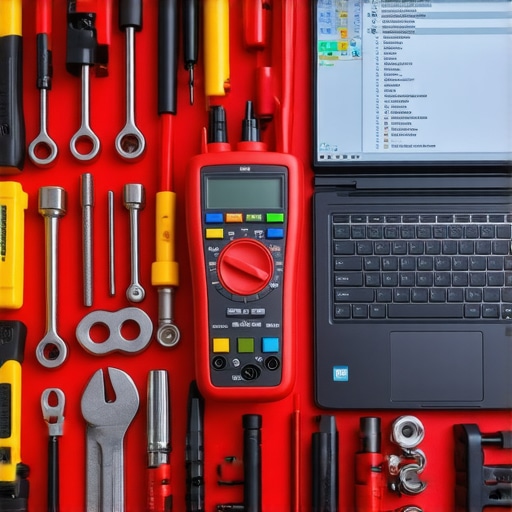
Over the years, I’ve found that having the right equipment makes all the difference in maintaining my vehicle efficiently. For instance, a high-quality digital multimeter is indispensable for diagnosing electrical issues, such as testing battery voltage or alternator output. I personally rely on the Fluke 115 because of its accuracy, durability, and user-friendly interface, which allows me to troubleshoot problems quickly without unnecessary guesswork.
Another must-have in my toolkit is a core set of socket wrenches. A good set with both metric and standard sizes saves time when addressing different fasteners. I recommend a GearWrench set because of its ergonomic design and strong grip, reducing fatigue during prolonged repair sessions.
Leveraging Software for Better Maintenance
Beyond physical tools, digital solutions have become game-changers. I use a subscription-based app called OBDeleven for advanced diagnostics tailored to my vehicle’s make and model. It provides real-time data from sensors, error codes, and customization options, saving me trips to the mechanic and enhancing my understanding of my car’s health.
Additionally, I keep a detailed maintenance log using software like Cars.com dashboard tools, which prompts regular service intervals, and helps me track repairs and improvements over time. These digital insights make it clear when a tune-up or part replacement is due before a minor issue becomes major.
Adopt Preventive Maintenance Habits
Consistent checkups are essential for long-term vehicle performance. I schedule seasonal inspections to verify brake pad thickness, tire tread depth, and fluid conditions. For example, I routinely use the brake pad checking trick with a penny to quickly assess wear without removing wheels.
Implementing these habits, coupled with the right tools and software, prolongs your vehicle’s lifespan and reduces costly repairs. As auto technology evolves, expect more integration of smart diagnostics and AI-driven maintenance systems, like predictive diagnostics based on machine learning, which I predict will become standard in the next few years.
How do I keep my auto repair skills sharp over time?
Practice! Regularly watch tutorials, participate in online forums, and try out new techniques in a safe environment. For instance, enhancing your knowledge with troubleshooting guides can prepare you for unexpected issues on the road. I challenge you to select one advanced diagnostic method—like testing the alternator’s voltage with your multimeter—and give it a try today.
Lessons I Didn’t Expect to Learn About Car Care
- Trusting shortcuts almost cost me my engine. The mistake of ignoring manufacturer recommendations taught me how critical proper coolant selection truly is, revealing that safety and longevity come from meticulous attention to detail.
- The biggest surprises aren’t in what you do, but in what you overlook. Small issues like a slow leak or subtle warning lights often hide bigger problems, emphasizing that preventive care and regular inspections are your best allies.
- So much of successful car maintenance depends on patience and education. Gaining practical knowledge—like how to effectively bleed your brakes or diagnose weird noises—transformed my approach from reactive to proactive.
- DIY can save costs, but knowing when to consult professionals makes all the difference. Trusted resources like our auto repair trend reports kept me ahead of the curve, ensuring I don’t overestimate my skills.
- The true value in auto care isn’t just in fixing problems but learning to listen to your vehicle. Subtle vibrations, smells, or sounds are signals—treat them as a language, and you’ll protect your investment long-term.
Tools and Knowledge That Changed My Approach
- Investing in a high-quality digital multimeter like the Fluke 115 enabled me to troubleshoot electrical issues confidently, giving clarity in situations that previously caused frustration.
- A comprehensive maintenance checklist from resources like our car service guide helped me stay organized, ensuring routine services didn’t fall through the cracks.
- Smart diagnostics tools, such as OBDeleven, opened my eyes to real-time data that I could interpret myself—saving trips to the mechanic and giving me peace of mind.
- Knowledge from trusted reading, especially about how tune-ups boost efficiency, transformed preventive maintenance from a chore into a strategic action plan.
- Continuous learning through videos, forums, and expert articles—like those on future trends in auto repair—keeps my skills fresh and my vehicle safer.
Your Next Step in Car Care Confidence
Taking charge of your vehicle’s health is empowering. Every detail—whether it’s choosing the right coolant, performing a thorough brake inspection, or leveraging modern diagnostic tools—builds your confidence and extends your car’s lifespan. Remember, the journey of auto maintenance isn’t about perfection but consistency. When you combine knowledge, quality tools, and proactive habits, you become the best steward for your vehicle’s long-term well-being.
Are you ready to go beyond the basics and make smarter maintenance decisions? Share your experiences or questions in the comments below—your insights could inspire someone else’s journey to better auto care.