
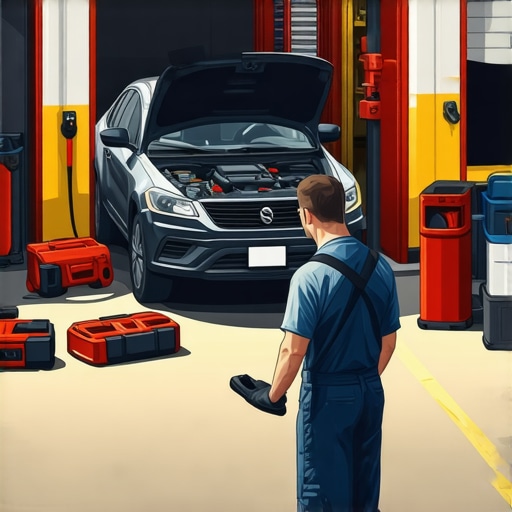
Ever been stranded on the side of the road because you ignored that little warning light or skipped a routine tune-up? I sure have. One hot summer afternoon, my car suddenly sputtered and died, leaving me frustrated and worried about what could’ve gone wrong. That moment was a real lightbulb for me. It made me realize how critical consistent auto care is—not just for your vehicle’s performance but for your safety and peace of mind.
Why Regular Auto Tune-Ups Matter More Than You Think
Maintaining your vehicle with proper tune-up and repair strategies isn’t just about avoiding breakdowns. It’s about building trust in your car’s reliability and ensuring you and your loved ones stay safe on the road. A well-maintained car can prevent costly repairs down the line and keep your vehicle performing at its best, mile after mile. I’ve learned the hard way that skipping these simple steps often leads to bigger problems—and bigger bills. That’s why I now swear by a routine schedule, following expert advice like this effective tune-up strategies.
Is Overlooking Small Repairs Actually Worth the Risk?
Early in my auto-care journey, I made the mistake of neglecting small issues, thinking they were insignificant. Turns out, those tiny problems can snowball into major failures. According to recent studies, regular maintenance can extend your car’s lifespan significantly and reduce the chances of accidents caused by mechanical failures. Trust me, a little effort now saves a lot of money—and stress—later. If you’re feeling skeptical, ask yourself: Have I ever ignored a noise or warning light, only to regret it? If so, you’re not alone. But the good news is, you don’t have to face these issues blindfolded. I’ll guide you through practical, straightforward tips to keep your vehicle in top shape, ensuring you stay safe and confident every time you hit the road.
Check and Replace Fluids Regularly
Start by making fluid checks a routine. Think of your car’s fluids like blood in a body – vital for health. During my first major tune-up, I learned to inspect oil, coolant, brake fluid, and transmission fluid. One weekend, I decided to drain and replace the oil myself, which seemed messy at first. But the smooth engine performance afterward confirmed the importance of fresh fluids. Use a clean funnel, check levels with your dipstick, and replace fluids according to your vehicle’s manual. This simple step prevents engine overheating and brake failures, ensuring reliability.
Replace Worn-Out Belts and Hoses
Belts and hoses are the arteries of your car. I once ignored a cracked serpentine belt until it snapped on a highway, leaving me stranded. To avoid that, I now inspect belts for cracks, glazing, or fraying every 10,000 miles. For hoses, look for bulges, leaks, or stiffness. Replacing these before failure saves you from costly repairs and dangerous breakdowns. When I replaced an aging serpentine belt, I noticed the new one was quieter and more efficient, boosting my trust in regular maintenance. Follow your vehicle’s guide or consult an expert at a trusted auto repair shop.
Test and Replace the Battery
A dead battery is a common culprit for breakdowns. I learned this the hard way when my car refused to start on a cold morning. To prevent this, I use a multimeter to check the battery’s voltage and have it tested annually at a professional shop. If your battery shows signs of corrosion or is over three years old, replace it proactively. A healthy battery ensures your car starts reliably and your electrical systems function smoothly, building lasting trust in your vehicle’s dependability.
Inspect and Maintain the Brakes
Brakes are your safety net. I once noticed a squealing noise and ignored it until braking became less responsive. After a professional inspection, I replaced worn brake pads and serviced the rotors. Regularly check brake pads for thickness, listen for squeals, and feel for vibrations. Proper brake maintenance isn’t just about safety; it prolongs your vehicle’s life and keeps your confidence high. For detailed brake inspection and service, explore trusted brake solutions.
Keep Tires in Top Shape
Think of tires as your car’s shoes. I once experienced a blowout because I neglected to check tire pressure. Use a reliable gauge to monitor pressure monthly, and rotate tires every 5,000 to 7,500 miles. Also, inspect for uneven wear or embedded objects. Properly maintained tires improve handling, fuel efficiency, and safety. When I finally replaced old tires, I noticed better traction and a smoother ride, reinforcing the value of regular checks. For expert advice, visit auto tune-up tips.
Schedule Professional Tune-Ups
While DIY checks are vital, professional tune-ups catch what you might miss. I once scheduled a comprehensive service, including spark plug replacement and engine diagnostics. The mechanic pinpointed issues I hadn’t noticed, saving me from future breakdowns. Regular professional inspections keep your car running at peak performance and extend its lifespan. Find a trusted local shop or consult auto repair experts to help maintain your vehicle’s trustworthiness.
Many car owners believe that sticking to the basics is enough for reliable vehicle care. However, as an auto repair enthusiast with years of hands-on experience, I can tell you that there are subtle pitfalls and misconceptions that even seasoned DIYers often overlook. Let’s dig deeper into what most people get wrong about auto maintenance and how understanding these nuances can save you big in the long run.
Why Following the Crowd Can Lead to Costly Mistakes
One of the biggest myths is that if a maintenance task isn’t urgent, it can be postponed indefinitely. For example, many think that replacing belts or hoses only when they visibly fail is safe. In reality, these parts often give subtle signs of wear—cracks, glazing, or stiffness—that most owners miss. Waiting for a failure risks roadside breakdowns or catastrophic engine damage. Regular inspections, even if nothing seems wrong, can spot these issues early. Trust me, proactive replacement based on wear indicators is smarter than waiting for a breakdown. For detailed guidance, check out auto service guides.
The Oops Factor: Overlooking Small Signs Can Cost Thousands
Another common mistake is dismissing minor symptoms like faint squeals, slight vibrations, or occasional warning lights. These are often early signals of deeper issues—bad brake pads, failing sensors, or worn-out engine components. Ignoring them can escalate the problem, leading to costly repairs or even safety hazards. I’ve seen drivers neglecting a small fluid leak or a minor engine misfire, only to face major repairs later. The key is to treat small issues as warning signs, not nuisances. Regular check-ups and professional diagnostics can catch these problems early, saving you money and ensuring safety. For more advanced insights, consider consulting trusted resources like auto repair experts.
Are You Making These Advanced Maintenance Mistakes?
For the seasoned auto enthusiast, it’s vital to understand the importance of proper maintenance sequencing. For instance, replacing spark plugs without checking the condition of ignition coils can lead to incomplete repairs. Or, neglecting to reset the car’s computer after certain repairs can cause inaccurate sensor readings. A sophisticated mistake is not considering the impact of climate on vehicle components—hot, cold, or humid conditions accelerate wear in different ways. Relying solely on mileage without considering driving habits or environmental factors can undermine your maintenance schedule. According to industry studies, personalized maintenance plans based on real-world usage outperform generic schedules. To ensure your auto care is truly effective, review auto maintenance strategies tailored to your vehicle’s needs.
Have you ever fallen into this trap? Let me know in the comments. Remember, understanding these hidden nuances can make all the difference in ensuring your vehicle remains dependable, safe, and cost-effective over its lifespan.
Maintaining your vehicle to ensure it keeps running smoothly over time requires more than just basic knowledge; it demands the right tools and a strategic approach. As someone deeply involved in auto repair, I’ve found that investing in specific equipment can significantly extend your car’s lifespan and improve your confidence behind the wheel.
Why a Quality Digital Multimeter Is a Must-Have
One of my first upgrades was a reliable digital multimeter. This device is invaluable for testing your car’s electrical system, especially the battery and alternator. I personally use the Fluke 117 multimeter, as it provides accurate readings and is durable enough to handle automotive environments. Checking voltage levels regularly helps me catch issues before they cause breakdowns, saving time and money. As automotive electrical systems grow more complex with modern vehicles, having a trusted multimeter ensures you can troubleshoot effectively and avoid unnecessary repairs.
Using an OBD-II Scanner for Proactive Diagnostics
Another game-changer is an OBD-II scanner. I recommend the BlueDriver Bluetooth Pro, which connects seamlessly to my smartphone. This tool allows me to read diagnostic trouble codes, monitor real-time sensor data, and reset warning lights. With this device, I can identify problems early, often before they turn into costly repairs. It also helps me verify that repairs were successful after servicing. As vehicle technology advances, having a good OBD-II scanner is becoming essential for any serious car owner or DIY mechanic.
Why Regular Fluid Testing and Replacement Matters
Beyond tools, I emphasize routine fluid testing. I use a refractometer to check coolant and transmission fluid quality. This device measures the fluid’s refractive index, giving me an immediate understanding of its condition. Regular testing ensures I replace fluids before they degrade, preventing overheating and transmission failures. When I replaced my coolant early, I avoided engine overheating during a hot summer trip, which could have been disastrous.
Future Trends in Auto Maintenance Tools
Looking ahead, I predict that the integration of IoT (Internet of Things) devices into vehicle maintenance will become widespread. Imagine smart sensors embedded in critical components, sending real-time health data to your smartphone. This will enable truly predictive maintenance, where you can address issues proactively rather than reactively. For now, investing in quality diagnostic tools and understanding their use remains the best approach to keeping your vehicle reliable over the long term.
How do I maintain my tools and techniques over time?
To ensure your tools stay effective, regular calibration and proper storage are key. For instance, I calibrate my multimeter annually according to manufacturer instructions and keep it in a protective case. Updating your diagnostic software and firmware ensures compatibility with the latest vehicle models. Additionally, reading up on the latest auto repair guides, like effective tune-up strategies, helps me stay informed about new tools and methods. Make it a point to review your toolkit and maintenance routine every 6-12 months to keep everything functioning optimally.
Don’t underestimate the power of the right tools combined with ongoing education. Try integrating a high-quality OBD-II scanner into your routine and see how much more confident you become in diagnosing issues early. Remember, proactive maintenance with the best equipment not only saves money but also keeps your vehicle dependable for years to come.
What I Wish I Knew Before Ignoring Tiny Car Cues
- One of my biggest lightbulb moments was realizing that a squeal from my brakes wasn’t just annoying but a warning sign I should address immediately. Ignoring such signals almost led to a costly rotor replacement. Now I know that small signs often hide bigger issues, and catching them early can save hundreds.
- During a routine check, I discovered that my car’s coolant was slightly below the recommended level. That simple fix prevented overheating during a scorching summer trip, proving that proactive maintenance is often about small, regular checks.
- My most surprising lesson was how replacing worn belts before they snap can prevent roadside breakdowns. It’s easy to overlook these parts until failure strikes — I learned to inspect them visually and replace them proactively.
Tools and Resources That Changed My Approach to Auto Care
- The Fluke 117 multimeter became my best friend for electrical troubleshooting. Its accuracy and durability mean I can diagnose issues early without costly trips to the mechanic.
- An OBD-II scanner like BlueDriver Bluetooth Pro is essential. It not only reads trouble codes but also helps me monitor sensor data in real-time, turning me into my own auto detective.
- I swear by using a refractometer to test coolant and transmission fluids. It’s a simple tool that helps me know exactly when to replace fluids, preventing overheating and transmission failures.
- Lastly, trusted auto repair guides and tutorials from GlassFix Auto keep me informed about the latest maintenance practices tailored to my vehicle’s needs.
Keep Your Vehicle Trustworthy and Your Confidence High
Maintaining your vehicle isn’t just about avoiding breakdowns; it’s about creating a dependable partner on every journey. The more I learn and invest in the right tools and knowledge, the safer and more confident I feel every time I hit the road. Remember, every small effort adds up to a long-lasting, trustworthy vehicle that serves you well for years to come. Now’s the perfect time to start or refine your auto care routine—your future self will thank you. What’s one small check or repair you’ve been putting off that could make a big difference? Let me know below!