
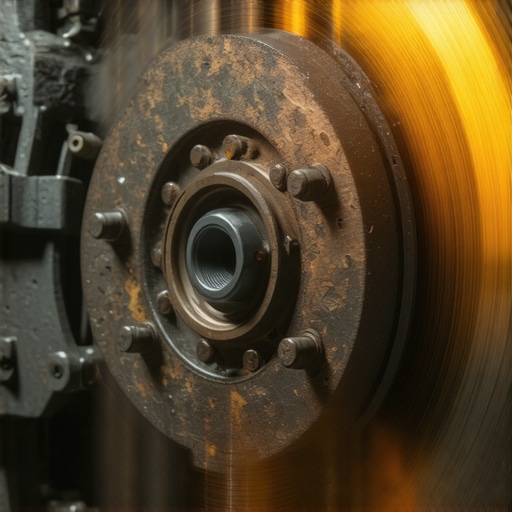
One scorching summer afternoon, I was cruising down the highway when suddenly my brakes felt like they were losing their grip. The pedal sank lower than usual, and I had that terrible thought: “Is my brake system failing again?” It was a wake-up call that made me realize just how confusing brake issues can be for everyday drivers. Have you ever experienced that weird sensation while braking, only to wonder if it’s a minor glitch or something more serious? Well, you’re not alone—and that’s exactly what we’re going to clarify today.
Why Understanding Brake Problems Matters More Than Ever
Knowing whether your brake system is just experiencing temporary fade or if your rotors are genuinely failing can save you from costly repairs and dangerous driving situations. It’s a common mistake many car owners make—assuming every squeal or vibration is a quick fix—when in reality, the root cause could be more complex. Early misdiagnosis often leads to replacing parts unnecessarily or, worse, facing a total brake failure on the road. I’ve been down that road, literally, and trust me, getting it right the first time made all the difference.
Is Brake Fade or Failing Rotors Actually a Big Deal?
Let me be upfront: I once rushed to replace my rotors thinking they were shot after a single brake pulsing during a mountain drive. Turns out, I had pushed the brakes beyond their cooling capacity, causing temporary brake fade—not a rotor failure. This mistake made me realize how critical it is to distinguish between different brake issues before jumping to conclusions. Supporting this, studies show that misdiagnosed brake problems can lead to significant expenses and safety risks (source).
If you’re like me, wondering whether the noise, vibration, or pedal feel indicates fade or failure, you’re in the right place. Today, we’re going to explore how to tell these issues apart, so you can handle brake troubles confidently and safely. Ready to become a brake problem expert? Let’s dive in and put those confusing symptoms into perspective.
Start with a Visual Inspection of Your Brake Components
When I faced a vibrating brake pedal, the first thing I did was open my hood and check the brake calipers, pads, and rotors for obvious wear or damage. Look for uneven pad thickness, cracks, or corrosion on the rotors. Use a flashlight to spot any leaks or loose parts. Remember, rotors are like brake brake pads’ When it comes to brake service and auto repairs, many vehicle owners rely on common beliefs that, frankly, can lead to costly mistakes. One widespread misconception is that all brake noise indicates immediate replacement of brake pads or rotors. In reality, some noises—like squeaking during cold mornings—are normal and caused by surface corrosion or minor issues that can be remedied with simple cleaning or lubrication. Rushing to replace parts without proper diagnostics not only wastes money but also risks unnecessary downtime. According to industry experts, a thorough understanding of brake system nuances is essential for effective maintenance (source).
Equip Yourself with the Right Tools for Long-Term Brake Care
Maintaining your brake system over time requires precision and the right equipment. I personally rely on a digital caliper to measure rotor and pad thickness accurately, ensuring that early signs of wear don’t go unnoticed. For inspecting brake fluid, I use a refractometer, which quickly reveals whether the fluid has absorbed moisture, a common cause of brake fade (source). These tools have saved me from unnecessary repairs and improved my understanding of my vehicle’s health.
When it comes to cleaning and maintaining brake components, I prefer a high-quality brake cleaner spray. It effectively removes corrosion and brake dust without damaging sensitive surfaces. For inspecting calipers and slide pins, a set of precision screwdrivers and a flashlight are indispensable—they help me spot issues that could lead to uneven brake pad wear or sticking calipers, which can compromise safety over time.
Future-Focused Maintenance Practices
Looking ahead, the trend is shifting toward more sophisticated diagnostic tools, such as OBD-II scanners paired with software that can predict brake system issues before they become critical. Using these technologies can streamline maintenance schedules and prevent costly repairs. Regular checkups, combined with these advanced tools, can extend the lifespan of your braking system and keep your vehicle performing optimally.
How do I keep my brakes functioning properly over the years?
Implementing a routine of regular inspections, fluid changes, and component replacements is key. I recommend scheduling professional brake fluid flushes every 2 years, using quality replacement fluids to prevent moisture buildup and corrosion. Additionally, sticking to your vehicle’s maintenance schedule for rotor resurfacing or replacement ensures consistent performance. You can also educate yourself on the signs of impending brake issues by reading in-depth guides (here), so you catch problems early. By investing in the right tools and adhering to a disciplined maintenance routine, you’ll ensure your brakes continue to serve you reliably—making every drive safer and smoother. Don’t forget to try out a professional-grade brake caliper piston tool during your next tune-up to see firsthand how it simplifies the process and ensures perfect pad contact.
Lessons That Changed How I Approach Brake Maintenance
- Realizing that not every squeal demands immediate part replacement saved me hundreds of dollars and downtime.
- Understanding that a little corrosion on the rotors isn’t always a sign of failure—sometimes, it’s easily remedied with proper cleaning, avoiding unnecessary repairs.
- My biggest lightbulb moment was discovering how essential regular brake fluid flushes are to prevent fade and ensure consistent stopping power.
Tools and Guides That Keep My Brake System Running Smoothly
I trust resources like this comprehensive brake repair guide because it demystifies complex issues and helps me make informed decisions. My essential toolkit includes a digital caliper for measuring rotor thickness, a brake fluid refractometer, and high-quality brake cleaner. These tools empower me to detect problems early and extend the lifespan of my brake components.
Fuel Your Confidence and Drive Safer
Remember, maintaining your brakes isn’t just about preventing costly repairs—it’s about ensuring every journey ends safely and smoothly. Embrace regular inspections, invest in the right tools, and stay curious about your vehicle’s condition. Your proactive approach can turn brake worries into peace of mind. So, are your brakes truly ready for the road ahead? Let me know your experiences or questions below!