
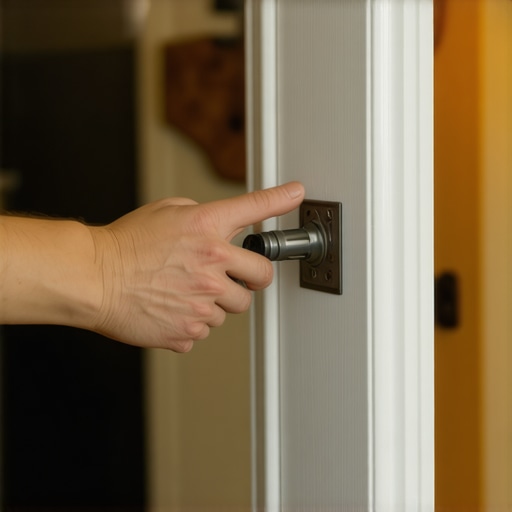
Ever been woken up at 3 a.m. by that relentless creak as someone opens the door? I know I have. Those squeaky door hinges can turn a peaceful home into a source of frustration overnight. One minute, everything’s quiet and normal; the next, it’s as if your walls are trying to talk back. I used to ignore the noise, thinking it was just a minor annoyance, but I soon realized it was a signal that something needed fixing—and fast.
How a Tiny Squeak Became My Home’s Biggest Nighttime Nuisance
There was a time when I simply ignored the incessant squeaking, hoping it would go away on its own. Spoiler: it didn’t. Instead, it became louder and more persistent, disrupting my sleep and even bothering my neighbors. I found myself dreading every evening, knowing I’d have to deal with that high-pitched squeal every time someone moved through the doorway. It was a dull but constant reminder that simple maintenance could save me from nightly insomnia.
After some research and a bit of trial and error, I discovered there’s an easy, effective way to silence those stubborn squeaks permanently—without calling a handyman or spending a fortune. And let me tell you, once I fixed it, it felt like I had the secret weapon against home annoyances. If you’re tired of waking up to that nagging noise, stay with me—I’ll show you how I tackled the problem, step by step.
Is Spraying Oil Really the Best Fix? My Early Mistake
One mistake I made early on was applying WD-40 directly to the hinges without cleaning them first. It seemed like a quick fix, but it only provided temporary relief and attracted dust, making the squeak worse over time. That taught me an important lesson: proper preparation makes all the difference. For a lasting solution, you need to clean and lubricate correctly, which I’ll guide you through next.
So, why bother with all this? Well, maintaining your hinges isn’t just about quiet; it’s about preserving the integrity of your door and preventing bigger issues down the line. Plus, it’s an easy DIY project that saves you money and annoyance. Ready to learn the foolproof method to quiet those squeaks for good? Let’s dive into the simple steps that will restore peace and quiet to your home—and maybe even your sanity.
Get Ready with the Right Tools and Prep
Before diving into fixing your squeaky hinges, gather a few essentials: a screwdriver, a wire brush or rag, and a high-quality lubricant like silicone spray or petroleum jelly. Think of this as preparing your toolkit before tuning up a car—everything needs to be in place for a smooth repair. I remember one weekend when I started without checking if I had everything; I ended up rushing back to the store, which delayed my repair. To avoid this, lay out all your tools and supplies first, ensuring a hassle-free process.
Remove and Clean the Hinges Properly
Detaching the Hinges
Carefully unscrew the hinges attached to the door and frame. Use your screwdriver, applying steady pressure—imagine detaching a stubborn bolt during a brake service—careful not to strip the screw heads. In my case, I used a small brush to loosen dirt and old lubricant from the hinge pins, much like cleaning an engine’s components before applying fresh oil. Removing rust and grime is crucial because dirt acts like debris between brake pads and rotors, causing noise and wear. Once detached, wipe the hinges with a rag or wire brush to remove old lubricant and dirt, setting the stage for proper lubrication.
Lubricate and Reassemble for Long-Lasting Silence
Apply a generous layer of lubricant directly onto the hinge pin and moving parts. Think of it as applying high-quality oil during a tune-up to ensure smooth operation—this reduces friction, minimizes squeaks, and preserves the hinge’s lifespan. When I did this step, I spritzed silicone spray into the hinge, ensuring every moving part received coverage. Reassemble the hinges onto the door and frame, tightening screws firmly but not overly tight—just enough to prevent movement but avoid stripping the screw heads. Test the door’s movement; if squeaking persists, repeat the lubrication process, focusing on hinges that still produce noise. Regular maintenance can prevent future squeaks, similar to how regular tune-ups improve a vehicle’s fuel efficiency and safety, which you can explore more about here.
Additional Tips for a Quieter Home
If squeaks remain stubborn after initial lubrication, consider applying a small amount of grease or replacing worn hinges altogether. Sometimes, hinges corrode or warp over time, making lubrication less effective—much like worn brake pads that require replacement. For persistent issues, inspecting hinges periodically ensures they operate silently and safely. Remember, DIY fixes like this not only save money but also give you a sense of accomplishment—akin to performing a basic car service check to keep your vehicle in top shape, which you can learn more about here.
Many car owners operate under misconceptions when it comes to auto repair and maintenance, which can lead to unnecessary expenses and safety risks. One common myth is that low-cost parts are just as good as OEM components. In reality, using quality parts designed specifically for your vehicle ensures better performance and longevity, especially when it comes to critical systems like brakes. Skimping here can backfire, resulting in more frequent repairs and even safety hazards. Another widespread mistake is waiting too long to address warning signs, assuming minor issues will resolve themselves. This delayed action often leads to costly repairs down the line, such as transmission or engine damage—reminding us of the importance of proactive maintenance as discussed in regular tune-ups. Additionally, many believe that a simple fluid change is sufficient for car longevity. While important, neglecting other aspects like tire condition, brake system health, and belt inspections can compromise safety and efficiency. For instance, comprehensive brake service includes more than just replacing pads; it involves checking rotors, calipers, and hydraulic lines, preventing dangerous failures. One nuanced error often overlooked is the assumption that all repairs are equal—sometimes, a quick fix like topping off brake fluid masks deeper issues like a failing master cylinder, which needs professional diagnosis. Advanced problems such as ABS control module failures can fall into this trap, highlighting the need for diagnostic expertise—see how to spot ABS issues. Experts emphasize that understanding the full picture can prevent short-term fixes from becoming costly repairs. So, next time you consider a DIY approach or delay servicing, remember that investing in proper diagnostics and genuine parts pays off in safety, performance, and durability. Want to learn more about how to keep your vehicle at peak performance? Check out tune-up strategies for smarter maintenance. Have you ever fallen into this trap? Let me know in the comments.
Tools I Recommend for Auto Maintenance and Repair
Having the right tools is essential to keeping your vehicle in top shape and avoiding costly trips to the shop. I personally swear by a high-quality digital multimeter because it allows me to diagnose electrical issues accurately, such as testing relays or checking battery health, saving me time and money. For brake system troubleshooting, I rely on a bearing puller and brake caliper wind-back tool—these specialized tools make replacing components like pads and rotors much easier and ensure proper installation, extending the life of your brakes.
Another indispensable item is a compact magnetic inspection mirror. It’s perfect for peering behind engine components or inside tight spaces when visual access is limited, helping me identify hidden leaks or worn parts early before they escalate into serious problems. For fluid and lubricant application, I prefer silicone spray because it dries quickly, resists dust, and provides long-lasting lubrication, ideal for hinges, latches, and various automotive parts.
Software and Diagnostics—Staying Ahead in Auto Care
Beyond physical tools, investing in a connected OBD-II scanner has revolutionized my approach to vehicle maintenance. It allows me to read and clear engine codes, monitor real-time data, and even reset adaptive settings after repairs. This technology provides instant insights into my car’s health, helping me address issues proactively. As technology advances, I predict more cars will integrate AI-driven diagnostics that anticipate failures before they happen, a trend that my toolkit will need to adapt to in the near future.
Best Practices for Long-Term Vehicle Care
To keep your car performing at its best, a routine maintenance schedule is key. Regular tune-ups not only improve fuel efficiency but also prevent minor issues from becoming major repairs, a benefit well-discussed in this guide. I recommend setting reminders for oil changes, brake inspections, and fluid replacements based on your vehicle’s specifications. Investing in quality parts, like OEM brake components, over cheaper alternatives, can dramatically improve durability, aligning with the advice from professional technicians.
How do I maintain my car over time?
The key is consistency. Check tire pressures monthly using a good digital gauge, and inspect brake pads through your wheel rims periodically. Don’t ignore warning signs like unusual noises or vibrations—a quick diagnostics session can often reveal underlying problems. For instance, replacing worn-out brake fluid before it causes corrosion can save you from expensive caliper repairs later. Regularly reviewing your vehicle’s service history and adhering to manufacturer recommendations helps ensure your car remains reliable and safe for years to come.
If you’re serious about extending your car’s lifespan, consider taking your maintenance to the next level by using an advanced tune-up checklist and tracking performance metrics with diagnostic tools. Start by testing your battery’s voltage with a multimeter or scanning for codes after your next drive—you might discover small issues before they develop into big ones. Remember, proactive care now prevents costly repairs later. Ready to optimize your vehicle maintenance routine? Try implementing a regular battery and system check with your digital multimeter this week, and see the difference it makes in your car’s reliability.
3 Unexpected Insights That Changed My Auto Repair Approach
Everyone makes mistakes, but some lessons are invaluable. I once believed that a quick squirt of WD-40 would fix my squeaky hinges forever—that was my first big misconception. Over time, I realized that genuine maintenance, like removing old grime and applying proper lubrication, creates lasting results. The toughest lesson came when ignoring early warning signs of brake wear; delaying professional checks turned a simple fix into a costly repair, reminding me that proactive care saves money and safety. Now, I understand that personalized diagnostics and quality parts are key—each vehicle has unique needs, and one-size-fits-all solutions rarely work. Trust me, sometimes the best repair is knowing when to call in the pros, especially for complex issues like ABS control modules, which require expert diagnosis.