
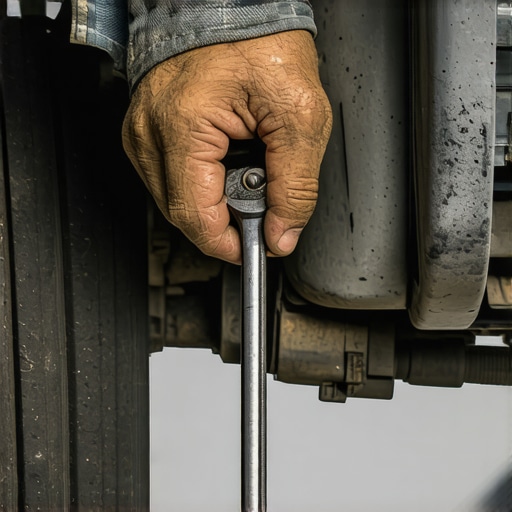
It was a chilly Saturday morning when I finally decided to tackle my stubborn oil drain bolt, a task I had avoided for far too long. I remember grabbing my wrench, feeling confident, only to have that darn bolt refuse to budge. After several frustrating minutes that felt more like an hour, I realized I was simply turning it the wrong way—or so I thought. That moment was a lightbulb for me: sometimes, the solutions to our car trouble problems are surprisingly simple, but we just need to know what to look for.
Why Your Oil Drain Bolt Gets Stuck and How It Affects Your Car
The oil drain bolt is a small but crucial part of your vehicle’s maintenance routine. When it’s stuck, it can turn a straightforward oil change into a nightmare. Over time, oil residues and grime can cause the bolt to seize up, especially if it wasn’t installed properly or if corrosion has set in. For many car owners, this feels like an insurmountable obstacle, leading to delays, increased costs, or even damaging the bolt or drain pan.
Now, I’ve learned from experience—and from countless automotive forums—that applying the right technique can save you from unnecessary hassle. In fact, a recent study highlighted that improper removal of bolts can lead to costly repairs (source: https://glassfixauto.com/troubleshooting-common-auto-repair-issues-before-visiting-the-shop). That’s why sharing this simple trick feels so important.
Are you facing a stubborn oil drain bolt yourself? Have you ever wondered if there’s an easy way to loosen it without stripping the bolt or damaging your oil pan? Stick around because what I’m about to share might just change the way you handle not only oil changes but other stubborn bolts around your vehicle.
Let’s break down the step-by-step process that’s helped me and many others to unstick that resistant bolt safely and effectively. Trust me, once you try this, you’ll wonder why you ever struggled with it in the first place.
Apply Penetrating Oil Effectively
Start by squaring your shoulders like a boxer preparing for a fight—this is a battle of patience and technique. Spray a generous amount of penetrating oil, such as WD-40, directly onto the stubborn bolt. Think of it as giving your bolt a relaxing massage to loosen it up. I once faced a particularly seized drain bolt that refused to turn; after applying penetrating oil and letting it sit for 15 minutes, I was able to turn it with less effort. The key is patience—resist the urge to brute-force immediately, as this can strip the bolt or damage your oil pan. For best results, repeat the application if necessary.
Use the Right Tools and Techniques
Next, grab a quality wrench that fits snugly over the bolt—free play is your enemy. A box-end wrench is preferable over a socket for better grip. Imagine trying to open a stubborn jar lid; you need a firm grip and the correct tool. Apply steady, even pressure—think of it as turning a faucet gently rather than twisting it wildly. Place the wrench securely onto the bolt and turn counter-clockwise to loosen. If it refuses to budge, don’t yank or apply sudden force—this risks rounding off the bolt head. Instead, consider using a breaker bar, which extends your leverage like a sports car’s turbo giving extra punch. This is especially useful when dealing with corroded or rusted bolts.
Tap and Vibrate for Looseness
If the bolt remains stubborn, gently tap around the wrench with a hammer—think of a doctor palpating a patient to identify tension. This vibration helps break the rust’s grip. Be careful not to hit too hard—accuracy matters more than force. In my case, a few gentle taps combined with applying force allowed the bolt to loosen without stripping. Alternatively, tapping the bolt directly with a hammer, using a wood block as a sacrificial pad, can also help. The idea is to introduce micro-movements that weaken the bond caused by grime and corrosion.
Use Heat to Expand Metal
If still unsuccessful, heating the bolt can work as a final push. Equip a heat gun or a small propane torch—think of it as giving the bolt a cup of hot coffee that makes it more flexible. Focus the heat on the bolt’s head for about a minute, watching for slight expansion. This technique is effective because metal expands when heated, easing the grip of rust and grime. Remember, safety first: keep flammable materials away and work in a well-ventilated area. In my experience, carefully applying heat turned a seized bolt that had stubbornly resisted every other method into a manageable twist.
Perform Safe and Final Checks
Once the bolt turns, slow down and recheck your tools and surroundings. Make sure the bolt comes out smoothly and that you haven’t damaged the threads. If it’s stripped or damaged, you might need to use a bolt extractor—think of it as a specialized tool designed to rescue a stuck bolt from defeat. Throughout this process, keep your workspace organized; a chaotic environment increases the risk of accidents or missing steps. Regularly reviewing your tools and techniques from resources like car service checklists can help ensure your approach remains effective. Mastering these steps will make future oil changes faster and less stressful, especially when facing those stubborn bolts that seem to have a mind of their own.When it comes to maintaining your vehicle, many owners operate under misconceptions that can cost them time and money. Let’s unravel some of these myths and explore the nuanced realities behind car service, brake maintenance, tune-ups, and auto repairs.
One widespread belief is that regular servicing isn’t necessary until a warning light appears. However, expert insights reveal that proactive maintenance often prevents costly breakdowns. Regular inspections can detect issues like minor brake pad wear or fluid leaks before they escalate, saving you from emergency repairs. Curious about how to keep your brake system in top shape? Check out our comprehensive brake repair guide.
Many think that brake pads are the only component needing attention during brake service. In reality, deeper elements like calipers, rotors, and brake fluid play critical roles in safety and performance. Overlooking these can lead to uneven wear, squealing, or brake failure. It’s a common trap to ignore the significance of brake fluid health; fresh fluid prevents corrosion and maintains hydraulic pressure. For a detailed understanding, visit our brake myths article.
When considering tune-ups, a pervasive myth is that they are obsolete in modern vehicles. In fact, a well-executed tune-up enhances fuel efficiency, prolongs engine life, and improves overall performance. Advanced engine diagnostics can reveal subtle issues like misfiring spark plugs or clogged injectors that aren’t apparent during standard inspections. Wondering if your car needs a tune-up? Our guide to tune-up benefits offers valuable insights.
A common mistake during auto repair is assuming that all repair shops are equally reliable. Some owners neglect to verify a shop’s reputation or ask about their expertise with specific vehicle makes. This oversight can lead to subpar repairs or unnecessary part replacements. Be cautious about the ‘parts swap’ approach and ensure diagnostics are thorough. To avoid this trap, review trusted resources and get a second opinion when unsure.
The hidden nuance lies in understanding that vehicle maintenance is not just about replacing parts but optimizing the entire system. For example, irregular driving habits can mask underlying issues, making attentive inspections even more critical. Regularly consulting expert advice and staying informed about latest trends—such as industry trends—can give you an edge.
Have you ever fallen into these traps or misconceptions? Share your experiences below and let’s discuss how to keep our cars running smoothly without falling prey to common pitfalls. Remember, informed owners are better prepared to avoid costly repairs and enjoy hassle-free driving.Maintaining your vehicle efficiently requires more than just basic knowledge; it demands the right tools and systematic approaches to ensure longevity and performance. One of my favorite investments is a quality digital multimeter. I personally rely on a Fluke 117, which provides precise readings of voltage, resistance, and current—a critical aspect when diagnosing electrical issues like dead batteries or faulty sensors. Using an accurate multimeter saves me time and prevents unnecessary repairs, and I highly recommend it for any dedicated car owner or mechanic.
Beyond diagnostic tools, a reliable set of custom socket wrenches is indispensable. I prefer a set with both metric and imperial sizes, crafted from chromium-vanadium steel for durability. These tools provide a snug grip on fasteners, reducing the risk of rounding off bolt heads during stubborn repairs. I’ve learned that investing in high-quality tools pays off in the long run, especially when working on critical components like brakes or suspension parts.
In terms of software, I utilizeOBD-II scanner apps like BlueDriver, which connect via Bluetooth to my smartphone. This enables quick access to diagnostic trouble codes (DTCs), live sensor data, and even repair reports. Having this technology at my fingertips means I can troubleshoot issues before heading to the shop, saving both time and money. These apps are becoming more sophisticated, predicting potential failures and advising on immediate steps to take, making routine maintenance more proactive.
Regularly updating your knowledge base is equally vital. I subscribe to industry newsletters and forums, such as the insight-rich auto repair trends report. Future trends like AI-assisted diagnostics and augmented reality in repair procedures are shaping the industry. Embracing new technologies now positions you ahead of the curve, ensuring your vehicle remains in peak condition even as the industry evolves.
How do I maintain my tools and methods over time?
Consistency is key. Regularly calibrate your multimeter, clean your sockets, and update your diagnostic apps. Keeping tools organized using a dedicated toolbox prevents loss and damage, ensuring longevity. A well-maintained tool set combined with up-to-date knowledge makes long-term vehicle care manageable and effective.
If you haven’t yet, try implementing a professional-grade multimeter combined with a diagnostic app. These investments can dramatically improve your troubleshooting speed and accuracy. Staying proactive with the right tools and methods will keep your vehicle running smoothly for miles to come. Remember, ongoing learning and proper tool maintenance are the backbone of effective car care—so don’t wait until a small problem turns into a costly repair. For more tips on preventative maintenance, explore our comprehensive car service checklist.
What I Didn’t Expect About Fixing Old Bolts
One of the hardest lessons I’ve learned is that patience often beats brute strength. Rushing or forcing a stuck bolt can cause more harm than good, leading to costly repairs. Sometimes, the key is simply waiting for the penetrating oil to do its magic, which taught me to approach repairs with calm confidence rather than frustration.
Why Overlooking Small Details Costs More Than You Think
I realized that neglecting minor issues, like a slight rust on a drain plug, can snowball into major problems later. Paying attention during routine maintenance — like inspecting your oil drain bolt and applying the right tools — can save time and money, emphasizing the importance of a proactive mindset.
The Power of DIY and Proper Tools
Investing in quality tools, like a dependable breaker bar or a good multimeter, transformed my approach to auto repairs. These tools not only made stubborn repairs manageable but also boosted my confidence, proving that well-chosen equipment is worth every penny and essential for any car owner keen on self-reliance.
Knowledge That Changes the Game
Staying informed through resources — such as expert blogs and detailed guides — helps you avoid common pitfalls. For example, understanding the importance of correct torque when tightening bolts prevents damage and ensures safety, turning routine car care into a skill that lasts a lifetime.
Turning Challenges Into Opportunities
Every repair challenge is a chance to learn something new. Whether it’s heating a seized bolt or correctly tapping around a stubborn nut, these moments build your skills and confidence. Embracing this mindset makes maintenance less daunting and more rewarding.
Building Confidence Through Better Resources
From trusted blogs to expert equipment, the right information and tools empower you to handle issues without panic. Remember, preventing problems often starts with a simple step — like cleaning your tools or revisiting a step in a repair manual — that can make all the difference.
Curated Gear to Keep You Ahead
Personally, I rely on a high-quality digital multimeter and a complete socket set, which are foundational for tackling electrical and mechanical tasks. These not only make repairs smoother but also teach you to diagnose problems accurately, avoiding unnecessary guesswork.
Don’t Wait for Problems to Become Emergencies
The more you learn about routine maintenance — like understanding brake system signs or how to troubleshoot a stubborn bolt — the fewer surprises you’ll face on the road. Regular checks and staying curious about your vehicle’s condition keep your car performing at its best.
Have you ever faced a seemingly impossible repair that turned out to be simpler with the right approach? Share your experiences below and let’s inspire each other to take control of our vehicle health!