
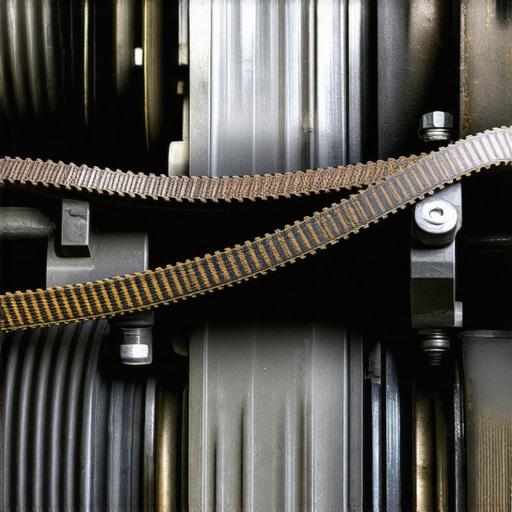
Ever been stranded in your driveway on a humid morning, only to be greeted by that relentless, high-pitched squeal from your engine? It’s enough to make your nerves fray before you’ve even had your first sip of coffee. I remember the first time I heard that piercing chirp—my heart sank. I thought, “Great, here we go again, another costly fix.” But as I dug deeper, I realized it was a common, yet often misunderstood, problem that many car owners face, especially when the weather turns humid and muggy.
Why That Chirping Drives Us Crazy and What You Can Do About It
That squealing sound isn’t just an annoyance; it’s a signal that something’s not quite right with your serpentine belt. The belt, which is responsible for powering vital parts like the alternator, water pump, and AC compressor, can start chirping or squealing in humid weather due to a variety of reasons. Humidity causes the belt to slip or lose grip, especially if it’s showing signs of wear. This not only leads to noise but can also impair your vehicle’s performance and even lead to breakdowns if left unaddressed. I’ve learned that understanding the cause can save you a ton of money and headache in the long run.
Early in my car-owning days, I made the mistake of ignoring subtle squeaks and ignoring routine maintenance. It was a costly oversight that could have been avoided. That’s why I want to walk you through the practical, proven steps to quiet that persistent chirp and keep your engine running smoothly in any weather. Because, trust me, a well-maintained belt doesn’t just prevent noise; it prevents breakdowns and keeps you safe on the road.
Will Fixing This Save My Car from Bigger Problems?
Many skeptics wonder if tackling the serpentine belt issue is really worth their time—especially when it seems minor or purely cosmetic. But neglecting a squealing belt can lead to slipping, which puts additional strain on your engine and other components. It can even cause your vehicle to overheat or leave you stranded unexpectedly. From my experience, catching and fixing belt issues early doesn’t just silence the noise; it prolongs the life of your engine and saves money. Plus, you’ll avoid the embarrassment of being that car with the squealing sound that everyone notices but no one wants to mention.
Interestingly, a study from the Auto Care Association suggests that simple, routine inspections can prevent nearly 80% of unexpected breakdowns related to belt failures—so don’t dismiss that squeal as just an annoyance. And if you’re curious about the latest auto repair trends or want tips on maintaining your vehicle in top shape, I recommend checking out auto repair trends for 2025. Now, let’s jump into what might be causing that noise and how you can fix it once and for all.
Inspect the Belt Thoroughly for Signs of Wear
Start by opening your hood and locating the serpentine belt. Visually examine it for cracks, fraying, or glazing, which indicate deterioration. I once quickly looked at my belt and missed a series of small cracks, only to have it snap during a humid day. Regular inspections prevent surprises.
Check Belt Tension and Alignment
Next, test the belt’s tension by pressing down with your finger; it should have some give but not be loose. Use a belt tension gauge for precise measurement. An overly loose belt slips and squeals; a tight one can cause premature wear. I once adjusted the tension incorrectly and ended up causing more noise—learning the right tension saved me future headaches.
Think of the belt like a tightrope walk—balance is key for smooth operation.
Clean the Pulleys and Tensioner
Dust and grime can cause slipping. Carefully clean the pulleys with a clean rag and avoid any harsh chemicals that could degrade the belt material. I used a little degreaser once, but it left residue, so I switched to a simple cloth—a lot less messy and effective.
Replace Worn or Damaged Belt
If your inspection reveals cracks or fraying, replacing the belt is essential. Loosen the tensioner based on your vehicle’s manual—generally by rotating it with a wrench—and slide the old belt off. For my first DIY replacement, I followed a YouTube tutorial, which helped me avoid common pitfalls.
Remember, a worn belt is like a frayed shoelace—eventually, it won’t hold up.
Install the New Belt Correctly
Route the new belt along the pulleys, following the diagram under your hood or in your owner’s manual. Use a diagram like this car service checklist to double-check your routing. Tighten the tensioner gradually and ensure the belt fits snugly without being overtight. During my last replacement, I double-checked the alignment and tension, which prevented squealing during the humid days that followed.
Test the System Under Operation
Start your engine and observe the belt. It should run smoothly without slipping or squealing. Listen carefully—if the noise persists, recheck the tension and alignment. A properly installed belt can dramatically reduce noise, especially when the weather turns humid.
Consider Preventative Maintenance
Making belt inspections part of your regular maintenance routine can save you from unexpected breakdowns. I schedule a belt inspection every 30,000 miles, which aligns with other tune-up tasks, ensuring peak performance year-round. For more tips on keeping your vehicle reliable, see tune-up strategies.
Many vehicle owners approach tune-ups and auto repairs with a set of assumptions that, in reality, can lead to costly mistakes. One prevalent misconception is that a simple oil change and spark plug replacement constitute a full tune-up. In truth, modern vehicles require comprehensive inspections that include checking the entire ignition system, fuel injectors, and emission controls. Relying on outdated notions can leave critical issues hidden, risking engine health and safety. For instance, some believe that preventive maintenance isn’t urgent unless there’s an obvious problem, but studies from the Auto Care Association show that neglecting routine checks dramatically increases the risk of major failures—up to 80% in some cases. Therefore, it’s vital to understand what a true comprehensive service entails, beyond just the basics. An often overlooked aspect is the significance of quality parts and proper calibration. Installing cheap or incorrect components can cause more harm than good, especially in systems like brakes or suspension, where precision matters immensely. A common trap is the myth that all brake pads are equal; however, choosing inferior pads can result in increased noise, faster wear, and compromised safety. Additionally, many believe that expensive repairs always mean the vehicle is beyond saving, but sometimes a strategic, well-executed repair can extend your car’s lifespan significantly. Especially with advanced diagnostics, technicians can identify issues before symptoms become severe, saving money and avoiding unsafe driving conditions. For example, misdiagnosing brake squeal as just a worn pad, without inspecting the calipers and rotors, could lead to rotor warping or brake failure down the road. This highlights the importance of trusting experts who utilize the latest trends in auto repair, such as advanced diagnostic tools and environmentally friendly fluids. To learn more about how regular tune-ups contribute to fuel efficiency, see [this guide](https://glassfixauto.com/how-regular-tune-ups-improve-fuel-efficiency-and-safety). Always question assumptions and seek comprehensive assessments rather than quick fixes. Remember, a well-executed service not only keeps your vehicle running smoothly but also prevents unexpected breakdowns. Be cautious of the “one-size-fits-all” approach many shops advertise, and instead insist on a tailored vehicle health check. Don’t fall for the myth that DIY is always better—expert technicians understand the intricacies of modern vehicle systems and can identify hidden problems invisible to the untrained eye. As technology advances, so should your understanding of auto maintenance. For example, stay informed about emerging trends like electric vehicle servicing or tire pressure monitoring systems to stay ahead of potential issues. Overall, treating your car with proper respect through accurate diagnostics and genuine parts will save you money and ensure safety on every journey. Do you know someone who’s fallen for these misconceptions? Share your thoughts in the comments below, and let’s keep the conversation going.
Maintaining your vehicle’s optimal performance is a continuous process that requires more than just occasional checkups. Having the right tools and a systematic approach can make all the difference in ensuring your car remains reliable for years to come. One of my go-to pieces of equipment is a high-quality digital multimeter. I use it not just for basic battery checks but also to troubleshoot complex electrical issues, like testing relays or diagnosing sensor problems. This precision tool allows me to identify subtle anomalies before they escalate into costly repairs, aligning with best practices recommended by auto repair experts.
Another essential device I rely on is a serpentine belt tension gauge. Maintaining correct belt tension is critical; too loose, and you get squeals and slipping, too tight, and you risk premature wear on pulleys and bearings. Regularly checking tension with this specialized gauge helps me avoid breakdowns caused by belt failure. Investing in such specific tools pays off by preventing unexpected repairs and extending component life.
In addition to physical tools, I champion the use of diagnostic software tailored for vehicle systems. Modern cars are equipped with numerous sensors and modules that can be evaluated using OEM or aftermarket OBD-II scan tools. I prefer diagnostic scanners that connect to my smartphone or tablet via Bluetooth, providing real-time data and troubleshooting codes. This approach not only speeds up identifying issues but also deepens my understanding of my vehicle’s health. As automotive technology evolves rapidly, staying current with such tools is vital. For insights into future trends, check auto repair trends for 2025.
How do I keep my car’s vital systems working as they should over time?
Deep regular inspections are crucial. I schedule comprehensive checks that include inspecting belts, hoses, fluid levels, and electrical connections. Using a car service checklist helps me stay organized and proactive. For example, I routinely test my alternator using a multimeter, focusing on voltage output to catch early signs of failure—something that can save me from stranded situations. Maintaining clean and secure connections, especially for the battery and grounds, also prevents intermittent electrical issues. Remember, even tiny corrosion spots can cause significant problems, so I use a mixture of baking soda solution and a wire brush for cleaning terminals effectively.
Implementing these precise methods and tools has transformed my approach from reactive to proactive maintenance. I encourage you to try using a digital multimeter or a belt tension gauge during your next checkup. Not only will you gain a clearer picture of your vehicle’s condition, but you will also develop a habit of addressing minor issues before they become emergencies. With consistent effort and the right equipment, your car can deliver dependable performance and save you money in the long run. For more expert guidance on extending your vehicle’s lifespan, visit maximizing your car’s lifespan with expert tune-up strategies.
Stumbling Upon Hidden Lessons from My Auto Repair Journey
One of the most surprising revelations I had was realizing how often simple inspections reveal underlying issues before they become costly repairs. I once ignored a faint squeal, thinking it was nothing, only to find that neglecting a minor belt crack led to a stranded night. This taught me that paying attention to minor signals can save your trust and wallet.
Another lightbulb moment was understanding the importance of proper belt tension. My initial attempt to adjust it myself resulted in more noise, but once I learned the correct tension from trusted sources like diagnostic guides, I avoided future headaches and extended the belt’s lifespan.
Finally, embracing routine maintenance actively transformed my approach. Regularly inspecting my serpentine belt, using beginner-friendly tools, and trusting reliable tutorials helped me foresee problems—making auto repair less intimidating and my car more dependable.