
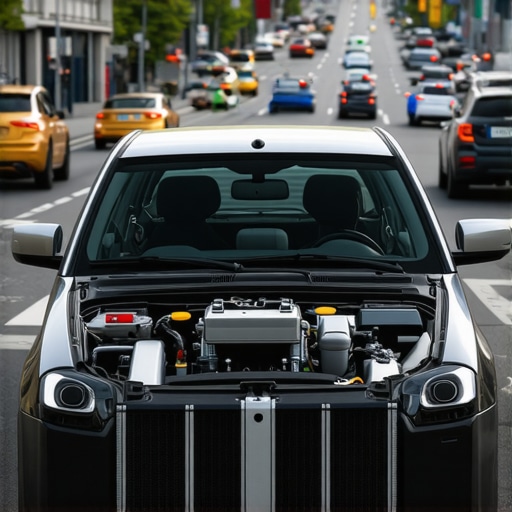
I vividly remember that sweltering summer day when I was stuck in a never-ending traffic jam. The engine temperature needle inched past the halfway mark, and I could feel sweat pooling under my collar. Just a few minutes of idling in the heat, and I knew I was heading for trouble. That lightbulb moment hit me hard—overheating isn’t just uncomfortable; it can seriously damage your car’s engine if you’re not careful. Have you ever been caught in a similar situation, watching that temperature gauge creep up while you’re powerless to do anything? If so, you’re not alone.
Why Overheating in Traffic is More Common Than You Think
Heavy traffic is often a silent killer for your vehicle’s cooling system. When your car is idling or crawling along slowly, the radiator fan and cooling mechanisms are supposed to keep temperatures in check. But many cars, especially older models or those with neglected maintenance, struggle in these low-speed situations. The result? The engine runs hotter than it should, risking overheating and costly repairs.
One mistake I made early on was ignoring regular coolant checks. I believed that if the engine wasn’t overheating during normal drives, I didn’t need to worry about the cooling system. Big mistake. Proper understanding of your vehicle’s cooling system goes a long way. You can learn more about how these systems work by checking trusted guides like this comprehensive overview of brake and cooling systems. Regular maintenance and quick fixes can prevent scenarios where your car is overheating in gridlock.
But what exactly causes this? And more importantly, how can you keep your engine cool when you’re stuck in heavy traffic? That’s what we’ll explore next. Stay tuned—simple adjustments and proactive measures can save your vehicle, your time, and your nerves.
Monitor Coolant Levels Regularly
Start by checking your coolant reservoir once a month using the engine cold. If the level is below the minimum line, top it off with the recommended coolant type. A low coolant level reduces the system’s ability to transfer heat away from the engine, increasing overheating risk. I had neglected this and faced overheating during a summer trip, which was fixable just by replenishing the coolant.
Inspect and Replace the Radiator Cap
The radiator cap maintains pressure within the cooling system, enabling it to operate efficiently. If it’s worn or leaking, it can cause a loss of pressure and overheating. I replaced my cap after noticing a coolant leak and saw immediate improvement in temperature stability. To test yours, gently remove it when the engine is cool and inspect for cracks or corrosion. Replacing a faulty cap is a quick and affordable fix that prevents major engine issues.
Clean and Maintain the Cooling System Components
Clogged radiators or dirty cooling fans hinder heat dissipation. Use a garden hose to flush the radiator and remove debris from the fins. Also, ensure the cooling fan operates correctly by turning on the AC and observing if it activates. If the fan’s not running, consider testing the fan relay or replacing the fan motor. Regular cleaning prevents buildup that can restrict airflow, which I learned firsthand after my radiator was clogged with bugs and dirt, causing overheating in traffic.
Check the Thermostat Functionality
The thermostat regulates coolant flow; if it sticks closed, the engine overheats. To test, remove the thermostat and place it in hot water with a thermometer, observing if it opens at the specified temperature. If it stays closed, replace it immediately. During my own repair, replacing a faulty thermostat stopped the engine from running hot during city traffic.
Optimize Engine Operation with Tune-Ups
Regular tune-ups improve overall engine efficiency, reducing overheating. Schedule services that include spark plug replacement, air filter cleaning, and fuel system checks. These practices ensure proper combustion and heat management. I visited a trusted mechanic, which resulted in smoother acceleration and cooler engine temperatures—an essential step for frequent city drivers. For more details on maintaining peak performance, check this guide.
Limit Idle Time and Use Engine Fans Wisely
While stuck in traffic, turn off the A/C if temperature creeps up—excess load on the engine generates more heat. Use auxiliary fans if available and keep windows slightly open to allow airflow. During a particularly hot day, I manually turned on the cooling fan switch (if accessible) and parked in the shade, which helped maintain a safe temperature. Remember, patience is vital; pushing your engine beyond its limits can lead to serious damage.
 Many vehicle owners fall prey to misconceptions about auto repair and maintenance, often leading to costly mistakes. Contrary to popular belief, not all components need frequent replacement; for example, many think spark plugs must be replaced every 10,000 miles, but in reality, modern iridium or platinum plugs can last up to 60,000 miles or more if properly maintained. Additionally, there’s a widespread myth that topping off your engine oil is a substitute for regular oil changes, which is false and can cause engine sludge. To truly optimize your vehicle’s lifespan, understanding these nuances is crucial.
A common trap is neglecting the importance of diagnosing issues before proceeding with repairs. Many people opt for quick fixes like replacing a part without identifying the root cause, leading to repeated failures. For instance, replacing brake pads without inspecting the rotors can result in uneven wear and reduced braking performance. Regularly consulting comprehensive guides such as this brake system repair overview helps prevent falling into such pitfalls.
What Advanced Drivers Often Overlook in Routine Maintenance
One nuanced aspect many overlook is the synchronization between various systems—like the cooling, ignition, and fuel delivery—that work in tandem. A subtle misfire may seem insignificant but can lead to increased fuel consumption and engine overheating if ignored. In fact, a study from the SAE International highlights how minor ignition system faults can escalate into major repairs if left unchecked. Regular, detailed inspections of these interconnected components can shield your vehicle from unexpected breakdowns.
Now, here’s an often-missed detail: the condition of your vehicle’s ECU (Engine Control Unit) software. Many assume that it’s a one-time setup, but modern ECUs can benefit from periodic updates or reprogramming to adapt to new driving conditions or aftermarket modifications. Ignoring this can compromise performance and emissions. Consulting expert resources and understanding OEM specifications can make a significant difference in your car’s health.
Finally, I want to emphasize the importance of trusting experienced technicians over quick service centers that promote unnecessary replacements. Often, they play into the myth that every problem requires a new part, ignoring value-driven diagnostics. Remember, proper troubleshooting can save you hundreds, or even thousands, in the long run.
Have you ever fallen into this trap? Let me know in the comments and share your experiences with misconceptions about car maintenance. Staying informed helps you make smarter decisions and keeps your vehicle running smoothly longer.
Keeping your vehicle in peak condition requires more than just knowing what to do—it’s about having the right tools and systems to support consistent, effective maintenance. Over the years, I’ve honed my toolkit with specific, high-quality equipment that not only saves me time but also ensures reliable results. One indispensable item is a digital multimeter, which I use to diagnose electrical issues, test battery health, and verify sensor outputs, ensuring I catch problems before they escalate. I especially recommend the Fluke 117 model for its accuracy and durability, critical when troubleshooting complex systems like your alternator or ABS module.
For coolant and fluid checks, I rely on a set of precision fluid testers that provide quick, accurate readings for antifreeze concentration and transmission fluid condition. These tools help me decide exactly when to flush or replace fluids, extending the lifespan of components and maintaining optimal engine temperatures. Additionally, a radiator pressure tester is vital for diagnosing leaks; personally, I use the Astro Pneumatic 78910 to safely check for internal faults without risking engine damage during inspection.
In terms of software, I utilize OBD-II scan tools like the BlueDriver Bluetooth OBD2 Scanner paired with an app on my phone. This combination allows me to read trouble codes, clear them, and monitor real-time data from various sensors. This proactive approach helps me understand my vehicle’s health over time, especially useful when planning tune-ups or addressing intermittent issues. Emerging trends suggest that integrated diagnostics and cloud-connected tools will become standard, providing continuous remote insights into vehicle performance—which I believe will make maintenance even more intuitive in the future.
How do I maintain my diagnostic tools over time?
Regular calibration and firmware updates are key to keeping these tools reliable. I schedule biannual firmware checks through the manufacturer’s website and use calibration kits when necessary to ensure measurement accuracy. Proper storage in a protective case prevents damage, while keeping the tools clean and free of dust preserves sensor integrity. Mastering these maintenance routines with your diagnostic equipment ensures you won’t be caught off-guard by elusive check engine lights or sensor errors.
Beyond tools, I also invest in a quality torque wrench, like the GearWrench 85077, which I rely on for precise tightening of critical components—like brake calipers or suspension mounts. Proper torque prevents overstressing parts, which can lead to premature failure or safety issues. When it comes to scheduling regular maintenance, I follow detailed car service checklists (found here), ensuring I don’t miss essential tasks like brake inspections, fluid replacements, and belt checks—key to long-term reliability.
As auto repair technology continues to advance, staying updated with the latest tools and techniques is vital. Consider subscribing to industry updates on future auto repair trends, so you can adapt your maintenance practices accordingly. I encourage you to try calibrating your multimeter or updating your diagnostic software this month—small steps that lead to big savings and safer drives over time.
When I first started taking care of my vehicle, I thought regular check-ups and fluid top-offs were enough. But mistakes like ignoring a faulty thermostat or neglecting radiator cleanliness taught me that true engine longevity comes from attention to detail and proactive troubleshooting. The hardest lesson I learned was that even small issues, when ignored, can escalate in traffic jams, leading to costly repairs and breakdowns. Now, I prioritize comprehensive diagnostics and staying ahead of signs rather than waiting for a warning light to blink.
What They Don’t Tell You About Engine Overheating
Many drivers don’t realize that a simple coolant imbalance or a worn radiator cap can cause significant overheating during traffic jams. Personal experience showed me that replacing a simple component like the radiator cap saved me from an engine overhaul. These insights weren’t obvious at first, but I learned that understanding your vehicle’s cooling nuances can save you time and money. Insider tips from seasoned mechanics emphasize regular system inspections over reactive fixes, which is a game-changer for longevity.
Gear Up With Tools That Make the Difference
Over the years, I’ve gathered a toolkit that has become essential for diagnosing and fixing overheating issues. My trusted Fluke multimeter helps me peek into electrical faults that could impair cooling fan operation. The radiator pressure tester pinpoints leaks before they become disasters. Using diagnostic software like BlueDriver allows me to read real-time sensor data and head off potential failures. These tools have empowered me to maintain my car efficiently, and I encourage every DIY enthusiast to consider investing in quality equipment.
Your Next Step: Become the Owner Who Truly Understands Their Car
Don’t let unfamiliarity or myths about auto maintenance hold you back. Embracing a proactive mindset, armed with the right knowledge and tools, transforms you from a passive driver to an empowered car owner. Remember, mastering your vehicle’s cooling system is not just about avoiding breakdowns; it’s about extending its life and enjoying safe, trouble-free journeys. Ready to take control? Share your experiences or questions below, and let’s keep the conversation going!