
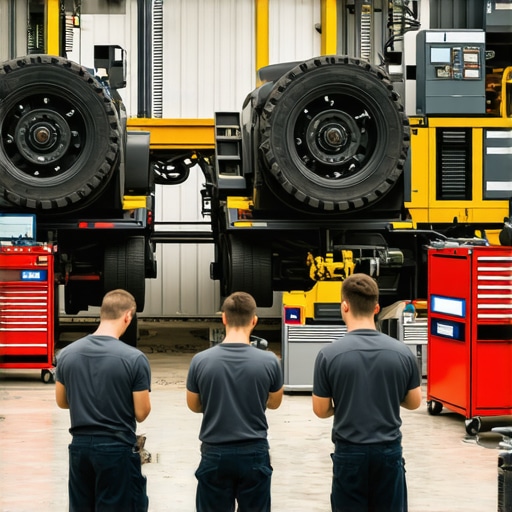
How to Tell if a Yuma Repair Shop Actually Knows Diesel Engines Before You Book
Owning a diesel vehicle in Yuma, Arizona, is a different beast entirely compared to owning one in the temperate climates of the Pacific Northwest or the humid Southeast. Down here, we don’t just deal with “warm” weather; we live in a corridor of extreme thermal stress. When the mercury hits 115°F on a July afternoon, your diesel engine isn’t just working; it’s fighting for its life. As someone who has spent years as a mechanical specialist with TENAX Technologies – inspecting, diagnosing, and repairing everything from light-duty pickups to heavy-duty industrial equipment – I’ve seen what happens when a generalist tries to tackle a specialist’s problem.
The stakes are high. A simple mistake in a diesel fuel system or a misunderstanding of a cooling cycle can lead to a $15,000 engine replacement. If you are searching for auto repair near me, you need to know that not every shop with a lift and a wrench is qualified to touch a Powerstroke, Cummins, or Duramax. In this guide, I’m going to pull back the curtain on the diesel repair industry in Yuma and show you exactly how to vet a shop before you hand over your keys.
The “Diesel Difference”: Why a Generalist Isn’t Enough
The most common mistake Yuma truck owners make is assuming that a “good mechanic” is a “good diesel mechanic.” While the basic principles of internal combustion remain the same, the execution is worlds apart. Gasoline engines rely on spark ignition; diesels rely on compression ignition. This fundamental difference dictates everything from the structural integrity of the engine block to the complexity of the fuel delivery system.
A standard Mechanic Shop Near Me might be excellent at changing the spark plugs on a Ford F-150 or fixing a vacuum leak on a Toyota Camry. However, diesel engines operate under significantly higher pressures. We are talking about fuel injection pressures that can exceed 30,000 PSI in modern High-Pressure Common Rail (HPCR) systems. A technician who doesn’t understand the cleanliness requirements or the specific torque sequences of these systems can inadvertently introduce contaminants that destroy an entire set of injectors in minutes.
Furthermore, modern diesels are burdened with complex after-treatment systems designed to meet stringent emissions standards. If a shop doesn’t understand the relationship between the Exhaust Gas Recirculation (EGR) valve, the Diesel Particulate Filter (DPF), and the Selective Catalytic Reduction (SCR) system, they will likely just start “parts cannoning” – replacing expensive sensors without finding the root cause. This is a primary reason why your truck needs a dedicated diesel mechanic instead of a general shop.
Trust Signal #1: Specialized Diagnostic Equipment
When you walk into a diesel repair shop, the first thing you should look at isn’t the waiting room coffee – it’s the diagnostic tools. A shop that relies solely on a $20 or even a $500 generic OBD-II scanner is not equipped to handle a modern diesel.
True diesel experts invest tens of thousands of dollars in OEM-level software. I’m talking about Cummins Insite, Caterpillar Electronic Technician (ET), or Ford’s IDS/FDRS. These tools allow a technician to perform bi-directional testing, such as cylinder contribution tests, forced DPF regenerations, and VGT (Variable Geometry Turbo) sweeps. Without these, the mechanic is essentially flying blind.
The Importance of Mechanical Diagnostics
Beyond the digital, look for specialized mechanical tools. For example, does the shop have a way to check for “blow-by”? Blow-by occurs when combustion gases leak past the piston rings into the crankcase. In the diesel world, excessive blow-by is often the “canary in the coal mine” for a junk engine. A shop that knows what they are doing will perform a manometer test or a simple “oil cap flip” test to gauge engine health before recommending a multi-thousand-dollar turbo replacement.
Another critical tool is the fuel system contamination microscope. With the prevalence of CP4 pump failures (common in many 2011+ diesel pickups), an expert shop will pull the fuel pressure regulator and inspect it under magnification for microscopic metal shavings. If they find “glitter,” they know the entire fuel system is compromised. A generalist might just replace the pump, only to have the new one destroyed by leftover debris within 50 miles.
Trust Signal #2: Certifications and Real-World Experience
In Yuma, we have some fantastic local talent, but you have to know what to look for. Look for ASE (Automotive Service Excellence) certifications specifically in “Medium/Heavy Truck” (T-Series) or “Light Duty Diesel” (A9). These aren’t just pieces of paper; they represent a baseline of technical knowledge that has been verified by an industry standard.
Local stalwarts like Javi’s Auto & Diesel or 3:10 Diesel Works have built reputations because they employ technicians who live and breathe diesel. My own background at TENAX Technologies taught me that heavy-duty experience is invaluable for light-duty pickups. When a technician is used to working on Class 8 semi-trucks or heavy Earth-moving equipment, they bring a level of rigor and “over-engineering” to a 3/4-ton pickup that ensures the job is done right the first time.
Ask the shop: “Who is your lead diesel tech, and what is their background?” If the answer is “Oh, we all work on everything,” that’s a red flag. You want the guy who has the Cummins or Powerstroke manual memorized.
The Yuma Factor: Cooling and Fuel Systems in 115 Degrees
Yuma’s climate is a specialized variable that many “big box” repair chains don’t fully account for. The heat here accelerates the degradation of everything – rubber hoses, plastic connectors, and especially fluids. Mango Automotive has specifically highlighted how they address “heat-driven vehicle wear in Yuma,” and this is a crucial philosophy for any diesel owner.
Thermal Management
A diesel engine generates immense heat on its own. Add 115-degree ambient air, and your cooling system is pushed to its absolute limit. A shop that knows Yuma diesels will check more than just the coolant level. They will inspect the fan clutch engagement, the cleanliness of the radiator fins (which get clogged with desert dust), and the integrity of the Degas bottle. If you suspect an issue, you should learn how to safely check for a cooling system leak while the engine is hot, but always defer to a pro for the pressure test.
Fuel Degradation
Extreme heat also affects fuel stability. In Yuma, diesel fuel can sit in tanks and undergo thermal oxidation, leading to the formation of gums and sediments. An expert shop will recommend shorter interval fuel filter changes during the summer months and may suggest high-quality additives to maintain lubricity in the fuel pump. If a shop tells you to just “follow the manual” (which might suggest 15,000-mile intervals), they don’t understand the Yuma desert.
5 Questions to Ask Before You Hand Over the Keys
Before you commit to auto repair shops yuma az, put them through this five-question gauntlet. Their answers will tell you everything you need to know.
- “Do you use OEM or high-quality aftermarket parts (like Mahle or Bosch)?” Diesels are incredibly sensitive to part quality. Cheap “white box” sensors or filters from a discount auto parts store often fail prematurely or provide incorrect data to the ECM.
- “Can you perform a forced DPF regeneration and check the ash load?” If they don’t know what “ash load” is, they aren’t diesel experts. This is critical for preventing the dreaded “limp mode.”
- “How do you test for fuel system contamination?” As mentioned, they should be looking for metal debris (glitter) in the system before recommending repairs.
- “What is your experience with heavy haulers or RVs?” Many Yuma residents use their diesels to pull massive 5th wheels. A shop that understands the load-bearing stresses of towing in the heat is a shop you can trust.
- “Do you offer a warranty on diesel-specific labor?” Diesel work is expensive. A shop that stands by its work with a 24-month/24,000-mile warranty (or better) is confident in its technicians’ abilities.
Red Flags: When to Walk Away
In my years of inspecting vehicles, I’ve identified several “tells” that indicate a shop is out of its depth:
- The “Guess and Check” Method: If the mechanic says, “We’ll start by replacing this $800 sensor and see if that fixes it,” walk away. Diesel diagnostics should be definitive.
- Lack of Dedicated Diesel Bays: Diesel engines are messy and large. A shop that tries to squeeze a dually Ram 3500 into a bay designed for a Honda Civic often lacks the specialized heavy-duty lifts and oil management systems needed for the job.
- Dismissing “Sluggishness”: If you bring in a truck and say it feels “off,” and the shop does a basic oil change and says it’s fine, they are ignoring the nuances of diesel performance. There is a specific reason why your diesel truck feels sluggish after a standard Las Cruces tune up – often it’s because the generalist didn’t check the turbo boost pressure or the fuel rail pressure under load.
Competitor Awareness & Local Context
Yuma is growing. With the $850 million Mitsui deal and the arrival of companies like EVelution Energy and Beam Global, our local economy is becoming an industrial powerhouse. This means more diesel fleets, more transport, and a higher demand for qualified mechanics.
While there are many auto repair near me options, you should prioritize shops that have deep roots in the community. Veteran-owned shops like A&R Auto often bring a level of discipline and attention to detail that is vital for complex engine work. The agricultural sector in Yuma also relies on diesel; shops that service farm equipment often have the best understanding of high-torque, high-heat applications.
The Hidden Costs of “Cheap” Diesel Repair
I often hear people complain about the hourly rate of a specialized diesel mechanic near me. Yes, it might be $20 or $30 more per hour than the guy down the street. But let’s look at the math. A generalist might take six hours to “diagnose” a problem they don’t understand, only to replace a part that wasn’t broken. A specialist with the right OEM software might find the problem in 45 minutes.
Furthermore, diesel components are interconnected. A failing injector that is “ignored” because the mechanic didn’t see a code can eventually wash down a cylinder wall with raw fuel, leading to a seized piston. In the diesel world, “cheap” is often the most expensive word in the English language.
Conclusion: Your Diesel is an Investment, Treat it Like One
Whether you’re driving a Chevy Silverado for work, a VW Jetta TDI for the commute, or a massive RV for retirement adventures, your diesel engine is a masterpiece of engineering. In the harsh environment of Yuma, Arizona, that masterpiece requires a caretaker who understands the specific demands of high-pressure combustion and extreme thermal loads.
Don’t settle for a generalist when you need a specialist. Look for the OEM software, the ASE certifications, and a deep understanding of the Yuma heat. If a shop can’t explain the “why” behind a repair, they probably don’t know the “how” either.
If you are looking for a team that understands the intersection of desert heat and diesel performance, I highly recommend visiting a specialized diesel mechanic near me. Get a comprehensive inspection, check your blow-by, and ensure your cooling system is ready for the next Yuma summer. Your truck – and your wallet – will thank you.