
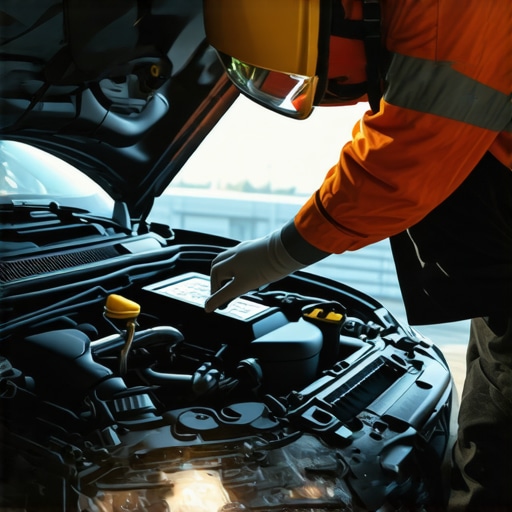
I remember the day I almost paid a hefty price because I attempted to check my car’s cooling system when the engine was still steaming hot. That quick peek left me with a burned hand and a new respect for automotive safety. It was a wake-up call that checked my curiosity—and my safety—before poking around the engine. If you’ve ever faced that fiery burst of steam or had that moment of hesitation at the coolant reservoir, you’re not alone. Many car owners grapple with the fear of damaging their vehicle or injuring themselves by trying to diagnose leaks while the engine is hot. But here’s the truth: with the right knowledge and precautions, you can conduct a safe and effective check without risking burns or further damage.
Why Checking a Hot Cooling System Needs Care
The cooling system is under pressure when the engine runs hot, making any spontaneous opening or leak potentially hazardous. The coolant, often at boiling temperatures, can spray out if disturbed improperly, causing serious burns. Moreover, pressure can be lurking in places you can’t see or measure easily. Early in my auto repair journey, I made the mistake of opening the radiator cap immediately after driving—trust me, it’s not just a bad idea, it’s dangerous. Your engine’s coolant system is complex, and mishandling it can lead to injuries or costly repairs. That’s why understanding the safety procedures is crucial. For more insight into car maintenance essentials, check out [this helpful guide](https://glassfixauto.com/tune-up-your-car-for-peak-performance-essential-maintenance-tips).
Is Checking the Cooling System While Hot Actually Safe?
Many skeptics doubt whether it’s worth the effort or too risky to inspect a hot cooling system. The key lies in knowing what to do and what to avoid. Failing to follow proper procedures can result in accidents or damage. I once tried to quickly verify a leak without releasing pressure, only to find coolant spurting out unexpectedly. That mistake taught me the importance of proper tools and timing. Always remember, practicing safety first ensures your inspection is both effective and injury-free. If you’re unsure, consider consulting a professional or learning more about safe auto repairs [here](https://glassfixauto.com/auto-repair-trends-to-watch-in-2025-staying-ahead-of-the-curve).
Prepare Your Tools and Environment
Before touching your engine, gather essential safety gear: gloves, safety goggles, and a fully functional flashlight. Park your vehicle on level ground, turn off the engine, and let it cool for at least 30 minutes to prevent severe burns from residual heat. It might seem tedious, but rushing these steps increases safety and accuracy. I once skipped this and ended up with a minor burn after rushing a coolant check—lesson learned the hard way.
Relieve System Pressure Methodically
Start by opening the radiator cap slowly to release pressure gradually, not all at once. Do this by turning the cap counter-clockwise just enough to hear a hissing sound—indicating pressure release. Always keep your face away from the opening to avoid spray burns. I once opened a hot radiator cap without releasing pressure, and coolant shot out like a geyser, dousing my arm. Taking the time to do this properly is crucial for safety.
Use Proper Protective Equipment
Wearing gloves and goggles protects your skin and eyes from hot coolant and potential splashes. Old mechanic gloves are best—they resist heat and chemicals. Remember, coolant is toxic; avoid skin contact. When I checked my vehicle’s cooling system for leaks, these precautions kept me safe while handling the coolant reservoir and hoses.
Inspect Coolant Levels and Condition
Once pressure is released, check coolant levels against the markings on the reservoir. Look for signs of contamination, such as rust-colored deposits or a syrupy consistency, indicating corrosion or wear. Turn off the engine and confirm it’s cool before unscrewing the cap completely for a view. During my first inspection, I found murky coolant and realized I needed a flush—preventing future overheating issues.
Identify Leaks and Part Wear
Look for wet spots, puddles, or crusty residues on hoses, radiator, and connections. Use a flashlight to examine tight spots. If you notice cracks or bulges, replace the affected parts promptly. I once discovered a cracked radiator hose during a routine check, which I replaced immediately, saving me from a potential roadside breakdown. Regular inspections can spot issues early, extending your cooling system’s lifespan.
Test Pressure with a Gauge
If unsure about system integrity, connect a radiator pressure tester to the cap or service port. Pump it to the recommended pressure—usually specified in your vehicle’s manual—and observe if pressure holds steady. Rapid pressure drops indicate leaks. During my experience, testing with a gauge confirmed a faulty radiator cap that wasn’t sealing properly, allowing coolant to escape under pressure, and I replaced it without hassle.
Follow Up with Flushing or Refill
If coolant looks dirty or shows signs of degradation, drain the system and flush it with distilled water or a recommended cleaner. After thorough flushing, refill with a 50/50 mix of coolant and distilled water. Always use the type specified in your owner’s manual to prevent corrosion or overheating. I performed this during a tune-up, noticing improved engine temperature regulation afterward. Regular tune-ups not only improve performance but also enhance safety and longevity.
Many vehicle owners fall prey to common misconceptions and oversimplifications when it comes to car service. One prevalent myth is that routine maintenance is only necessary when something breaks down. In reality, proactive measures, like regular tune-ups and comprehensive inspections, can prevent costly repairs down the line. Advanced car diagnostics have revealed that neglecting subtle signs—such as slight fluctuations in engine vibrations or unexpected fluid leaks—can lead to significant damage if not addressed early. Recognizing these nuances requires an expert eye and a deeper understanding of vehicle behavior, which many amateurs overlook. For instance, many believe that brake service is simply about replacing pads; however, overlooking issues like warped rotors or compromised calipers can compromise safety and even lead to accidents if not properly diagnosed. This is why consulting a professional who understands the complex interplay of automotive systems is crucial; more on these auto repair trends can be enlightening.
Why Ignoring the Fine Details Can Cost More Than You Expect
One of the most insidious traps in car maintenance is dismissing minor irregularities as inconsequential. For example, a subtle wobble in the steering wheel when braking might seem benign but can be a sign of uneven brake rotors that could warp further if ignored. Similarly, a slight decrease in fuel efficiency might be dismissed as a normal variance but could actually indicate a failing oxygen sensor or clogged injectors. These minor clues—often dismissed as trivial—are early warning signs of larger issues, and ignoring them can turn a simple repair into an expensive teardown. Studies have shown that regular inspections focusing on such nuanced aspects can extend the lifespan of vital components and improve overall safety.
Moreover, many car owners are unaware of the advanced mistakes they might be making—such as topping off brake fluid without considering compatibility, or neglecting to inspect the condition of serpentine belts, which can cause unexpected breakdowns. These mistakes are often compounded by misconceptions about how vehicle systems operate—and could be mitigated through better awareness and expert guidance. For example, some mistakenly believe that a sudden change in acceleration or unusual noises during idle are harmless, but a professional diagnosis might reveal underlying issues like transmission wear or engine misfires.
For those eager to stay ahead, delving into auto repair trends can provide insights into emerging technologies and diagnostic techniques. Remember, maintaining your vehicle isn’t just about replacing parts—it’s about understanding the intricate symphony of systems working behind the scenes. Have you ever fallen into this trap? Let me know in the comments.
Keeping your vehicle in top shape requires more than just basic knowledge; it demands the right tools and a strategic approach. Over the years, I’ve refined my toolkit to include specific equipment that not only enhances my efficiency but also ensures safety during each repair session. One indispensable item is a high-quality digital multimeter. I rely on a Fluke multimeter because of its precision in diagnosing electrical issues, such as faulty sensors or circuit shorts, which are common in modern vehicles.
Another must-have is a professional-grade torque wrench. Proper torque application prevents parts from being under-tightened or over-tightened, both of which can lead to premature failure. I personally use a click-type torque wrench set to manufacturer specifications when working on critical components like wheel lug nuts or cylinder head bolts.
For inspecting belts and hoses, I recommend a flexible, LED flashlight. I use an adjustable LED headlamp that provides bright, hands-free illumination, allowing me to identify cracks, leaks, or wear signs precisely. For instance, when checking serpentine belts, closely examining for invisible cracks is vital—this tool makes it easy.
Cleaning and maintenance also benefit from specific chemical products. I swear by a rubber-based belt cleaner and a dedicated electrical contact cleaner. These improve component longevity and ensure accurate diagnostics. Regularly cleaning sensors and contacts prevents false readings and extends their service life, aligning with expert advice from automotive maintenance guides.
In terms of software, I utilize a reliable OBD-II scanner like the BlueDriver. It’s compatible with my smartphone, providing real-time data and trouble codes, making diagnostics faster and more straightforward. With advancements predicted in [auto repair trends leading into 2025](https://glassfixauto.com/auto-repair-trends-to-watch-in-2025-staying-ahead-of-the-curve), integrating digital diagnostic tools will become even more critical for DIY enthusiasts and professionals alike.
Looking ahead, I believe the convergence of diagnostic software and hardware will lead to increasingly sophisticated tools that can diagnose problems remotely or via wireless connections, reducing downtime and increasing repair accuracy.
The Hardest Lesson I Learned About Car Service and Safety
One of the most eye-opening experiences in my auto repair journey was realizing that the simplest checks could turn dangerous if not done carefully. The importance of patience and proper procedure became clear when I narrowly avoided a burn from hot coolant spray. This taught me that every step, from releasing pressure to inspecting components, carries weight in safety and effectiveness. Never underestimate the complexity behind seemingly routine tasks—this insight has saved me—and hopefully you too—from avoidable mishaps.
Tools and Resources That Changed My Approach
Over the years, I’ve curated a toolkit that truly elevates my ability to inspect and maintain my vehicle’s cooling system safely. A reliable digital multimeter helps diagnose electrical issues influencing the cooling fan, while a high-quality torque wrench ensures proper tightening after repairs. For detailed guidance, I lean on expert articles like this comprehensive tune-up guide, which demystifies maintenance routines and highlights the importance of regular inspections. Combining the right tools with reputable information has been a game-changer for me and can be for you too.
Standout Moments That Reinforced My Trust in Proper Procedures
One memorable instance involved testing pressure with a gauge after suspecting a leak. Observing the pressure hold steady confirmed the integrity of my radiator cap, saving me from unnecessary part replacements. Such moments underscore the value of patience and precision, especially when dealing with systems under pressure. These experiences affirm that investing time in learning and applying correct procedures isn’t just about safety—it’s about extending your vehicle’s lifespan and ensuring peace of mind.
Keep Your Cool, But Don’t Rush It
When it comes to inspecting or topping off your cooling system, remember: patience is your best ally. Allow your engine to cool fully, gather your tools, and proceed step-by-step. Rushing can lead to disasters like coolant burns or overlooked leaks. Embrace the process, and you’ll find maintenance becomes less daunting—and safer. For more insights on the latest auto repair innovations, check out auto repair trends heading into 2025.
Feeling Ready to Take Safe Control of Your Cooling System
Understanding the ins and outs of working on your car’s cooling system isn’t just empowering—it’s essential for any proactive owner. Equip yourself with the right knowledge, tools, and mindset to handle these checks confidently. Remember, safety isn’t an elective; it’s the foundation of every successful repair or inspection. Start small, stay informed, and you’ll gain trust—both in your vehicle and in yourself.
Have you ever hesitated before inspecting your vehicle’s cooling system? What safety tips have you learned along the way? Share your experiences below and let’s keep each other safe on the road!