
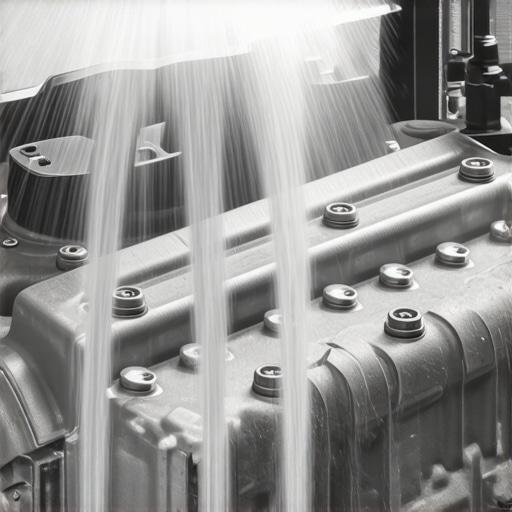
It was a morning just like any other, until I hopped into my car and noticed that strange ticking noise and a rougher idle than usual. That lightbulb moment hit me hard—maybe I’d trusted some quick fix that turned out to be more hype than help. I’ve learned the hard way that not every recommendation I hear about car maintenance is worth jumping into without some solid facts.
Today, I want to share what I’ve discovered about engine flushes—those popular treatments claiming to clean out sludge and boost engine performance. If you’ve ever wondered whether a flush is a smart move for your vehicle, you’re not alone. Many drivers are urged to grab that bottle at the auto store, but the question remains: do engine flushes really deliver what they promise?
In this post, I’ll cut through the marketing noise and personal anecdotes to give you a clear understanding based on experience and facts. I’ll explain whether flushing your engine can truly help and, more importantly, when it might actually do harm instead. In my own mishaps, I made the mistake of trusting a service that wasn’t necessary at the time, which only led to unnecessary expenses and potential damage. That’s why I’m here—to help you avoid those pitfalls and make smarter decisions about your car’s health.
Why Car Owners Should Reconsider Engine Flushes
Engine flushes became a go-to recommendation in many repair shops, promising to remove deposits and prolong engine life. But recent studies show that many modern engines are designed to handle engine oil and its byproducts quite well without extra interventions. In fact, an unnecessary flush can sometimes dislodge deposits that aid in sealing or clog vital components, leading to costly repairs.
If you’re curious about whether your vehicle could benefit from a flush or how to maintain optimal engine health naturally, stay tuned. I’ll walk you through the signs, questions, and best practices to keep your engine performing its best, without falling for every quick-fix fad out there.
For more on expert maintenance strategies, consider checking out our comprehensive guide on keeping your vehicle in top shape.
Have you experienced problems after a routine engine service? Let me know—I’ve been there, and I want to help you make informed decisions.
Park and Prepare Your Vehicle
Before starting any maintenance, ensure your car is parked on a level surface, the engine is cool, and the parking brake is engaged. Gather all necessary tools: engine flush kit, jack stands, safety gloves, and eye protection. Remember, safety is paramount—never work under an engine that’s hot or unstable.
Drain the Old Oil Carefully
Start by draining the existing engine oil. Remove the oil drain plug with a wrench, letting the oil flow into a container. To avoid spills, do this slowly. During this process, I once rushed and spilled oil on my driveway, which made a mess—so patience counts. Properly dispose of used oil at a recycling center. Draining the oil ensures the engine flush operates effectively, replacing the old, contaminated oil with fresh cleaning agents.
Pour in the Engine Flush Solution
Next, add the recommended amount of engine flush product through the oil filler cap. This step is akin to flushing out a clogged pipe; you’re aiming to rinse away sludge without dislodging beneficial deposits. Follow the product instructions meticulously, as overuse can cause issues. Start the engine and let it run at idle for 10-15 minutes, allowing the chemical to circulate and break down deposits.
Watch for Indicators During Circulation
While the engine runs, listen for unusual noises or vibrations—these could signal that the flush is working or that something’s amiss. I once neglected to monitor during a flush, and the engine started to sputter; I shut it off immediately, realizing it was overfilled. This reinforces the importance of attentive supervision.
Drain the Remaining Oil and Flush Solution
Turn off the engine and let it cool briefly. Then, drain the engine again—this time, removing the drain plug as before. This process removes the loosened sludge and the flush chemicals. Verify that the oil is clear, not dark or gritty. If needed, repeat the drain process to ensure thorough cleaning. Remember to replace the drain plug securely to prevent leaks.
Refill with Fresh Oil
Pour in new, high-quality motor oil as per your vehicle manufacturer’s specifications. This helps support engine longevity and performance. Use a funnel to avoid spills and double-check the oil level with the dipstick. Consistently monitoring oil levels, especially after a flush, preserves engine health, much like a balanced diet keeps us healthy.
Finalize and Test Drive
Start the engine and allow it to idle briefly, checking for leaks or strange noises. Take your car for a short drive, paying attention to how it runs—smoother or rougher? During my first DIY flush, I noticed slight hesitation on acceleration afterward, which was resolved by rechecking oil levels. If everything seems normal, you’re set to enjoy a cleaner engine.
Remember, engine flushes are not a cure-all. They work best when used periodically, and not as a substitute for regular oil changes. For ongoing maintenance tips, extensive guidance can be found in our car service checklist.
Many car owners believe that routine auto repair and servicing are straightforward tasks, but the reality is far more nuanced. A common misconception is that all mechanics prioritize honesty; however, some shops may recommend unnecessary services for profit. For instance, premium oil changes or frequent tune-ups might not be needed as often as advertised, especially with modern engines designed for longer intervals.
Why do some mechanics push certain services despite evidence they might not be necessary?
Studies indicate that aggressive upselling strategies often target drivers unaware of standard maintenance schedules, leading to unnecessary expenses. Educating yourself on your vehicle’s specific needs—like consulting the comprehensive auto service guide—can save money and prevent unneeded repairs.
Another widespread myth is that new brake pads resolve all brake issues instantly. In reality, your braking system is complex, involving rotors, calipers, and hydraulic lines. Simply replacing pads without inspecting other components can be a false fix, leading to premature wear or even safety risks. Brake service misconceptions often cause drivers to overlook underlying problems that require comprehensive diagnosis.
Additionally, many overlook the subtle signs of advanced issues that, if ignored, escalate into costly repairs. For example, a slight vibration at high speeds isn’t just tire imbalance—it could indicate wheel bearing failure or suspension problems. Recognizing these signs early relies on understanding the intricacies of your vehicle’s systems, which is why staying informed makes all the difference.
So, how do you navigate these hidden nuances effectively? First, develop a relationship with a trusted mechanic who can provide transparent diagnostics. Second, leverage credible resources and avoid sensationalized marketing pitches. And finally, always question what services are truly necessary based on your vehicle’s mileage and condition.
Remember, being proactive and informed is your best defense against costly and avoidable mistakes in auto maintenance. Ever fallen into a trap of unnecessary repair recommendations? Let me know in the comments. For ongoing insights into smart auto care, check out our latest auto repair trends and stay ahead of the curve.
Choosing the Right Equipment for Reliable Maintenance
When it comes to maintaining your vehicle, having the right tools can make all the difference. I personally rely on a high-quality digital multimeter because it allows me to quickly diagnose electrical issues such as faulty sensors or blown fuses, saving time and money. My preferred model is the Fluke 117, renowned for its accuracy and durability, which is crucial when testing various circuits without needing additional equipment. Additionally, a good set of mechanic’s gloves and safety glasses are non-negotiable for protecting myself during inspections and repairs.
Leveraging Software for Precision and Peace of Mind
Modern auto repair isn’t just about manual tools—software solutions have become invaluable, especially for complex diagnostics. I use a professional-grade OBD-II scanner like the BlueDriver Bluetooth Pro, which pairs with my smartphone. It provides real-time fault codes, detailed explanations, and suggested fixes. This tool helps me identify issues before they escalate, ensuring I address root causes rather than just symptoms. For long-term health, it’s worth investing in regularly updating the scanner’s software, as manufacturers release updates to keep pace with new vehicle models.
Establishing a Routine for Long-Term Performance
Keeping your vehicle in top shape isn’t a one-time effort; it requires consistent attention. I recommend setting a schedule based on your vehicle’s manual, but supplementing it with personal checks. Regularly inspecting fluid levels, tire pressure, and brake pads can prevent costly breakdowns. Using a portable caliper gauge allows me to measure brake pad thickness precisely, helping determine when professional brake service is necessary. Similarly, a flashlight with a focused beam helps me spot undercarriage issues that might be missed otherwise.
Where future auto maintenance is headed
I’m convinced that the trend toward integrated diagnostic systems will continue to grow, making vehicle maintenance more intuitive. Vehicles equipped with over-the-air software updates and predictive analytics from manufacturers like Tesla hint at a future where cars will notify owners proactively of potential issues. Staying ahead means embracing these innovations—tools like advanced OBD-II scanners and telematics devices are the way forward.
How do I maintain my car’s performance over time?
The key is consistency. Regularly scheduled tune-ups, using quality parts and diagnosing early signs of trouble with reliable tools, can extend your vehicle’s lifespan significantly. For example, monitoring your ignition coils with an inductive tachometer can prevent misfires, resulting in smoother engine operation and better fuel efficiency. Consider investing in a diagnostic app or gadget that syncs with your vehicle’s onboard system for real-time insights. Don’t forget to keep a log of all maintenance activities—this not only helps you stay organized but also adds value if you decide to sell your car someday. For comprehensive guidance, our expert tune-up strategies provide detailed recommendations to optimize longevity.
Three Unexpected Lessons That Changed My Auto Repair Perspective
Realizing that not all quick fixes are truly beneficial taught me to dig deeper before trusting a recommendation. I learned the hard way that engine flushes, while popular, aren’t always necessary and can sometimes do more harm than good if misapplied.
Another insight was understanding the importance of quality tools and diagnostics. Investing in a reliable OBD-II scanner or a digital multimeter isn’t just about fixing problems; it’s about empowering myself to make informed decisions and save money in the long run.
Finally, I discovered that the most crucial aspect of auto maintenance is consistency. Regularly scheduled tune-ups and inspections, combined with a mindful approach to repairs, prevent small issues from becoming costly repairs, keeping my vehicle running smoothly and safely.
Tools and Resources That Keep Me Ahead in Car Care
I highly recommend keeping a high-quality set of diagnostic tools, such as the Fluke 117 multimeter and the BlueDriver OBD-II scanner. These tools provide real-time insights and accurate fault codes, making troubleshooting much more straightforward.
Books like auto repair trend guides keep me informed about future developments and emerging technologies. Staying educated and adaptable is key to maintaining your vehicle effectively.
Additionally, consulting authoritative websites for maintenance schedules ensures I never miss a crucial service, saving me from unnecessary expenses and breakdowns. Remember, smart investing in your knowledge and tools pays dividends in peace of mind and vehicle longevity.
Harnessing Confidence to Keep Your Auto Future Bright
Taking ownership of your vehicle’s care is empowering—and it all begins with asking the right questions. Whether it’s determining if a particular service is necessary or understanding how your car systems work, proactive learning makes a difference. Don’t hesitate to explore resources like comprehensive auto guides or reach out through trusted repair shops for advice. Your vehicle is a significant investment; caring for it with confidence and knowledge ensures it serves you well for miles to come.