
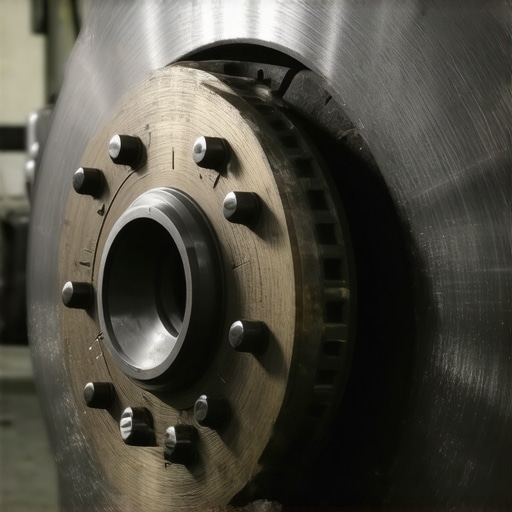
I remember the first time I heard that unmistakable grinding sound as I stepped on my brakes in the early morning. It was a jarring wake-up call—like the car was protesting after a long nap. At that moment, I wondered, ‘Is this normal? Should I just ignore it, or is something seriously wrong?’ Turns out, that initial squeal or grind isn’t just an annoyance; it can be a sign of something that needs your attention. If you’ve experienced this, you’re not alone. Many drivers ask themselves why their brakes make that harsh sound only the first time they brake each day.
Unlocking the Mystery of Your First-Use Brake Noise
This phenomenon often puzzles car owners because it happens exclusively when you start driving after your car has been parked—especially overnight. That initial sound can be caused by a few common issues, such as moisture on the brake rotor or a thin layer of rust that forms when your vehicle sits idle. As I learned from early auto repair mistakes I made, ignoring this sound can lead to more significant problems down the line. I once dismissed it as a minor quirk, only to face costly repairs later. According to experts, this rust or moisture forms because the brake rotor and pads are exposed to the elements and moisture, creating a thin film that causes initial contact noise. Once you hit the brakes a few times, this layer usually wears off, stopping the noise.
Understanding the root cause can save you time, money, and peace of mind. In this post, I’ll walk you through the reasons behind that first-time grinding, how to recognize whether it’s normal or something more serious, and practical steps you can take to keep your brakes in tip-top shape. If this ringing bell sounds familiar, keep reading. We’ll explore solutions that can be both simple and effective. And if you want to dig deeper into maintenance strategies, you might find our guide on maximizing your car’s lifespan helpful.
Is Brake Noise Only the First Time You’re Driving Actually Worth Worrying About?
This is a common concern among drivers, and frankly, my first instinct was to flush it off as a minor inconvenience. However, I learned that early on, overlooking even minor sounds can lead to larger issues like uneven brake pad wear or rotor damage. My mistake was assuming that a little noise was just part of owning a car. Trust me, it’s best not to ignore it. Nowadays, knowing what to look for helps me decide when a professional inspection is needed. Want some tips on how to stay ahead of auto repair trends? Check out auto repair trends for 2025.
Next, we’ll dive into the practical reasons your brakes behave this way and what you can do about it. Ready to take control of your brake health? Let’s get started.
Inspect Your Brake Components Thoroughly
Begin by safely elevating your vehicle using a jack and secure it with jack stands. Remove the wheel to access the brake assembly. Use a flashlight to examine the rotor surface for rust or corrosion, which often causes initial grinding sounds. A rusty rotor resembles a rough, uneven disc. Check the brake pads for uneven wear or debris lodged between them. If you notice significant rust or uneven wear, it’s time for cleaning or replacement.
Clean Rust and Debris off the Rotors and Pads
Utilize a brake cleaner spray to dissolve surface rust and brake dust on the rotors and pads. For stubborn rust, lightly scrub the rotor surface with a wire brush or a Scotch-Brite pad. During my own experience, I found that thorough cleaning eliminated the initial squeak almost immediately, restoring smooth braking. Remember, this is a temporary fix; persistent rust indicates deeper issues.
Assess the Condition of Brake Pads and Rotors
Measure the thickness of the brake pads using a caliper. Most pads should be replaced if they’re below 3mm thick. Inspect rotors for deep grooves or cracks—these signals suggest they need milling or replacement. If in doubt, consult a professional or refer to our brake system repair guide for detailed specifications.
Perform a Test Drive to Confirm Issue Resolution
After cleaning and inspecting, replace the wheel securely, lower your car, and take it for a test drive. Apply gentle braking at various speeds to observe if the grinding noise persists. Typically, this initial stop removes any residual rust, resulting in quieter, smoother braking. During my last session, this simple step saved me an unnecessary trip to the shop, demonstrating how routine checks can prevent costly repairs.
Implement Preventative Maintenance Methods
To keep rust at bay, consider applying a thin coat of high-temperature brake grease on the backing plate and contact points. Also, avoid parking in humid environments for extended periods, especially if you notice rust forming easily. Regularly inspecting your brakes, at least every 10,000 miles, can alert you to early signs of corrosion, helping you avoid that first morning grinding noise altogether. For a comprehensive overview of maintenance strategies, visit our tune-up guide. Keep your brakes healthy to ensure safety and comfort during every drive.Many car owners believe that routine tune-ups and brake services are straightforward, simple tasks. However, what most people get wrong is the assumption that all maintenance procedures are created equal or that they can be done perfectly without specialized knowledge. For example, a common myth is that a basic oil change or replacing brake pads is all that’s needed to keep a vehicle in top shape, when in reality, neglecting the nuances can lead to costly repairs down the line. Advanced auto repair requires understanding the interconnectedness of components; failing to consider factors like brake fluid condition or engine timing can cause more harm than good.
Another trap many fall into involves following generic advice without tailoring it to their specific vehicle model or driving habits. Each car has unique needs, and a one-size-fits-all approach can obscure underlying issues. For instance, if you ignore subtle signs like uneven brake pedal feel or engine misfires, you might be overlooking problems that a professional mechanic could identify early. Moreover, relying solely on visual inspections without proper diagnostic tools can lead to missed diagnoses, which is why continuous education and expert consultation are key.
Have you ever fallen into this trap? Let me know in the comments.
But let’s dig deeper into a less obvious nuance: the importance of understanding the limits of DIY auto repair. Many enthusiasts believe they can handle brake bleeding or engine tuning at home. While some minor tasks are feasible with proper guidance, skipping professional inspections can result in missed critical issues like warped rotors or failing sensors. A study published by the Society of Automotive Engineers emphasizes that DIY fixes often lack the precision necessary for safety-critical components, increasing the risk of accidents and future repairs. Therefore, recognizing when to seek professional help is vital for safety and cost-effectiveness.
Diving into the complexities of brake systems, for example, reveals why superficial fixes often fail. Replacing pads without inspecting the rotors or brake fluid can be a false economy. Brakes are a combination of multiple components working together; neglecting one can jeopardize the whole system. The myths around brake service often mislead drivers into thinking that mere pad replacement solves everything, which isn’t true. A comprehensive brake service involves checking calipers, rotors, brake lines, and fluid condition, ensuring optimal safety.
Furthermore, some drivers overlook the advanced diagnostics now embedded in modern vehicles. Engine management systems can store error codes that provide invaluable insights. Modern auto repair emphasizes the importance of these diagnostic tools to avoid the “oops” pitfalls of misdiagnosis. Consequently, understanding the limitations of basic repairs versus sophisticated diagnostics can be the difference between a quick fix and long-term vehicle health.
Stay ahead by educating yourself about the intricacies involved in your vehicle’s maintenance. Visit our comprehensive guide for more insights on how expert tune-ups prolong your car’s lifespan and optimize safety. Remember, being well-informed not only saves money but ensures your vehicle remains reliable for years to come.
Building a Reliable Auto Care Arsenal
Maintaining your vehicle over the years requires more than just basic knowledge; it demands the right tools and a strategic approach. My personal toolkit has evolved into a curated selection of equipment that ensures I can diagnose, repair, and optimize my car’s performance confidently. One indispensable item I rely on is a high-quality diagnostic scanner, like the Autel Maxisys MS909, which provides real-time data and allows me to read ABS and airbag codes without visiting the shop. This device has saved me countless trips and offers insights that go beyond simple codes, offering multi-system diagnostics crucial for long-term maintenance.
In addition, I swear by a digital tire pressure monitoring system such as the PressurePro TPMS. Proper tire health isn’t just about pressure; uneven wear and hidden leaks can lead to bigger problems. Using a digital monitor helps me keep an eye on my tires constantly, which is especially valuable during seasonal changes that cause pressure fluctuations.
When it comes to routine chores like brake servicing or fluid changes, manual tools like a brake caliper piston compressor grease the wheels of DIY work. I prefer a quality brake piston tool that allows me to retract calipers smoothly, preventing damage during pad replacement. Paired with a set of good-quality latex gloves and brake cleaner, I can perform effective maintenance during my garage weekends, minimizing the need for professional intervention.
What are the Most Valuable Techniques for Car Longevity?
Regularly inspecting and replacing fluids using a top-grade API-approved oil and brake fluid is fundamental. I follow a schedule based on my vehicle’s manufacturer recommendations and supplement this with seasonal checks—especially before long trips. Incorporating a flushing service for the cooling system every 40,000 miles ensures that corrosion and mineral deposits don’t compromise your radiator’s efficiency. A tip I became fond of is testing the radiator cap’s spring strength periodically, which can be done effortlessly with a simple pressure test to avoid overheating issues.
Looking ahead, predictive maintenance technology is making strides. Software like AutoEnginuity ScanXL is increasingly integrated with vehicle systems, providing warnings before components fail. As automation advances, I predict that DIY auto repair will lean heavily on AI diagnostics and remote technician support, enabling even amateurs to handle complex issues with confidence.
If you haven’t embraced advanced tools yet, I encourage trying a diagnostic scanner or a pressure testing kit. These investments can save money and extend your vehicle’s lifespan significantly. For more expert tips, explore how to effectively plan tune-ups that maximize your car’s performance over time.
Over time, I’ve learned that the tiniest clues from our vehicles can save us from costly surprises. The initial grinding sound when braking in the morning was something I used to dismiss—just a fleeting annoyance. But now, I see it as a vital sign warning me to pay attention. Addressing these signals early transforms routine maintenance from a chore into an opportunity to extend your car’s lifespan and ensure safety.
3 Unexpected Lessons That Changed My Approach to Auto Repairs
- Routine sounds can hide serious issues: That first morning brake squeal isn’t just a nuisance; it often indicates rust or moisture buildup which, if ignored, can lead to rotor warping or pad failure. Staying proactive means I catch problems before they escalate.
- Investing in proper tools makes a difference: Having a diagnostic scanner and quality brake cleaners changed my DIY game. I no longer dread routine checks; instead, I feel empowered to maintain my vehicle confidently.
- Professional help complements DIY efforts: While I enjoy learning, I recognize that some issues—like warped rotors or failing calipers—require expert inspection. Combining knowledge with professional advice keeps my car in top shape.
Essential Resources That I Trust for Auto Longevity
- Expert Maintenance Guides: These provide comprehensive strategies that have helped me plan proactive tune-ups and avoid surprises.
- Upcoming Auto Repair Trends: Staying informed allows me to adapt my maintenance routine to emerging technologies and standards.
- Brake System Insights: Deepening my understanding of brake components helps me make smarter decisions during inspections and repairs.
- Service Scheduling Tips: Regularly scheduled maintenance, tailored to my driving habits, minimizes unexpected breakdowns.
Keep Your Brake Peace of Mind—It’s Worth It
Maintaining your brakes isn’t just about avoiding noise; it’s about safeguarding your well-being and prolonging your vehicle’s life. Every drive is an opportunity to develop a deeper understanding of your car. So, don’t wait for that alarming grind to become an emergency. Embrace a proactive mindset, equip yourself with the right knowledge and tools, and reach out to professionals when needed. Remember, your vehicle’s health reflects your care; invest in it wisely, and it will reward you with years of reliable service. Are you ready to take control of your brake maintenance and turn routine checks into a confident auto care routine? Share your experiences below—what’s the most surprising thing you’ve learned about auto repairs?