
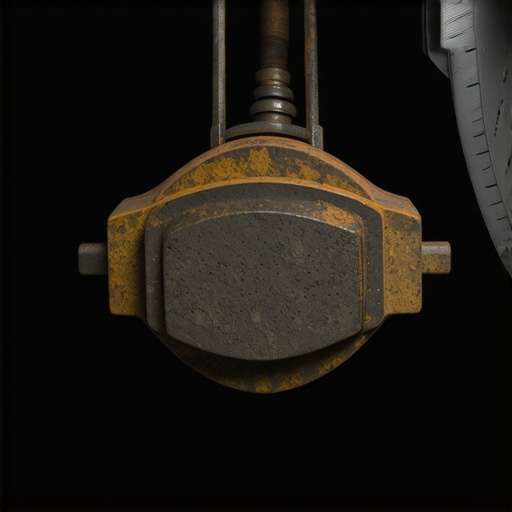
I vividly remember the first time I heard that high-pitched squeal just as I was backing my car out of the driveway. It caught me off guard—my heart sank because I thought, “Oh no, more brake problems!” That nagging noise is surprisingly common, yet many car owners dismiss it as a minor annoyance. But let me tell you—ignoring that squeal can lead to bigger, costlier issues down the road.
The Frustration of the Squeal Only When Backing Up
Have you ever experienced that loud squealing? It’s like your brakes have a mind of their own—loud and unmistakable only during those backward moments. The weird part? It doesn’t happen when you’re cruising forward, only when you’re reversing. The first few times, I thought it was just a bit of dirt or rust, so I ignored it. Big mistake. That squeal was signaling something more serious, and I nearly paid the price for dismissing it early.
The good news is, I’ve learned from my mistakes. Today, I want to share how you can diagnose and fix that specific squealing, saving you money and future headaches. No one wants to be surprised by brake failure, especially in the comfort of their own driveway. And here’s a bold promise—by the end of this post, you’ll understand exactly why your brakes squeal when backing out and how to address it effectively.
Skepticism? Trust Me, I’ve Been There
Early on, I made the common mistake of thinking that a little squeal was just a surface issue—perhaps dust or a bit of corrosion. Turns out, that was entirely wrong. The real problem was a bit more complex, involving the brake pad materials and sometimes even the parking brake components. I now know that ignoring these sounds can accelerate brake wear and even compromise safety.
If you’re worried about wasting time or money on a quick fix that won’t last, I get it. I’ve been burnt by half-measures before. But honestly, taking a little time now to understand what causes that squeal pays off. And for more insights, you might find it helpful to check out [brake service myths](https://glassfixauto.com/brake-service-myths-what-you-need-to-know-before-your-next-stop), which dispels some common misconceptions about brake noise.
So, if this sounds familiar—if you’ve faced that annoying squeal just when backing out—stick around. We’re about to dive into practical steps to troubleshoot and resolve this issue, so you can drive safely and confidently again.
Evaluate Your Brake Pads for Wear and Tear
Start by inspecting your brake pads visually, especially on the rear wheels where squeals often originate. Remove the wheel and look for thin or uneven pads, which can cause metal-on-metal contact—a common source of squealing. I remember one time when I found my pads almost completely worn out; replacing them immediately stopped the noise and improved braking response. This straightforward check is crucial because worn pads are the primary culprit for squealing during backing up. For precise guidance, consult the detailed brake inspection tips in Understanding Brake System Repairs.
Clean and Lubricate Brake Components
Contaminants like dust, dirt, or rust can cause brakes to squeal. Use a brake cleaner spray to remove grime from the backing plate and caliper contact points. After cleaning, apply high-temperature brake grease to the back of the brake pads and the contact points to prevent vibration. Once, I used a toothbrush to scrub off the rust from my calipers—this minor effort significantly reduced the squeal. Think of this process like tuning a guitar string; cleanliness and proper lubrication ensure smooth operation. Proper maintenance can prevent future issues, as emphasized in auto repair tips.
Check Parking Brake for Adjustments
If your vehicle has a drum brake on the rear, the parking brake may be slightly out of adjustment, causing it to drag when reversed. To fix this, loosen or tighten the parking brake cable as needed, which can often be done with simple tools. I once adjusted my parking brake using the access screw on the drum, which instantly stopped the squealing noise. This step is essential because a misaligned parking brake can cause constant friction, leading to abnormal brake noise. Accurate adjustment not only silences the squeal but prolongs the life of your brake components.
Test for Anti-Rattle Clips and Hardware
Loose or broken clips can cause vibrations and squeal as the brake parts rattle. Carefully examine all hardware and replace any worn clips. This is akin to securing the strings on a musical instrument; firm clips keep everything in place, preventing unwanted noise. I fixed a rattling brake by replacing a bent clip, which eliminated the high-pitched sound. For more technical insights, review brake myths and maintenance.
Consider Professional Inspection and Repair
If these steps don’t resolve the squealing, it’s wise to visit a trusted auto repair shop. Sometimes, subtle issues like warped rotors or contaminated brake fluid require expert diagnosis. I recall my experience when I attempted DIY fixes, but persistent squeals signaled deeper problems, leading me to seek professional help. An experienced mechanic can perform a comprehensive brake system check, including rotor condition and fluid quality, helping you avoid safety hazards. Proper tune-ups and timely repairs keep your brakes reliable, as highlighted in regular tune-ups and brake system maintenance.
Many car owners believe that routine tune-ups and auto repairs are straightforward tasks that require minimal expertise. However, there’s a lot more beneath the surface—misconceptions that can lead to costly mistakes. One pervasive myth is that using generic parts during repairs won’t affect your vehicle’s longevity. In reality, OEM-quality parts often ensure better performance and durability, as emphasized in how regular tune-ups boost efficiency and safety. Another misconception is that all auto services cost the same, and choosing the cheapest option is always best. But cheap repairs might compromise quality, leading to more frequent issues in the long run. Sometimes, service providers cut corners by neglecting detailed diagnostics, which can turn out to be a costly oversight. That’s why understanding the nuances of brake service, for example, is vital—panicking over a squeal only during reverse might overlook underlying issues like warped rotors or contaminated brake fluid. Interestingly, many overlook the importance of precise calibration after replacements, which directly impacts vehicle safety and performance.
Have you ever fallen into this trap? Let me know in the comments.
How can advanced diagnostics prevent unnecessary repairs?
Identifying subtle signs like uneven tire wear or slight steering vibrations can indicate deeper problems that basic visual checks may miss. Experts assert that incorporating technologies like brake fluid testers and vibration analysis tools can save money and ensure accurate repairs, aligning with trends discussed in auto repair trends for 2025. Mistakes happen when technicians rely solely on symptom-based fixes without comprehensive diagnostics or understanding the complex interactions within modern vehicle systems. Ignoring these nuances not only risks safety but might be counterproductive, leading to repeat repairs and increased costs. Remember, a well-informed approach to auto maintenance fosters vehicle longevity and safety—so question assumptions and seek detailed explanations whenever possible. For more on maintaining your vehicle’s health, visit maximizing your car’s lifespan with expert strategies.,Keeping your vehicle running smoothly over the years requires more than just occasional check-ups; it demands a set of reliable tools and a disciplined maintenance routine. One of the most valuable investments I made was in a high-quality digital torque wrench. I personally use the **TEKTON 1/2 Inch Drive Click Torque Wrench** because it provides precise torque settings, ensuring I don’t under-tighten or over-tighten components like wheel lug nuts or suspension bolts. This precision prevents uneven wear and potential safety hazards. Additionally, a good-quality code scanner, such as the **BlueDriver Bluetooth Professional DIN Scanner**, helps me diagnose engine issues early, saving on costly repairs. Regularly scanning your car’s onboard computer can reveal problems before they escalate, aligning with the trend toward predictive maintenance highlighted in [auto repair trends to watch in 2025](https://glassfixauto.com/auto-repair-trends-to-watch-in-2025-staying-ahead-of-the-curve).
3 Little-Known Truths About Brake Squeals That Changed My Approach
One of the most surprising lessons I learned was how often I overlooked simple maintenance steps, assuming squeals were always due to worn pads when sometimes, it was just contaminants or hardware issues. Recognizing these nuances helped me avoid unnecessary replacements and focus on the real problem.
I discovered that patience and detailed inspection are crucial—rushing into replacements without proper diagnosis can lead to wasted time and money. Taking the time to understand your brake system, like checking anti-rattle clips and caliper contact points, can save you from future headaches.
Finally, trusting expert advice and proper tools elevates your DIY experience. Investing in a quality brake cleaner, high-temperature grease, and a reliable torque wrench transformed my ability to keep brakes quiet and safe. These lessons are golden for any car owner wishing to dodge costly repairs by catching issues early.
Tools and Books That Truly Made a Difference
- High-Quality Digital Torque Wrench: Ensures proper tightening, preventing uneven wear and save your vehicle from potential safety hazards. I personally swear by the TEKTON 1/2 Inch Drive Click Torque Wrench.
- Reliable Code Scanner: Helps detect hidden issues early. The BlueDriver Bluetooth Scanner has been indispensable for catching problems before they turn serious.
- Auto Repair Guides: I recommend Understanding Brake System Repairs—a comprehensive resource that demystifies brake service essentials and helps you understand your vehicle better.
- Maintenance Tracker Apps: Staying on top of routine check-ups helps prevent squeals and other issues. Apps like Car Minder Plus keep track of services, reminding you when it’s time for that brake inspection or fluid change.
Push Yourself Forward—Brake Problems Are Preventable
Owning your vehicle’s maintenance journey is empowering. The squeal when backing up isn’t just noise—it’s a sign to take action. By embracing proactive diagnostics, proper tools, and a little patience, you turn car care from a chore into a rewarding habit. Remember, the key to safe and cost-effective driving is staying attentive and informed. Your brakes are vital—treat them with care and diligence, and they’ll serve you reliably for years to come.