

It was late on a foggy Tuesday night when I first realized my headlights weren’t doing their job. I had just swapped out the dim, flickering bulbs for shiny new ones, expecting my nightly drive to be a breeze. Instead, I was greeted with a dull glow that seemed to struggle against the darkness. Frustration set in as I wondered, “Did I do something wrong?” It’s a scenario many car owners experience—replacing bulbs only to find the lights still weak, leaving you in the dark—literally.
Shedding Light on a Common Auto Puzzle
If you’ve faced the same problem—headlights that refuse to shine at full brightness despite fresh bulbs—you know how confusing and dangerous it can be. Bright, clear headlights are vital for safe driving, especially at night or in bad weather. When they don’t perform as expected, it raises questions: Am I doing something wrong? Did I buy the wrong bulbs? Or is there a deeper issue lurking beneath the surface?
Is This Problem Actually Worth Worrying About?
Early on, I fell into a trap of assuming that new bulbs would fix everything. But I made a crucial mistake—ignoring the wiring connections and the condition of the entire electrical system. That oversight cost me time and money. According to experts, many dim headlight issues are not just about the bulbs but stem from aging wiring, poor connections, or worn-out components that affect power delivery. So, yes, it’s worth investigating beyond just swapping out bulbs.
In fact, addressing these underlying causes can save you from repeatedly replacing bulbs and facing the frustration of dim headlights. Instead, you’ll learn how to diagnose and fix the real problem, restoring your headlights to their full brightness and safety. Ready to get to the bottom of this? Let’s dive into the essential steps that can light the way to a brighter, safer drive.
Check the Wiring Connections
Begin your diagnosis by inspecting the wiring leading to your headlights. Locate the wiring harness beneath your hood, and carefully examine the connections for corrosion, corrosion, frayed wires, or looseness. Use a flashlight to see clearly and gently wiggle the connectors; if they feel loose or look corroded, this could be restricting power flow. I once found a corroded connector on my truck, which was causing the bulbs to glow dimly. Cleaning or replacing the connector restored full brightness without needing new bulbs.
Test the Voltage with a Multimeter
Next, use a multimeter to measure the voltage supplied to the headlight socket. Remove the bulb and attach the multimeter probes to the socket terminals—red to positive and black to ground. With the headlights on, a healthy system should provide around 12 volts. If the reading is significantly lower, there’s probably an issue in your wiring or relay. I tested mine and found only 9 volts; replacing the relay fixed the problem, bringing full voltage to the bulbs.
Inspect and Replace the Headlight Relay
The relay acts as a switch, controlling power delivery to the headlights. Locate the relay box in your vehicle (often under the hood or dashboard), consult your owner’s manual, and identify the relay responsible for headlights. Swap it with a similar relay for another function temporarily to see if brightness improves. I once swapped a relay labeled ‘fog lights’ and unexpectedly got brighter headlights—the relay was faulty and needed replacing. Replacing relays is straightforward and cost-effective.
Evaluate the Alternator’s Performance
A weak or failing alternator can reduce the voltage supplied, leading to dim lights. Test your alternator using a multimeter—measure voltage at the battery with the engine running; it should read between 13.8 and 14.8 volts. If it’s below this range, the alternator isn’t charging properly. I experienced dim headlights coupled with a battery warning light, prompting a quick alternator test—replacing it restored full brightness. Regular maintenance checks like this are vital for vehicle safety. For more tips on extending your car’s lifespan, see maximize your car’s lifespan with expert tune-up strategies.
Verify the Headlight Bulbs and Sockets
Even new bulbs can be faulty or incompatible. Remove your headlight bulbs and inspect them for darkened filaments, cracked lenses, or discoloration. Also, inspect the socket for corrosion or damaged contacts. It’s beneficial to test the bulb with a multimeter or swap it with a known working bulb. An experience I had involved installing the wrong wattage bulb, which over time led to dimming. Ensuring correct specifications and good socket contact is essential for optimal brightness. For step-by-step bulb testing, visit how to test your own spark plugs for a healthy spark.
Replace or Repair As Needed
Once you’ve identified the faulty component—be it wiring, relay, alternator, or bulb—proceed with replacement or repair. Use quality parts and follow proper safety procedures, disconnecting the negative terminal before working on electrical components. After repair, restore everything, turn on your headlights, and verify brightness. Consistent testing ensures the problem is fully resolved, preventing future dimming issues.
Further Resources
Keep your vehicle in top condition by following comprehensive checklists and troubleshooting guides, like car service checklist: how to keep your vehicle in top shape. Regular inspections save you time and money by catching issues before they escalate, ensuring safe and bright journey every time.
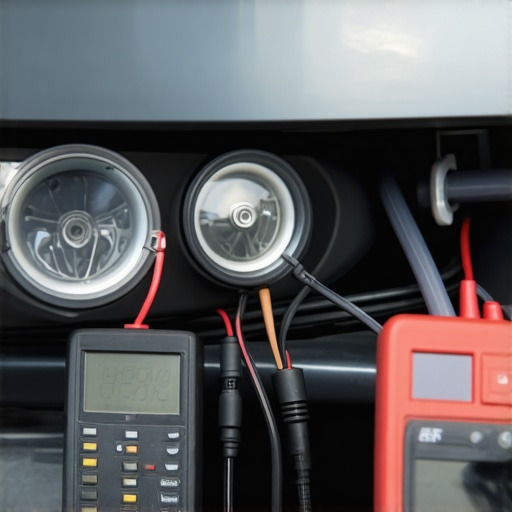
Many believe a tune-up is just about changing spark plugs and filters, but it’s much more nuanced. The common myth that only age or mileage dictate the need for a tune-up overlooks the critical role of diagnosing underlying issues like sensor failures or computer system glitches, which can cause performance drops even in relatively new cars. Experts emphasize that a comprehensive tune-up involves checking the vehicle’s electronic control modules, which, if ignored, can lead to misdiagnosis and unnecessary repairs. Rushing into parts replacement without understanding these nuances can cause more harm than good.
Another misconception is that auto repairs are always straightforward and mechanical. In reality, many modern vehicles rely heavily on integrated electrical systems and software diagnostics. For example, failing sensors or software bugs may mimic traditional mechanical failures, leading technicians astray if they rely solely on visual inspections or old-school troubleshooting methods. This is why experienced mechanics use advanced diagnostic tools to avoid costly mistakes.
When it comes to brake service, the popular belief is that squealing always means worn brake pads. Although it’s often true, some noise stems from brake dust or glazed pads, issues that can be remedied without full replacement. Conversely, ignoring subtle signs like a soft pedal or vibration can escalate into more severe problems, such as a failing master cylinder or warped rotors. Understanding the hidden signs and their causes helps prevent costly and dangerous failures.
For your advanced questions, consider this: How can vehicle manufacturers’ increasing reliance on electronics and software updates impact the reliability and diagnostic accuracy of routine maintenance? Recent industry analyses suggest that with more sophisticated systems, technicians need ongoing training and the latest tools to accurately identify issues, reducing the risk of misdiagnosis that was more common in the past. This evolution underscores the importance of choosing a repair shop that stays aligned with current auto technology trends. To learn more, explore auto repair trends to watch in 2025.
Have you ever fallen into this trap of misconceptions or overlooked these subtleties? Let me know in the comments and share your experiences!
Maintaining your vehicle’s performance over the long haul isn’t just about the occasional oil change; it’s a strategic process that involves the right tools, regular checks, and understanding which components need attention before problems arise. As an enthusiast, I’ve found that investing in specific equipment and adopting systematic procedures can make all the difference in avoiding costly repairs and ensuring reliability.
Invest in a Quality OBD-II Scanner
One of my most valuable tools is a reliable OBD-II scanner, like the BlueDriver Bluetooth Pro. Unlike generic code readers, this device connects to your smartphone, providing detailed diagnostics and real-time data directly related to your vehicle’s electronic systems. I personally prefer it because of its capability to interpret OEM-specific codes, which aids in proactive maintenance—catching issues such as sensor failures or emissions system errors early. Regular scans with such devices help me identify impending problems before they cause noticeable symptoms, saving time and money.
Use a Digital Multimeter for Precise Checks
A high-quality digital multimeter, like the Klein Tools MM6000, is indispensable for diagnosing electrical issues. I use mine to measure voltage, continuity, and resistance across various components—whether testing the alternator’s output or verifying sensor connections. Precise measurements ensure that I don’t just guess at faulty wiring or failing parts; instead, I have solid data to guide my repairs or maintenance decisions. Over time, learning how to interpret multimeter readings has transformed me from a DIYer into a more confident technician.
Keep a Maintenance Log and Schedule
Beyond tools, a systematic approach involves tracking maintenance history and planning future inspections. I recommend a dedicated digital log where you record oil changes, brake inspections, fluid flushes, and component replacements. This habit helps you anticipate the lifespan of parts like belts, hoses, and filters. For example, I schedule a serpentine belt replacement every 60,000 miles, which I track meticulously, avoiding breakdowns and ensuring optimal engine performance. Regularly updating this log also guides you on when to perform critical inspections—like checking the alternator or brake system—before issues develop into safety concerns.
The Future of Car Maintenance Tools and Methods
Looking ahead, I predict that diagnostic tools will become even more integrated with vehicle systems, leveraging AI for predictive maintenance. Vehicles are increasingly connected, allowing remote monitoring and alerts directly to your smartphone. Technologies like auto repair trends to watch in 2025 suggest that the next generation of tools will analyze data patterns and recommend specific upcoming maintenance—saving you money and preventing breakdowns before they happen.
How do I maintain my vehicle’s health over time?
The key is consistency and knowledge. Use a quality OBD-II scanner periodically to scan for issues, verify vital components with a multimeter, and keep detailed records of your maintenance activities. These habits create a comprehensive picture of your vehicle’s health, enabling you to address small problems early and extend the lifespan of vital parts.
Ready to take your car maintenance to the next level? I highly recommend trying out a multimeter like Klein Tools MM6000 to diagnose your electrical systems. It’s a small investment that pays off by preventing electrical failures and keeping your vehicle running reliably. Staying ahead with these tools and habits ensures your car remains a dependable partner on every journey.
For more advanced tips on long-term vehicle care, check out maximize your car’s lifespan with expert tune-up strategies.
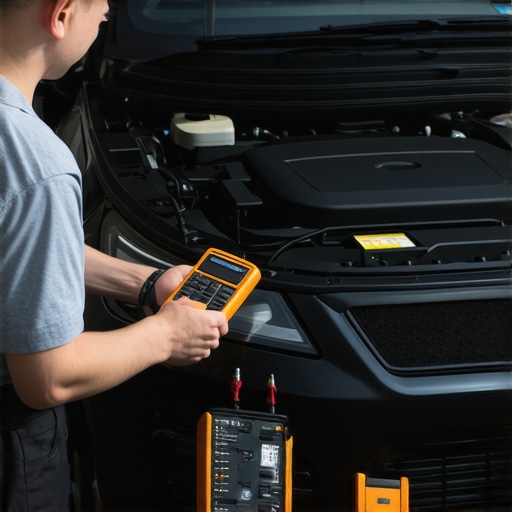
Proper maintenance depends on consistent care and the right tools. How do you plan to improve your vehicle’s health routine? Consider adding a diagnostic scanner or a multimeter to your toolkit and schedule regular checks—your car will thank you over the miles.
Throughout my automotive journey, I’ve discovered that the key to maintaining optimal headlight brightness—and by extension, vehicle reliability—lies in paying attention to the unseen details. When it comes to car care, the most overlooked issues often hold the power to save you time, money, and safety in the long run. The real secret isn’t just about replacing bulbs; it’s about mastering the art of diagnosing and addressing the root causes that dim your lights and affect performance.
Little Things That Changed My Entire Approach to Auto Repair
- The Value of Patience and Methodical Checks: Rushing to swap bulbs without inspecting wiring or relays can lead to recurring issues. Taking a step back and methodically testing each component has been my game-changer.
- Learning to Trust Data Over Assumptions: Using tools like multimeters and diagnostic scanners taught me that gauging actual voltage and reading codes beat guesswork, ensuring accurate repairs.
- Understanding Electrical System Complexity: Modern vehicles are sophisticated, making it crucial to recognize that even simple problems often have complex origins, such as faulty relays or weak alternators, which I now regularly check.
- Investing in Quality Tools: Having a reliable multimeter or an advanced OBD-II scanner allows me to catch issues early, preventing minor problems from escalating into major repairs.
- Keeping a Maintenance Journal: Documenting inspection results, repairs, and test outcomes helps me identify patterns and plan proactive maintenance, extending my vehicle’s lifespan.
Tools and Resources That Have Made a Difference for Me
- Auto repair trend reports: Staying informed about evolving vehicle electronics keeps me prepared for future challenges.
- Latest diagnostic tools: An up-to-date scanner is invaluable for accurate troubleshooting.
- Tune-up checklists: Following expert-guided routines ensures comprehensive care.
- Maintenance guides: In-depth resources help me understand each component’s role in overall vehicle health.
Embracing Your Role as Your Car’s Health Keeper
Taking ownership of your vehicle’s maintenance isn’t just practical—it’s empowering. Every time I perform a systematic check or troubleshoot an issue, I build confidence and bond with my car. The journey from frustration to mastery is paved with patience, curiosity, and a desire to learn. Remember, the insights you gain today will serve you for years and miles to come.
How Will You Brighten Your Car’s Future?
Imagine confidently diagnosing electrical issues, restoring full headlight brightness, and avoiding unnecessary repairs—all through simple tools and thoughtful attention. That’s the benefit of understanding the intricate dance of wiring, relays, and components that keep your vehicle shining and running smoothly.
What’s your next step in becoming more proactive about your car’s health? Have you found a trick or tool that made a difference? Share your experiences below—your story might inspire someone else on their automotive journey!