
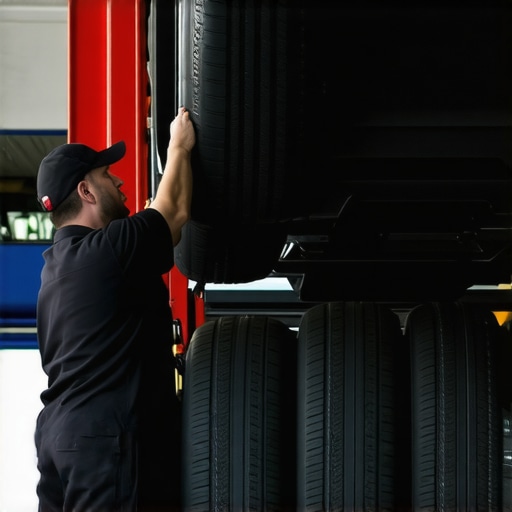
It was a scorching summer afternoon when I finally realized my tires weren’t wearing evenly. I was halfway through a long road trip, and suddenly, my car started to handle oddly — a strange vibration that sent a chill down my spine. That moment made me question everything I thought I knew about tire maintenance. Turns out, a simple oversight on my part was costing me hundreds of dollars in premature replacements.
Over the years, I’ve learned that tire rotation isn’t just a routine chore; it’s a crucial step in extending the lifespan of your tires and ensuring your safety on the road. But here’s the thing — many drivers skip this or perform it improperly, unaware of how much money and safety they might be sacrificing.
Today, I want to share with you the most effective strategies for rotating your tires, backed by personal experience and expert advice. We’ll demystify the correct order, timing, and techniques, so you can keep your car running smoothly without unnecessary expenses.
Why Proper Tire Rotation Matters More Than You Think
Many car owners overlook tire rotation, considering it a minor maintenance task. However, uneven tire wear can lead to poor fuel efficiency, compromised handling, and, worst of all, dangerous blowouts. Regular rotation helps distribute wear evenly across all tires, maximizing their lifespan and maintaining optimal performance.
When I first started ignoring my tire rotation schedule, I noticed my tires wore out faster than expected. This was a costly lesson. According to automotive experts, neglecting proper rotation can reduce tire life by up to 20%, which means you might be replacing tires months earlier than necessary. To avoid this, understanding the correct rotation pattern and sticking to a schedule is vital.
Not sure which rotation method applies to your vehicle? The best practice varies depending on your car’s drivetrain — front-wheel drive, rear-wheel drive, or all-wheel drive. Knowing this can make a significant difference. If you’re interested, I recommend checking out comprehensive guides on this topic, or even booking a service. For instance, a professional tune-up can dramatically improve your vehicle’s overall health — more about that later on. You can explore further details about [maximizing your car’s lifespan with expert tune-up strategies](https://glassfixauto.com/maximize-your-cars-lifespan-with-expert-tune-up-strategies).
Have you ever faced an issue from neglecting your tires? Or perhaps you’re unsure if it’s time for a rotation? You’re not alone. Many drivers only notice when their car starts pulling or the ride becomes rough. But proactive maintenance can save you money and prevent accidents.
Next, we’ll dive into how to determine the right rotation pattern for your car, and some common mistakes to avoid. Ready to keep your tires rolling smoothly for miles to come? Let’s get started.
Prepare Your Workspace and Gather Tools
Start by parking your vehicle on a level surface and engaging the parking brake. Gather essential tools like a jack, lug wrench, tire iron, and wheel chocks. For example, I once misjudged my workspace and realized I needed wheel chocks to prevent my car from rolling — a mistake easily avoided with proper preparation.
Loosen the Lug Nuts Before Jacking Up the Car
Using your lug wrench, slightly loosen each lug nut while the tire is still on the ground. Think of this as cracking a stubborn jar lid — applying initial force while the tire is supported ensures safety and ease. I recall struggling with tight lug nuts on my first attempt, which taught me the value of proper tool leverage and initial loosening.
Lift the Vehicle Safely
Use the jack to lift the car at the manufacturer’s recommended lift points. Position your jack under the frame or designated lift spots, and never under suspension components. A quick tip: place wheel chocks behind the opposite wheels. Once, I mistakenly jacked from a weak spot, causing instability — a reminder to always consult the vehicle manual or trusted resources.
Remove the Tires and Identify the Rotation Pattern
Unscrew the lug nuts completely and remove the tire. Refer to your vehicle’s manual or expert guides to determine the correct rotation pattern based on your drivetrain. For instance, front-wheel drive cars often require crossing the front tires to the back and swapping rear tires to the front. I once rotated my tires incorrectly, causing uneven wear — so double-checking patterns is crucial.
Swap the Tires According to Pattern
Reinstall each tire onto its new position, following the pattern. Tighten the lug nuts by hand initially to secure the wheel. Visualize this process as reassigning roles in a relay race — each tire must go to its correct new position to ensure even wear.
Secure the Tires and Lower the Vehicle
Using the jack, gently lower the car back to the ground. Once the tires touch the ground, tighten the lug nuts incrementally in a criss-cross sequence to ensure even pressure. This step is vital; I once forgot to tighten nuts properly, leading to a minor vibration at speed. Ensuring tight, even lug nut torque prevents such issues.
Check and Maintain Proper Torque Settings
Use a torque wrench to tighten the lug nuts to your vehicle’s specifications—usually listed in the owner’s manual or on a sticker inside the driver’s door. Over-tightening can warp the brake rotors, while under-tightening risks wheel detachment. I recommend doing a quick check after a few miles to ensure everything remains secure.
Final Inspection and Clean-up
Inspect your work for any loose tools or parts. Wipe down the wheels and store your tools properly. Remember, a thorough job now saves hassle later. This routine maintenance can be complemented by other essential services, such as tune-ups or brake inspections, to keep your vehicle in top shape.
Many car owners operate under misconceptions about routine auto services, which can lead to costly errors. For example, a widespread belief is that replacing brake pads alone solves all brake issues. However, features like rotors, calipers, and brake fluid are often overlooked, diminishing the effectiveness of simple replacements. Overlooking these interrelated components can cause uneven wear and compromise safety, illustrating the importance of comprehensive brake service, as detailed here. Another common myth is that annual tune-ups are unnecessary if the vehicle seems to run fine. In reality, regular tune-up strategies prevent minor issues from escalating into major repairs, extending engine life and optimizing performance. Consider the misconception that all auto repairs are equally complex and require a mechanic; some advanced issues, like diagnosing a misfire or detecting coolant leaks, demand not only specialized tools but also a deep understanding of vehicle systems. DIY attempts can inadvertently cause more harm if proper diagnostic procedures are not followed. For instance, neglecting to check the wiring harness or sensors involved in engine control modules could lead to persistent driveability problems, as discussed in this article. A subtle yet critical mistake is assuming that all vehicle fluids, such as transmission fluid or brake fluid, are lifetime and never need changing. Yet, according to automotive experts, many fluids deteriorate over time, affecting performance and safety. Advanced car maintenance involves understanding these nuances—like the proper inspection of serpentine belts or monitoring for early signs of component failure—which can save money and enhance safety. Remember, rushing these delicate procedures or skipping them because “everything looks fine” can lead to catastrophic failures down the line. Have you ever fallen into this trap? Let me know in the comments. Mastery in auto repair isn’t just about following standard protocols but recognizing and addressing these often-overlooked details to keep your vehicle in top shape effectively.Maintaining your vehicle’s performance over the long term requires more than just good intentions; it demands the right tools and a disciplined approach. I’ve found that investing in high-quality equipment and understanding proper methods can make auto maintenance a straightforward, even enjoyable, task. One tool I personally rely on is a digital torque wrench. Unlike traditional models, my digital torque wrench provides precise torque readings, which is crucial when tightening lug nuts or engine components. It eliminates guesswork, reducing the risk of over-tightening that can warp brake rotors or under-tightening that compromises safety. For example, I use the Bosch Digital Torque Wrench, which seamlessly connects to my smartphone via Bluetooth, letting me set torque specs accurately and recording each session, ensuring consistency every time I perform a wheel rotation or brake service.
The Hardest Lesson I Learned About Auto Repair
One of my most vivid lessons was realizing that skipping routine maintenance like tire rotation can lead to costly repairs down the road. I once ignored my maintenance schedule, and it cost me hundreds when my tires wore unevenly, causing handling issues. Now, I know that sticking to a regular schedule, tailored to my vehicle and driving habits, is key to long-term savings.
3 Myths About Car Service That Held Me Back
I used to believe that all auto repairs were equally complicated and best left to professionals. But I’ve learned that many simple procedures, like checking your brake fluid or inspecting your serpentine belt, are manageable with the right tools and knowledge. Dispelling myths like this empowers you to take control of your vehicle’s health.
What Experts Won’t Tell You About Brake Maintenance
Many overlook the importance of comprehensive brake service, assuming changing pads alone suffices. However, professionals recommend inspecting rotors, calipers, and brake fluid for optimal safety and performance. Regularly educating yourself on these nuances can prevent dangerous brake failures and save money.
My Essential Toolkit for Auto Care
Investing in quality tools like a digital torque wrench has transformed my approach to car maintenance. It ensures precise tightening, prevents damage, and extends component lifespan. Trusting reliable gear and understanding proper techniques make routine tasks smoother and safer.
The Power of Routine Maintenance
Consistent auto care—like scheduling tune-ups and fluid checks—has profoundly improved my vehicle’s performance. It prevents minor issues from escalating and maintains fuel efficiency. Staying proactive is the best way to avoid unexpected breakdowns and costly repairs.
Your Turn to Take Action
Remember, mastering simple auto repair and maintenance moves is within your reach. With the right knowledge and tools, you can keep your vehicle in top shape and save significantly over time. Start today by evaluating your maintenance routine—your car and wallet will thank you.