

Ever been caught in that panic moment where your steering wheel feels like it’s made of lead just as you’re about to park? I remember one chilly morning when I wobbled into a parking space, struggling to turn that stubborn wheel. It was more than just annoying — it was unsettling. That lightbulb moment sent me on a journey to uncover why steering can suddenly turn into a heavy, unwieldy mess.
Shedding Light on the Heavy Steering Mystery
In my early days of car ownership, I fell for the misconception that heavy steering during parking was just a quirk of an old vehicle or perhaps a sign I needed a new power steering pump. Wrong. It’s a common issue that can stem from various causes, and understanding them is the first step to regaining smooth maneuverability. The good news? Most of these problems are fixable with a bit of guidance and some routine maintenance. And if you’re thinking, “Is this worth the effort?” consider this: proper steering not only makes your drive more enjoyable but also safer — especially in tight spots. Regular tune-ups can keep your steering system in top shape, preventing much bigger headaches down the road.
Is It Time to Worry About Your Power Steering?
I must admit, early on, I mistakenly ignored that heavy steering sign, assuming it was a fluke or perhaps a temporary glitch. That mistake could have led me to a costly repair. The truth is, heavy steering at parking speeds often hints at issues like low fluid levels or worn-out components, which are simple to diagnose if you know what to look for. Now, I pay closer attention to my vehicle’s responses, and I suggest you do the same. Facing this problem head-on with a basic check can save you a lot of trouble. Stay tuned, because next, we’ll delve into easy steps to diagnose and fix this pesky issue — and how to avoid it happening again.
Check Your Power Steering Fluid First
My most recent fix started with a simple step—checking the power steering fluid level. I opened the hood, located the reservoir, and noticed it was nearly empty. Low fluid can cause that heavy steering feeling. I added the recommended fluid, but nothing changed. This quick check saved me a trip to the mechanic and allowed me to troubleshoot further.
Inspect the Power Steering Belt
The belt drives the power steering pump, acting like a dedicated muscle in your car’s system. If it’s loose, glazed, or cracked, it won’t turn the pump efficiently. I examined the belt—flexible, no cracks, tight enough by pressing with my finger. A loose belt can slip, reducing hydraulic pressure. If your belt shows wear, replacing it is straightforward and cost-effective.
Test the Power Steering Pump
With the engine running, I turned the steering wheel from lock to lock, listening for whining noises or struggling. The pump should be engaging smoothly. If I heard whining or that the wheel remained heavy despite fluid and belt checks, the pump might be failing. Pump failures often involve internal seals or worn gears that reduce hydraulic pressure.
Diagnose with a Pressure Test
If basic checks don’t solve the issue, a professional pressure test can reveal if the pump maintains proper pressure. This process involves attaching a gauge to measure hydraulic force. For DIY, it’s best to visit a trusted shop that offers troubleshooting services to avoid misdiagnosis.
Resolve Leaks and Air Entrapment
Leaks in hoses or the pump itself can deplete fluid quickly, causing heavy steering. I visually inspected all hoses for cracks, damp spots, or loose clamps. Air trapped in the system can also cause a spongy feel or heaviness. Bleeding the system involves turning the steering wheel back and forth with the engine running and fluid topped up, ensuring no air remains.
Replace Worn Components
If after all these steps, the steering remains heavy, parts like the power steering pump or steering rack might need replacement. As I learned from my own repair journey, this step requires careful diagnosis—consulting a auto repair expert can save money and prevent unnecessary parts swaps.
Maintain Regular Tune-ups
Preventative maintenance is vital. Regular tune-ups keep all systems in check, avoiding unexpected heavy steering issues. Keep an eye on fluid levels, belt condition, and listen for odd noises—these signs often precede larger problems.
By systematically examining fluid levels, belts, pumps, and potential leaks, you can often fix heavy steering during parking without major repairs. Just like I did in my last fix, a methodical approach saves time, money, and keeps you safe on the road.
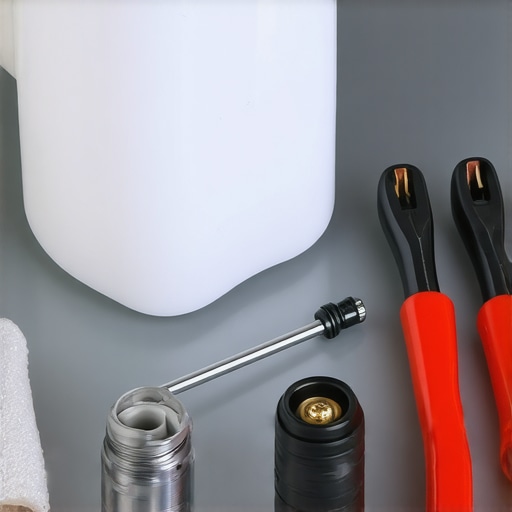 Many car owners operate under misconceptions about auto maintenance, often leading to costly mistakes. A prevalent myth is that all tune-ups are unnecessary if the car runs fine. In reality, regular tune-ups not only improve performance but also prevent small issues from escalating. Another false belief is that brake pads last forever; in truth, regular brake service is essential to avoid uneven wear and safety hazards. Many assume that bleeding the brake system is optional — but neglecting this step can trap air and reduce braking efficiency, especially after rotor or caliper replacements. Advanced car owners should pay attention to less obvious factors, like the importance of inspecting the entire cooling system rather than just replacing a radiator hose, to prevent engine overheating. Studies show that overlooked cooling issues can significantly shorten engine lifespan, so a comprehensive vehicle service checklist is crucial for optimal health. Moreover, many believe that older cars don’t benefit from upgrades, but applying modern diagnostics and maintenance techniques can revive performance and efficiency. For example, computerized wheel alignments are more precise than manual adjustments, yet many overlook the need for occasional realignment—especially after hitting potholes. Incorrectly assuming that all auto repairs are straightforward, such as ignoring subtle transmission shudders, can cause long-term damage. A nuanced understanding of these details is vital. Would you be surprised to learn that neglecting small maintenance tasks now often results in larger repairs later? Stay vigilant, keep your vehicle thoroughly checked, and don’t fall for common myths that can cost you. Have you ever fallen into this trap? Let me know in the comments!
Tools that Keep Your Vehicle Running Smoothly
Having the right equipment is essential for effective auto maintenance. I personally rely on a quality digital code reader like the Autel MaxiCOM series. It allows me to diagnose engine trouble codes quickly, saving me time and money by identifying issues before they escalate. A reliable tire pressure gauge is also a must; I prefer digital variants for their precision, ensuring I maintain optimal PSI for better fuel efficiency and tire longevity. For fluid checks, I use a transmission fluid tester that visually confirms whether your fluid is contaminated or needs replacing, which is a crucial step many overlook.
Software and Diagnostics That Make a Difference
Modern vehicles come equipped with onboard diagnostics that can be accessed via specialized software. I use OBD-II adapters connected to my smartphone to monitor real-time data like coolant temperature, RPM, and fuel trims. These tools help me catch issues early and understand how my car responds to minor tweaks. As technology advances, the trend is moving toward cloud-based maintenance trackers that sync with your vehicle’s OBD system, offering insights and alerts on when to schedule your next tune-up.
Establishing a Routine to Keep Equipment Up-to-Date
Regularly updating your diagnostic tools’ firmware and software ensures compatibility with new vehicle models and the latest diagnostic protocols. I set a biannual reminder to contact the tool manufacturer’s support via their support portal for updates. This simple step guarantees that my diagnostic data remains accurate, and I can troubleshoot with confidence. Additionally, calibrating your tire gauge and fluid testers periodically helps maintain measurement accuracy, which directly impacts your vehicle’s safety and efficiency.
How do I maintain tools and software over time?
Store your tools in a clean, dry place to prevent corrosion, and perform regular testing to ensure they work correctly. Keep your software subscriptions active and stay informed about updates published by manufacturers. Engaging with online forums or manufacturer webinars can also provide insights into new features or troubleshooting techniques. For instance, staying current with auto repair trends helps you adapt your maintenance kit to future challenges.
The Future of Auto Maintenance Tools
As technology advances, expect integration of AI diagnostics and machine learning into home-maintenance setups. These innovations will enable even novice car owners to perform complex diagnostics accurately, much like professionals. Combining traditional tools with smart devices will create a seamless maintenance experience, ultimately extending your car’s lifespan and enhancing safety. I recommend trying out a smart OBD-II device with mobile app integration; it’s a game-changer in proactive vehicle care.
Remember, regular maintenance is more than just a routine—it’s your best defense against unexpected breakdowns. Invest in quality tools and stay updated with the latest tech to keep your vehicle running smoothly for miles to come.

Image prompt: Close-up of a mechanic’s toolkit including a digital code reader, tire pressure gauge, and transmission fluid tester, with a car engine in the background. Alt: Auto repair tools laid out neatly for vehicle maintenance. Title: Essential Tools for Maintaining Your Vehicle’s Performance.
Three Surprising Truths I Wish I Knew Early in Auto Maintenance
- The Power of Preventative Care: Realizing that regular tune-ups and fluid checks can prevent costly breakdowns taught me that investing a little time regularly saves much more money and stress down the line.
- Don’t Ignore Small Symptoms: That persistent squeal or a slight pull can be signs of bigger issues. Addressing these early with diagnostics like from trusted troubleshooting services can save you from major repairs later.
- Tools Make the Difference: Equipping myself with a quality digital code reader and other gadgets transformed how I approach repairs — turning guesswork into data-driven decisions.
My Go-To Resources That Keep My Vehicle Healthy
- Auto Repair Trend Reports: Staying ahead with latest industry insights ensures I’m aware of upcoming tech and repair techniques.
- Recommended Diagnostic Tools: My go-to gadgets help me catch issues early, saving both money and downtime.
- Trusted Mechanics and Shops: Building relationships with reputable professionals, like those at local shops, provides peace of mind when facing complex repairs.
- Educational Content: Resources such as detailed guides help me understand what my car needs and why — empowering me as a car owner.
Keep Your Confidence Behind the Wheel and Maintenance
Remember, mastering auto maintenance isn’t about becoming a mechanic overnight. It’s about arming yourself with knowledge, the right tools, and a proactive attitude. Every small step you take today towards understanding your vehicle’s needs builds confidence and safety for your journeys ahead. Embrace the learning curve, stay curious, and your car will thank you for it. What’s been your biggest lesson learning to maintain your vehicle? Share your story below, and let’s grow together in this auto care adventure.