
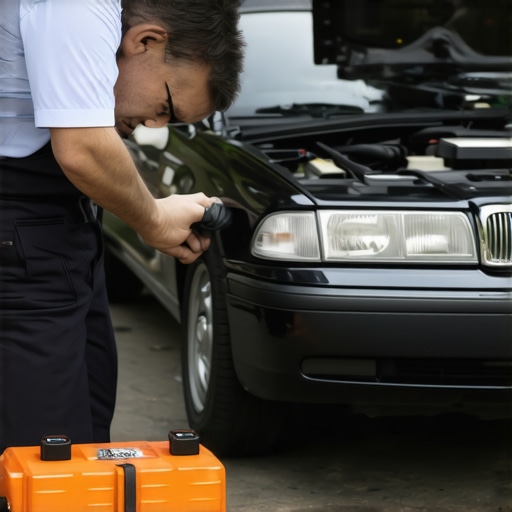
One chilly morning, I turned the key in my car’s ignition, expecting it to roar to life like always. Instead, it grumbled, stubbornly refusing to start. I found myself glassy-eyed, turning the key again and again, feeling that familiar sting of frustration. That small moment of doubt—”Is something really wrong?”—turned into a mini crisis. Sound familiar? If your car only starts after a couple of tries, you’re not alone, and there are reasons behind this puzzling behavior.
Let’s Get to the Heart of the Problem
Understanding why your car struggles to start on the first try can save you time, money, and that sinking feeling of being stranded. Often, it’s a sign that something needs a closer look—whether it’s your battery, fuel system, or ignition components. The good news? Many of these issues are fixable, especially if caught early. I’ll walk you through common causes and practical steps, so you can get back to worry-free mornings.
Is It Worth Fixing or Just an Old Car Quirk?
Back in the day, I made the mistake of ignoring that slow-starting pattern, thinking it was just a normal sign of aging. Turns out, neglecting small signs can lead to bigger headaches down the road. Before you jump to conclusions, take a moment to consult reliable guides like this car service checklist to understand maintenance priorities. From my experience, addressing minor issues early is often more cost-effective than waiting for a breakdown.
Are you tired of the morning ritual of multiple attempts just to get your car running? If yes, then stay tuned. We’ll explore the root causes step by step, sharing insights drawn from real-world auto repair realities. This isn’t just theory; it’s practical knowledge I’ve gained from helping neighbors—and I want you to benefit from it too.
Check Your Battery Before Anything Else
Start with the simplest culprit: your battery. A weak or aging battery often causes slow starts. To test this, turn on your headlights; if they appear dim or flicker, your battery might be the problem. Using a multimeter, measure voltage—anything below 12.4 volts indicates a weak charge. I once lifted my car hood, pulled out a basic multimeter, and surprisingly found my battery drop to 11.8 volts on a cold morning—signaling it was time for a replacement. Regularly inspecting and maintaining your battery ensures reliable starts.
Inspect the Fuel System for Clogs and Leaks
Ensure Fuel Delivery is Steady
Next, examine your fuel system. A clogged fuel filter or failing fuel pump can cause insufficient fuel reaching the engine, leading to slow startups. To diagnose, listen for a humming sound from the fuel pump when turning the key, or check for fuel pressure with a gauge. Remember, a dirty fuel filter acts like a restrictive straw—limiting flow. Replacing a clogged filter saved me from frequent hesitant starts, and it’s a cost-effective fix. Regular fuel system checks keep your engine running smoothly.
Adjust the Spark Plugs and Ignition Components
Worn or fouled spark plugs can cause weak ignition sparks, delaying engine start. Remove and inspect your spark plugs; if they’re blackened, worn, or have carbon buildup, replace them. I once skipped this step, and the car kept firing irregularly. Fresh spark plugs provide a strong spark, igniting the fuel-air mixture efficiently. Ensuring your ignition system is in top shape prevents those frustrating slow starts.
Assess the Starter Motor and Wiring
The starter motor is the engine’s initial push to begin combustion. A sluggish or malfunctioning starter can cause slow cranking. To test, listen for clicking sounds or slow rotation when you turn the key. Loose or corroded wiring exacerbates the problem. I experienced this myself when wiring connections became rusty; cleaning and securing them restored quick starts. Regularly inspecting and tightening starter wiring makes a significant difference in engine responsiveness.
Evaluate Engine Conditions and Sensors
Modern vehicles rely on sensors like the coolant temperature sensor, which signals engine readiness to the ECU. A faulty sensor may cause delayed starts if it misreads engine temperature, causing improper fuel mixture. Using a diagnostic scanner, I checked for error codes related to sensors, replacing a malfunctioning coolant sensor that was giving false readings. Routine diagnostics can pinpoint such electronic issues, streamlining repairs and preventing repeated problems.
Maintain, Monitor, and Prevent Future Problems
Every component you inspect and replace adds to the longevity and reliability of your vehicle. Regularly consult the car service checklist to stay ahead of potential issues. A holistic approach—combining battery care, fuel system cleaning, ignition checks, and sensor diagnostics—saves you money and time in the long run. When in doubt, a professional inspection can reveal hidden problems before they cause breakdowns, keeping your morning routine smooth and stress-free.
Most drivers believe that a simple tune-up or routine brake service is just a basic task, but in reality, there’s a lot of nuance that many overlook. One common misconception is that all tune-ups are created equal; however, the specifics of what to replace or adjust can make a significant difference in your vehicle’s performance. For example, some shops might just replace spark plugs without considering the condition of ignition coils or the fuel system, leading to subpar results. According to auto maintenance expert Mark Ortiz, a comprehensive tune-up should address all critical components, including sensors and electronic systems, not just the traditional parts. Regular tune-ups can enhance fuel efficiency and safety when done correctly.
What most people get wrong about brake service
Many assume that brake pads are the sole component needing attention, but the real hidden nuance is the importance of brake fluid and caliper inspection. Brake fluid absorbs moisture over time, which can lead to corrosive damage and spongy brake feel—an issue often misunderstood as simply worn pads. Skipping this step can result in expensive rotor or caliper repairs later. A common trap is thinking that squealing brakes always mean pad replacement—sometimes it’s just the need for a brake fluid flush. Remember, a proper brake inspection includes checks on fluid, rotors, calipers, and lines.
How advanced auto repair is not just about parts swapping
Many drivers believe that auto repair is simply replacing broken parts, but modern vehicles demand a nuanced understanding of electronic systems and sensors. For instance, a malfunctioning coolant temperature sensor can cause rough idling or poor fuel economy, and replacing it without testing may not resolve the issue. An expert mechanic utilizes diagnostic scanners and understands system interdependencies, ensuring they don’t just replace parts but also reprogram or recalibrate systems. This is where diagnostic troubleshooting knowledge becomes critical. Falling into the trap of replacing parts without proper diagnostics can lead to unnecessary expenses and continued frustration.
Do you ever wonder why some repairs seem straightforward but turn into costly lessons? Understanding these nuanced differences can save you money and extend your vehicle’s lifespan. Keep in mind that regular consultations with trusted professionals who stay updated on auto repair trends can help you avoid common pitfalls. Have you ever fallen into this trap? Let me know in the comments.
Investing in the Right Equipment for Long-Term Success
Maintaining your vehicle isn’t just about knowing what to check—it’s about having the right tools and software to diagnose and address issues efficiently. I personally rely on a high-quality multimedia scan tool, like theAutel MaxiCOM MK808, because it allows rapid identification of engine codes, sensor malfunctions, and electronic glitches without needing to visit a mechanic every time. This device is invaluable for quick diagnostics at home, saving both time and money, and helps me prioritize repairs before things escalate. Additionally, a digital multimeter with auto-ranging capabilities is essential; I use mine daily to test battery voltage, alternator output, and sensor signals, ensuring everything remains within optimal ranges. Regularly updating your vehicle’s software using manufacturer-specific diagnostic scanners keeps the vehicle’s ECU current and responsive, which is crucial given the trend toward electronic-intensive systems in newer cars. Preemptive troubleshooting tools empower you to catch problems early, avoiding costly breakdowns and extending your vehicle’s lifespan.
Developing Maintenance Rituals with Precision Techniques
Beyond tools, establishing a systematic approach keeps your car performing at its best. I recommend scheduling periodiccomprehensive inspections—at least every six months—to assess fluid levels, belt conditions, and sensor calibrations. To do this thoroughly, I use alaser infrared thermometer to check engine component temperatures, identifying overheating hotspots that might indicate failing cooling fans or sensors. For brake maintenance, I trust adigital brake fluid tester to determine moisture content since old or contaminated fluid can vastly reduce braking efficiency, especially in hot weather or during long drives. This approach aligns with expert advice in automotive maintenance, emphasizing the importance of proactive care over reactive repairs. Regularly referencing the official maintenance checklist ensures you don’t overlook critical components, making each service a strategic step toward longevity.
Where Do I Keep My Maintenance Routine Flexible?
While consistency is key, knowing when to be flexible with your schedule can prevent issues. For example, the trend towardssmart diagnostic apps in vehicles, like Tesla’s over-the-air updates, indicates that software can often solve or prevent problems without physical intervention. For traditional vehicles, I subscribe to auto repair trend analyses that predict the importance of integrating digital tools into routine maintenance. Keeping abreast of these developments allows you to adapt quickly, ensuring your maintenance practices remain effective. Plus, by implementing diagnostic routines with trusted tools, you’ll be able to identify issues like sensor misalignments or fuel system anomalies before they cause inconvenience or safety concerns.
How do I maintain my tools and methods over time?
My best advice is to stay diligent with software updates and calibrate your testing equipment regularly. For example, I set reminders for firmware updates on my diagnostic scanner, ensuring compatibility with the latest vehicle models and firmware patches. Investing in quality, durable test instruments also minimizes errors caused by faulty equipment. Remember, as vehicles evolve with new technology, your maintenance toolkit must evolve too. A good practice is to follow trusted automotive blogs and industry experts, like the insights shared in future repair trends, to stay ahead of the curve. Trying out new diagnostic or calibration methods periodically can significantly improve your vehicle’s performance and reliability, providing peace of mind on the road.
Over the years, I’ve realized that caring for your vehicle isn’t just about fixing problems—it’s about understanding the subtle lessons behind each maintenance task. The most valuable insights often come from overlooked nuances, like how a simple spark plug replacement can teach you about the importance of timing and calibration. These lessons help you anticipate issues before they escalate, saving you time and money.
My Biggest Wake-Up Calls in Auto Maintenance
- Ignoring early signs often leads to costly repairs. I once brushed off a slow-starting engine, only to face a major ignition coil failure months later. This taught me that proactive checks beat reactive fixes every time.
- The right tools make all the difference. Switching from basic screwdriver to professional diagnostic scanner transformed how I approach troubleshooting—making repairs quicker and more accurate.
- Understanding electronic systems is crucial in modern cars. A faulty sensor can cause multiple issues that seem unrelated. Learning how systems connect has helped me diagnose complex problems with confidence.
Tools and Resources I Rely On for Better Car Care
- Comprehensive maintenance checklists guide me through regular inspections, ensuring I don’t overlook critical components.
- Diagnostic troubleshooting guides have saved me from unnecessary part replacements, focusing instead on root causes.
- The manuals and expert articles help me understand the why behind each repair, enhancing my confidence and competence.
Keep the Momentum Moving Forward
Your vehicle is more than machinery; it’s part of your daily life and safety. Embracing continuous learning and staying engaged with quality tools and advice empowers you to handle issues before they become emergencies. Remember, every car problem is a chance to learn something new—so stay curious and proactive. Have you ever discovered a hidden issue during routine maintenance? Share your story below and let’s grow together in this journey of automotive mastery.