
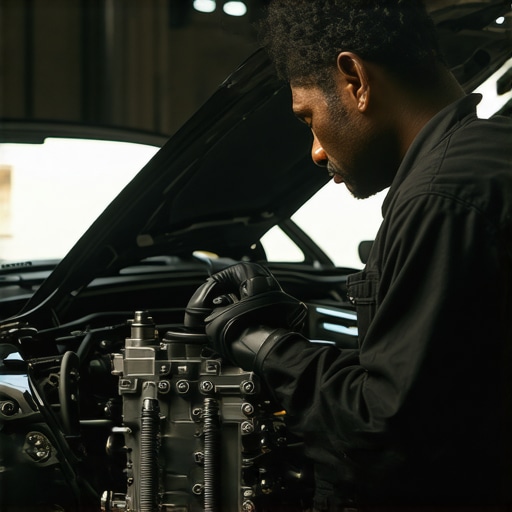
It hit me one chilly morning as I was pulling out of my driveway—my engine was making a strange rattling noise, and I could feel every bump more acutely. For a moment, I wondered if I was about to face a costly overhaul. That lightbulb moment made me realize something: I had been neglecting my engine’s health, and if I wanted to squeeze every mile out of it, I needed a new game plan.
Why Keeping a High-Mileage Engine Alive Matters
Owning a car with miles on it can feel like a balancing act—trying to keep it reliable without breaking the bank on repairs. But here’s the truth: regular maintenance, smart upgrades, and a few insider tricks can extend your engine’s lifespan dramatically. I’ve learned this firsthand after several careful adjustments, and today I want to share how you can do the same.
Before we dive into practical tips, I want to acknowledge a mistake I made early on: trusting that my engine was just ‘getting old’ and that nothing could be done. That misunderstanding nearly cost me thousands. But I discovered that with the right approach—like expert tune-ups and brake services—it’s possible to add fresh life to a well-trusted high-mileage engine. For instance, routine tune-ups can boost fuel efficiency and safety, as highlighted by [Glass Auto](https://glassfixauto.com/how-regular-tune-ups-improve-fuel-efficiency-and-safety).
So, if you’ve ever felt frustrated watching that mile count creep higher, wondering if it’s time for a new vehicle or a costly rebuild, let me assure you: there’s hope. By applying the right strategies, you can confidently push your engine beyond its presumed limits. Ready to learn exactly how to do that? Let’s get started.
Will My Engine Actually Reach 100,000 Miles?
Perform Regular Tune-Ups to Keep Your Engine Running Smoothly
Regular tune-ups are like a health check-up for your car’s engine. I remember one time, I caught a small spark plug issue early during a scheduled tune-up, which prevented a costly misfire later. To do this effectively, follow the [car service checklist](https://glassfixauto.com/car-service-checklist-how-to-keep-your-vehicle-in-top-shape) to ensure all critical components are inspected and maintained. Start by replacing spark plugs, air filters, and inspecting belts. This rejuvenates engine performance and improves fuel efficiency. Think of it as opening windows in a stuffy room—your engine breathes better when it’s fresh and clean.
Optimize Fuel Efficiency with Cooling System Improvements
Overheating is a leading cause of engine wear. I once used a coolant additive that helped stabilize the engine temperature, and it extended my radiator’s life. Regularly flushing your cooling system prevents corrosion and clogs. Use a spray bottle to check for leaks—if you notice bubbling or hissing sounds, it might signal a coolant leak. Keeping your radiator functioning well is like maintaining a good thermostat—controlling the room temperature to prevent stress on your engine. Visit [how to check for leaks safely](https://glassfixauto.com/how-to-safely-check-for-a-cooling-system-leak-while-the-engine-is-hot) for practical tips.
Upgrade Your Brake System for Safe and Reliable Stops
Brakes are your car’s safety anchors. When I noticed a squealing noise, I thought it was minor, but it was a sign my brake pads needed replacing. Don’t wait for a grinding sound; inspect your brake system periodically. Brake lubrication and pad replacement are simple steps that prevent uneven wear and excessive heat. Think of your brakes as the cushioning in a shoe—they absorb shocks and ensure smooth stops. For detailed guidelines, check out [brake service myths and facts](https://glassfixauto.com/brake-service-myths-what-you-need-to-know-before-your-next-stop). Regular maintenance keeps your stopping power sharp.
Address Engine Misfires Early to Prevent Long-Term Damage
Misfires can be subtle but damaging. I once ignored an occasional hesitation, and it led to a damaged catalytic converter. To catch issues early, listen for rough idling or acceleration hiccups. Use engine diagnostics tools or visit an expert if you suspect a problem. Think of engine performance as a team effort—ignoring one player’s mistake can affect the whole game. Troubleshoot common issues using [auto repair troubleshooting tips](https://glassfixauto.com/troubleshooting-common-auto-repair-issues-before-visiting-the-shop) to identify problems before they escalate. Regular attention preserves your engine’s health.
Maintain Proper Oil Levels and Quality
Engine oil is the lifeblood of your vehicle. I learned the hard way that low oil levels lead to increased wear. Check your oil regularly, especially before long trips or in extreme weather. Use the correct oil type and change it according to your vehicle’s schedule. Think of oil as blood—it circulates vital nutrients and removes toxins. Staying on top of oil changes with the help of [expert tune-up strategies](https://glassfixauto.com/maximize-your-cars-lifespan-with-expert-tune-up-strategies) keeps your engine resilient. A well-oiled engine runs quieter, cooler, and lasts longer.
Many car owners operate under misconceptions that can lead to costly mistakes. For instance, a widespread belief is that if your car isn’t showing symptoms, it doesn’t need regular service. However, routine checkups like tune-ups are crucial even when everything seems fine, as subtle issues can develop unnoticed.
What do experienced mechanics know that most drivers overlook?
One nuanced aspect is understanding the importance of addressing small irregularities early, before they escalate. For example, ignoring minor brake squeals might seem harmless but can indicate pad wear that, if left unchecked, compromises safety, as detailed in brake service myths.
A common trap many fall into is delaying brake maintenance until brakes fail completely, leading to expensive repairs or dangerous situations. Regular inspections and maintenance like brake system repairs can prevent this. Moreover, some believe that replacing all brake parts at the first sign of wear is necessary, but often, only specific components need attention, saving you money.
Another advanced nuance involves the misconception that oil changes should only be done based on mileage or time intervals. Modern engines may benefit from oil maintenance that considers driving habits and conditions, ensuring optimal engine health.
Thinking critically about these myths can be the difference between a vehicle that runs smoothly for years and one that requires premature repairs. Regularly consulting with experienced professionals and staying informed through trusted resources can help you make smarter maintenance decisions.
Have you ever fallen into this trap? Let me know in the comments below. Remember, understanding these nuances can save you time, money, and stress when it comes to car care.
Getting Your Hands on the Right Equipment for Car Maintenance
One of the biggest mistakes I see fellow car enthusiasts make is relying on generic tools that don’t measure up to the task. Over the years, I’ve refined my toolkit with specific, high-quality equipment that makes maintenance safer and more efficient. For instance, I swear by a digital torque wrench like the Innova Super-Torque. Its precision helps me tighten bolts to exact specifications, preventing over-tightening or under-tightening, which can cause long-term issues. Investing in a reliable set of ratchets, like the GearWrench metric set, ensures smooth operation during brake pad replacements or engine disassembly — trust me, struggling with cheap tools only adds frustration.
Another essential item I keep on hand is an auto multimeter. This device is indispensable for diagnosing electrical issues, from intermittent starting problems to faulty sensors. My go-to is the Autel Maxi Multi-Meter, which provides accurate readings and durable probes, saving me trips to the shop. Plus, I always carry a good set of knockout punch tools for extracting stubborn rivets or pins, especially during brake and suspension work.
The Software Tools That Keep Me Ahead
On the tech side, I use professional diagnostic software like Autel MaxiDiag. It connects via OBD-II to my laptop or tablet, enabling me to read and clear error codes accurately, even before the car’s dashboard lights up. This preemptive approach saves me from unnecessary parts replacements and gives me peace of mind. For regular tune-ups and performance tracking, I rely on a smartphone app called OBD360. It logs data from multiple sensors, helping me identify issues early—kind of like a health tracker for my car.
Routine Maintenance: The Key to Longevity
Beyond tools, developing a consistent maintenance routine is crucial. I schedule tune-ups every 30,000 miles, which includes inspecting spark plugs, air filters, and belts. This proactive approach prevents small problems from snowballing into costly failures. Regularly checking your fluid levels and replacing filters as outlined in the car service checklist can extend the life of your engine and transmission significantly.
How do I keep tools and equipment in top condition over time?
Proper cleaning, calibration, and storage are essential to maintain your toolkit’s effectiveness. For example, I clean my torque wrench after every use with a lint-free cloth and store it in a protective case to prevent corrosion. Calibrating your multimeter annually ensures readings stay accurate, which is vital for electrical diagnostics. Investing in quality storage solutions, like labeled toolboxes or wall mounts, keeps everything accessible and organized, reducing the risk of damage or misplacement. Remember, well-maintained tools last longer and perform better, making your repairs safer and more reliable.
Looking ahead, I believe that automation is going to play an even bigger role in car maintenance. Innovations like wireless diagnostic tools and AI-driven maintenance scheduling will continue to empower enthusiasts and professionals alike. To stay ahead, I recommend trying out a professional-grade diagnostic scanner and integrating some of these smart tools into your routine. They might seem like an upfront investment, but the long-term saving in repairs and the increased lifespan of your vehicle make it well worth it.
Embarking on the journey of maintaining a high-mileage engine offers invaluable insights that extend far beyond routine checklists. One profound lesson I learned is that small, consistent efforts often outweigh the allure of quick fixes; patience and attention to detail truly pay off. For example, prioritizing early diagnostics over reactive repairs transformed my approach, saving costs and preserving engine longevity. Additionally, understanding the nuanced differences in aftermarket parts versus OEM components has made me more confident in making informed upgrades. Embracing continuous learning and consulting expert resources, like trusted auto repair guides, empower you to handle complex issues with confidence. Remember, mastering these subtle aspects results in a smoother, more reliable ride that can defy conventional mileage expectations.