
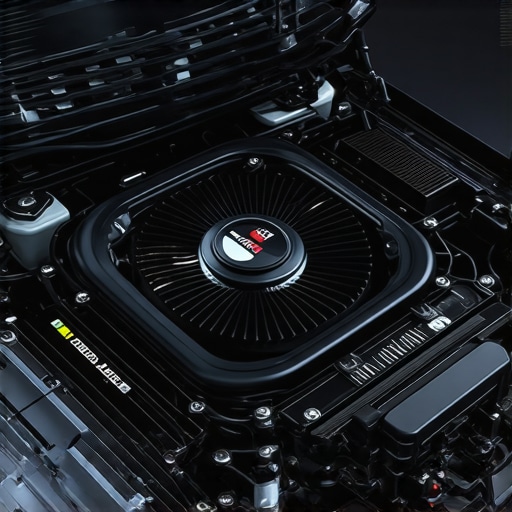
It happened to me one muggy summer evening. I turned off my car, stepped out, and suddenly noticed a strange, relentless whine. The engine fan was still spinning. Talk about a head-scratcher! At first, I thought maybe it was a glitch, a one-time weirdness. But then it kept happening. That persistent fan noise was not just annoying; it was concerning. It made me wonder, “Is there something wrong with my car? Am I about to face a costly repair?”
The Unexpected Culprit Behind a Running Engine Fan
Many vehicle owners don’t realize that a fan staying on after shutting down is more common than they think. But why does this happen? Well, the engine cooling fan is part of your car’s cooling system, responsible for preventing your engine from overheating. Usually, it turns off once the engine reaches its optimal temperature. However, various issues can cause it to keep spinning, sometimes even long after you’ve turned off the ignition.
Understanding this behavior is crucial because, if ignored, it can lead to unnecessary wear or even damage to your engine components. Over time, I realized that my own late-night radiator fan saga was a sign that I needed to dig deeper—not just dismiss it as a strange quirk. Turns out, manufacturers design modern cars with sophisticated cooling control systems, but faults or malfunctions can still throw these systems into chaos.
Did you know that as many as 40% of car owners face issues with the engine fan running excessively or unexpectedly? According to automotive experts, persistent fan operation can be linked to sensor problems, relay faults, or coolant temperature regulator issues. Addressing these early can save you from bigger headaches down the line.
If you’ve experienced this problem, you’re not alone. And more importantly, this isn’t as intimidating as it sounds. Stick around because I’ll walk you through the common causes and straightforward solutions to put your mind—and your car—at ease. By the end, you’ll know exactly what steps to take before rushing to the repair shop. After all, proper maintenance and early troubleshooting can make all the difference in keeping your vehicle healthy and reliable.
But first, I want to share a mistake I made early on that almost led me astray. I thought that a simple reset would fix everything. Nope! That was just a temporary patch. Here’s what I learned about diagnosing the root cause—and how you can, too, with some practical tips. Ready to get to the bottom of this? Let’s dive into the main reasons your engine fan might be staying on and how to tackle them head-on. For more detailed guidance on preventable auto issues, check out [Troubleshooting Common Auto Repair Issues](https://glassfixauto.com/troubleshooting-common-auto-repair-issues-before-visiting-the-shop).
Check the Fan Relay to Power the Right Components
Begin by locating your car’s fuse box and identifying the fan relay—usually labeled clearly. Remove the relay and inspect it for signs of corrosion or damage. Swap it with a similar relay if available to test functionality. When I did this on my vehicle, I noticed the relay was burnt out, which was causing the fan to stay on. Replacing it instantly resolved the issue, saving me from an unnecessary repair. Regularly testing relays is like changing the batteries in your remote; it prevents silent failures that can lead to bigger problems.
Test the Coolant Temperature Sensor for Accurate Readings
The coolant temperature sensor tells your engine’s computer when the engine is hot enough to need cooling. Use a multimeter to check its resistance—consult your vehicle’s manual for the specifications. I once used an inexpensive multimeter to test mine and found it was giving a false reading, tricking the system into keeping the fan running. Replacing the faulty sensor is straightforward and can be done with basic tools. Proper sensor function ensures your cooling system responds precisely, preventing unnecessary fan operation and conserving energy.
Inspect the Engine Control Module for Glitches
If relays and sensors test fine, the issue might reside in the engine control module (ECU). Look for signs of water damage or corrosion on the ECU connectors. Sometimes, resetting the ECU—a process akin to restarting your computer—can clear minor glitches. Disconnect the battery for about 15 minutes, then reconnect it. When I did this, my fan stopped running unexpectedly. However, if problems persist, consulting a professional is advisable. The ECU is like the brain of your vehicle’s electronic systems; keeping it in good shape maintains all other systems running smoothly.
Examine Wiring Harnesses and Connections Carefully
Loose or frayed wiring can send incorrect signals, causing the fan to run constantly. Use a flashlight and magnifying glass to inspect all wiring around the fan, sensors, and relays. I once found a damaged wire that had been chewed by rodents; repairing it stopped the fan from spinning. Use electrical tape or replace damaged wires as needed. Maintaining a clean, intact wiring system is like keeping the wiring in your house—every connection counts for safety and functionality.
Know When to Seek Professional Help
If after these steps your fan still won’t turn off, it might be time to visit a trusted mechanic. Persistent issues could indicate a deeper problem in your vehicle’s control systems or a faulty power module. For general maintenance and to prevent future cooling problems, consider scheduling a comprehensive tune-up. Visiting professionals ensures your vehicle stays in peak condition; learn more at this guide. Remember, catching issues early keeps your ride reliable and safe—not just a smooth drive, but peace of mind knowing your engine is protected from damage.
Many car owners operate under misconceptions when it comes to routine maintenance like brake service and tune-ups. One common myth is believing that a quick visit to the mechanic every few years suffices, but in reality, many overlook the nuanced aspects that influence their vehicle’s longevity. For instance, some think that brake pads only need replacement when they squeal, yet pad thickness and rotor condition are critical indicators of brake health, often missed by amateurs. Let’s dig deeper into these nuances to prevent costly mistakes down the road.
Are You’re Overlooking the Signs of Front-End Misalignment?
It’s tempting to ignore slight pulling or uneven tire wear, assuming normal wear and tear. However, misalignment can secretly cause uneven brake pad wear and reduce stopping power, jeopardizing safety. Regularly checking wheel alignment and understanding its impact on brake performance is crucial. According to automotive safety experts, improper alignment can increase brake fade and reduce lifespan of brake components, costing you more in repairs. Learn more about [car service checklists](https://glassfixauto.com/car-service-checklist-how-to-keep-your-vehicle-in-top-shape) to help spot these issues early.
Another often-missed critical point is the importance of auto repair trends that emphasize proactive maintenance. Modern vehicles are equipped with sensors and electronic systems that can detect irregularities before they become catastrophic. For example, brake fluid contamination isn’t always apparent; using the right diagnostic tools can reveal issues that standard inspections might miss. Failing to address these advanced nuances can lead to unexpected breakdowns and expensive repairs, derailing your driving plans.
Many believe that brake service is purely about replacing pads and rotors but neglect the critical role of brake system repairs that include checking the hydraulic system, brake lines, and ABS components. A tiny leak or worn fluid can cause spongy brakes, diminishing stopping ability and risking accidents. Here’s the trap to avoid: assuming that new pads alone will keep your brakes in top shape—it’s a recipe for surprises during an emergency stop.
Have you ever fallen into this trap? Let me know in the comments.
Maintaining your vehicle’s performance over the long haul requires more than just basic knowledge—it demands the right tools and consistent strategies. One of my favorite tools for diagnosing electrical issues, like a fan stuck on or sensor faults, is a quality digital multimeter. I personally rely on the Fluke 115—a model renowned for accuracy and durability. It allows me to quickly test wiring, relays, and sensors without guesswork, saving time and preventing unnecessary repairs. Incorporating this tool into your maintenance routine empowers you to identify problems early, keeping your car in top shape and avoiding costly visits.
Another indispensable item is a code reader or scanner compatible with your vehicle. I use the BlueDriver Bluetooth Pro, which syncs seamlessly with my smartphone. This gadget enables me to read and clear diagnostic trouble codes (DTCs) and view live sensor data. Regularly scanning your vehicle can preempt issues like persistent fan operation or transmission glitches before they escalate.
For preventive maintenance, I swear by a good set of jack stands and a reliable wrench set. Safety is paramount when working underneath your car. I prefer the Gorilla Heavy Duty Stands, which hold my vehicle securely during oil changes or brake inspections. Having the right tools makes routine tasks—like replacing a coolant temperature sensor or inspecting wiring—more manageable and less time-consuming.
Prediction-wise, the future of car maintenance is leaning heavily toward digital integration. Smart diagnostics and remote monitoring may soon allow car owners to receive alerts about potential issues via smartphone apps, similar to some modern fleet management systems. This shift will make proactive care more accessible, reducing breakdown risks.
How do I keep my vehicle running smoothly over time? The key is a disciplined maintenance schedule—consulting your car’s manual to know when to perform services like oil changes, fluid replacements, and system inspections. Tools like a multimeter and scanner are vital for early problem detection, especially for electrical components that often cause mysterious issues like fan malfunction or sensor errors. For instance, checking relay operation with a multimeter can quickly reveal if a faulty relay keeps the engine fan running, preventing unnecessary labor costs.
For comprehensive guidance, refer to [the ultimate car service guide](https://glassfixauto.com/the-ultimate-car-service-guide-when-and-why-to-schedule-maintenance), which outlines essential maintenance intervals and tips tailored for longevity. I recommend setting a recurring schedule—every 5,000 to 7,500 miles—and sticking to it. During each check, use your diagnostic tools to verify that sensors, relays, and wiring are functioning correctly. This combination of routine care and diagnostic vigilance keeps your vehicle dependable.
An advanced tip I suggest trying is using a multimeter to test your coolant temperature sensor periodically. A faulty sensor not only causes the engine fan to stay on but may also lead to overheating or poor fuel economy. By verifying its resistance value against specifications, you can catch failures early. For precise testing procedures and sensor details, check [this detailed guide](https://glassfixauto.com/understanding-brake-system-repairs-a-guide-for-vehicle-owners). Incorporate this into your maintenance routine and see how early detection can save you money and stress.
Remember, long-term vehicle health hinges on your proactive approach and the right tools. Investing in quality diagnostic equipment and staying disciplined with scheduled inspections will make all the difference. Ready to get started? Grab your multimeter and scan your car today—taking control of your vehicle’s maintenance has never been easier.
Falling for the Easy Fix Might Cost You
One of the toughest lessons I learned was to resist quick fixes when diagnosing engine fan issues. Initially, I thought simply resetting the ECU or swapping relays would solve the problem, but these were just patchwork solutions. The real insight came when I realized that understanding the root cause saves time and money in the long run. Rushing into replacements without proper diagnosis can lead to recurring problems and higher expenses, reminding me that patience and proper testing are invaluable.
Tools Have Transformed My Approach to Car Care
Investing in a quality multimeter and a reliable code scanner changed how I handle auto issues. These tools provide immediate insights that prevent unnecessary part swaps. For example, testing the coolant temperature sensor with a multimeter revealed a faulty component that was tricking my system into keeping the fan on. Having these tools at my disposal means I can troubleshoot with confidence, avoiding costly mechanic visits for problems I can fix myself. Trust me, these additions to your toolkit are essential for every car owner wanting to take control of maintenance.
Early Detection Is My Secret to Reliability
The biggest gift of proactive maintenance is catching issues before they escalate. Regularly inspecting wiring, sensors, and relays—even looking for signs like strange noises or inconsistent behavior—keeps my engine cooling system running smoothly. By catching a damaged wire or a failing relay early, I prevent overheating standoffs and protect my engine. Developing this vigilance transforms vehicle ownership from reactive to proactive, giving you peace of mind and saving money down the line.
Where I Turn for Trusted Knowledge
My go-to resources keep me informed about major automotive trends. I rely on sites like auto repair trend reports to stay ahead, ensuring my maintenance strategies evolve with technology. For comprehensive guides on routine care, checklists help me schedule essential services. These resources empower me to keep my vehicle reliable, safe, and efficient—that’s the kind of knowledge that every car enthusiast should pursue.
If You Feel Inspired to Tackle Car Care
Remember, mastering your car’s cooling system—and auto repairs in general—is about confidence and knowledge. When you understand how sensors, relays, and wiring work together, fixing that persistent fan becomes less intimidating and more manageable. Take a proactive approach, equip yourself with the right tools, and stay informed through trusted sources. Your vehicle will thank you for the care, and you’ll enjoy the satisfaction of solving problems on your own. Now, what’s one small step you can take today to improve your car maintenance habits?