
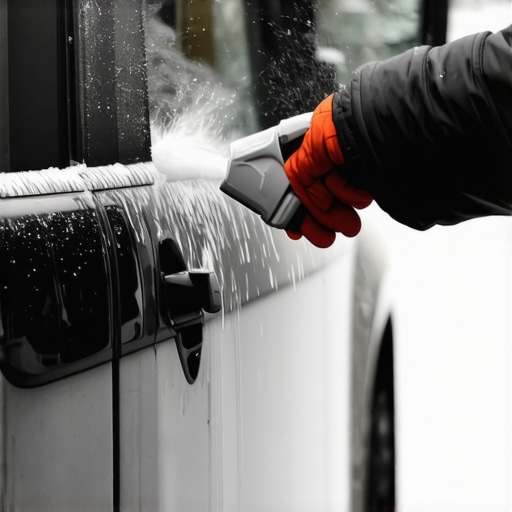
It was early morning, and I reached into my coat pocket, already dreading the sound of the frozen car door refusing to open. Sure enough, there it was—firmly stuck, icy grip holding it tight. That lightbulb moment hit me hard. Why do some winters turn my trusty vehicle into a vault that won’t budge? If you’ve ever wrestled with a frozen door, you know exactly the frustration I’m talking about.
Dealing with Frozen Car Doors Is More Than Just an Inconvenience
Frozen doors aren’t just annoying—they can be downright unsafe. When a door refuses to open, you might be late for work, or worse, trapped during an emergency. On cold winter mornings, moisture from humidity or melting snow trickles into door seals, then freezes as temperatures drop. Over time, repeated exposure causes a buildup of ice that acts like glue. According to a Minnesota State study, freezing conditions are responsible for a significant portion of winter vehicle breakdowns—it’s a real hazard you can’t ignore. I made the mistake early on of simply trying to force the door open with my hands, which risked damaging the rubber seals or worse, the door frame itself. Trust me, I’ve learned the hard way that avoidable damage isn’t worth it.
If you’re tired of battling with chilly, stubborn car doors every winter, read on. I’ll share tried-and-true strategies—not just quick fixes but solutions rooted in real experience that actually work. From protective measures to proactive maintenance, you’ll learn how to keep those doors sliding smoothly all season long. Ready to free yourself from the ice grip? Let’s dive into the practical steps that will make cold mornings less stressful.
Will these tricks really keep your doors from freezing? Here’s what I wish I knew at the start
Apply Protective Coatings Before Winter Sets In
Before temperatures plummet, I learned to coat my door seals with a silicone-based lubricant. It acts like a barrier against moisture, preventing water from seeping into the rubber and turning into ice. That first winter, I slathered the lubricant on my seals, and mornings got significantly easier—no more frozen doors stubbornly refusing to budge. Think of it like applying a raincoat on your door—keeping the moisture out before it can cause trouble.
Use a Heated De-Icer and Proper Technique
When you find yourself facing a frozen door, don’t yank the handle without preparation. Instead, spray a commercial de-icer around the edges of the door and lock mechanism. Wait a minute or two—it’s like warming up a stubborn wrench before trying to loosen it. Once the ice softens, gently lift or pull the door open. I once used a de-icer on a particularly frozen passenger door and was amazed at how smoothly it opened, saving me from damaging the rubber seals. Remember, patience and proper products make all the difference.
Use Warm Water Carefully to Melt Ice
If you’re in a rush and the door is frozen solid, pouring warm (not hot) water along the edges can melt the ice. Be cautious—hot water can crack plastic or glass if too hot. I once carefully poured warm water along my car door’s frame after a snowstorm, which effectively loosened the ice without any damage. Afterward, dry the area thoroughly to prevent refreezing. Think of it as giving the ice a gentle, comforting hug—enough warmth to melt, not enough to cause damage.
Add a Buffer with Household Solutions
Another trick I tried was filling a plastic bag with a mixture of salt and water, then wrapping it around the frozen areas. Salt lowers the freezing point of water, accelerating the melting process. It’s similar to what road crews use to melt snow—except on your car! This method is particularly useful for stubborn ice build-up on door seals or locks. Over time, I’ve found combining these tactics gives me the best results, keeping my doors frost-free all winter.
Mind Your Locks to Avoid Freezing
Frozen locks are a common source of frustration. Applying a graphite-based lubricant or a silicone spray directly into the lock cylinder before winter can prevent moisture accumulation. I remember struggling with a jammed lock on a particularly cold morning; after spraying some graphite, it turned smoothly—no more forcing the key. This simple step can save you a lot of hassle and potential lock damage during icy mornings.
Regular Maintenance and Inspections Pay Off
Beyond immediate fixes, inspecting your door seals and lubricating them regularly is crucial. If you notice cracks or wear, replace the seals promptly. It’s like tuning up your vehicle—preparing it for the harsh weather ensures smoother operation. For a comprehensive guide on vehicle maintenance, see this car service checklist. Maintaining your seals keeps moisture from seeping in and turning your mornings into battles with frozen doors.
Many car owners assume that following basic maintenance instructions guarantees optimal vehicle performance, but this oversimplification often leads to overlooked nuances that can cause costly mistakes. For instance, a widespread myth is that all brake fluids are the same; however, using the wrong type or neglecting regular flushing can compromise braking efficiency. As highlighted by experts in brake service myths, understanding the specific needs of your vehicle’s braking system is crucial.
Another misconception is that a tune-up is solely about replacing spark plugs. In reality, a comprehensive tune-up involves inspecting and calibrating multiple systems, including fuel injectors, air filters, and sensors, to improve overall engine performance and fuel economy. For deeper insights, see how tune-ups enhance safety and efficiency.
However, many overlook the importance of subtle signs indicating deeper issues. For example, a slight vibration during braking might be dismissed as normal wear, but it could signal uneven brake rotor wear or caliper problems that require immediate attention to prevent further damage. Regular inspections can uncover such hidden issues early, as discussed in comprehensive brake repair guides.
One advanced mistake that trips up even seasoned owners involves neglecting the calibration of sensors after repairs or replacements. Modern vehicles rely heavily on electronic systems; misaligned sensors can cause false warnings or impaired functions, notably in advanced driver-assistance systems (ADAS). Experts warn that ignoring recalibration can lead to safety hazards and expensive rework. Therefore, always ensure your technician performs proper recalibration after repairs—it’s a nuance many overlook.
Have you ever fallen into this trap? Let me know in the comments. Misunderstanding these subtleties can result in premature component failure or safety risks. Staying informed helps you make smarter decisions, saving money and ensuring your vehicle’s longevity. For a complete overview of essential vehicle maintenance, visit car service checklist and keep your car running smoothly.
Investing in Quality Tools and Knowledge for Enduring Performance
Maintaining your vehicle’s peak condition over the long haul goes beyond quick fixes; it requires the right tools, consistent habits, and a strategic mindset. I personally rely on a few select instruments that have proven invaluable in diagnosing and troubleshooting issues efficiently, saving me both time and money. For instance, a reliable digital multimeter, such as the Fluke 115, allows me to quickly assess electrical systems—an area where many car owners falter but can be a game-changer for diagnosing alternator or sensor issues. Regularly calibrating and testing these components ensures your vehicle remains dependable, especially as it ages.
Similarly, a professional-grade scan tool like the Autel Maxisys provides access to manufacturer-specific codes and live data streams. This tool helps me identify problem areas before they escalate, making my maintenance proactive rather than reactive. While these tools may seem like an investment initially, they are cost-effective in the long run, helping prevent costly repairs down the line.
Adapting Tools and Practices as Your Car Ages
Over time, I’ve learned that adapting my maintenance approach and tools is crucial. For example, as components like brake rotors or suspension parts wear, specialized tools like a brake caliper piston compressor or a suspension strut spring compressor become essential. These tools let me perform complex repairs safely and accurately at home, bypassing expensive shop labor. Additionally, keeping a comprehensive digital repair log—using apps like Torque or Car Scanner—helps track recurring issues and maintenance history, aiding in early detection of potential failures.
Future of Automotive Maintenance and How to Stay Ahead
The automotive world is evolving rapidly with advancements in sensor technology, electric vehicles, and diagnostic methods. I predict that AI-powered diagnostic software will become standard equipment for both professionals and enthusiasts, enabling smarter, faster repairs. To stay ahead, I’m continually upgrading my toolkit and learning from trusted sources, such as auto repair trend reports. Embracing new tools and techniques will ensure your vehicle remains reliable for years to come.
How do I maintain my vehicle’s performance over time?
One effective strategy is consistent inspection and calibration of key systems, including brakes and suspension. For example, routinely checking your brake system with a *precision torque wrench* ensures components are properly tightened, preventing uneven wear or failure. Plus, using specialized lubricants like synthetic brake grease can extend the lifespan of critical parts. These small, deliberate actions cumulatively preserve your car’s health, reduce breakdowns, and save money. For detailed maintenance routines, see tune-up tips. I highly recommend trying out a professional-grade multimeter for electrical diagnostics—it’s a skill that pays off as your vehicle ages.
Looking back, one of the most valuable lessons I learned about winter car maintenance is the importance of proactive protection. Waiting until the cold hits to address frozen doors is a surefire way to get stranded or cause costly damage. Now, I always treat my vehicle with preventive care, like applying silicone-based lubricants to door seals early in the season, which acts as a fortress against moisture intrusion. This simple step has turned my chilly mornings from frustrating battles into smooth starts. For comprehensive vehicle upkeep, I also make sure to regularly inspect and replace worn seals, ensuring my car’s defenses are robust against winter’s tactics.
Another insight I wish I embraced sooner was the power of proper tools and products. Using a heated de-icer, for example, saved me from risking seal damage or resorting to dangerous hot water pouring. Carefully selecting high-quality, automotive-specific lubricants and de-icing sprays makes the difference between a quick, safe thaw and a potential repair bill. It’s about working smarter and with the right arsenal—trust me, your car will thank you. Your vehicle’s readiness depends on these small but crucial choices that build up over time, ensuring durability and peace of mind during icy mornings.
Lastly, I learned that patience and attentiveness are key. Rushing to open a frozen door with force is not only risky but often futile. Instead, gentle patience with proper de-icing techniques preserves your car’s longevity and prevents unnecessary repairs. Combining these habits—early protection, quality products, and calm approach— transforms your winter car care from a headache into a confidence-builder. Remember, your vehicle is more than just a means of travel; it’s a trusted companion that deserves thoughtful maintenance. Now, equipped with these insider insights, you’re well on your way to mastering winter’s challenges with ease.
Lessons from the Cold That Changed How I Maintain My Car
- Never underestimate preventive measures: Applying protective coatings before winter saves time and money in the long run. I learned to coat my door seals early, which significantly reduced frost and ice buildup.
- Use the right tools for the job: Commercial de-icers and quality lubricants are game-changers. Relying on household solutions like saltwater wraps might work temporarily, but professional products offer lasting protection.
- Patience over force: Gentle techniques and proper products prevent damage to seals and locks. Rushing only worsens the problem and can lead to costly fixes.
- Regular inspections matter: Keeping seals, locks, and door mechanisms in check ensures no surprises when temperatures drop. Small proactive steps make winter mornings much easier.
My Go-To Arsenal for Winter Car Defense
- Silicone-based lubricants—Trusted for their moisture-resistant barrier, they keep door seals flexible and ice-free.
- Commercial de-icers—Fast-acting solutions that soften ice without risking seal damage when used as directed.
- Warm water spray—A controlled temperature approach to melting stubborn ice, especially effective when used carefully.
- Graphite lock lubricants—Prevent lock freezing and ensure smooth key operation in freezing conditions.
Time to Winterize Like a Pro
Taking the initiative in winter car care is about more than avoiding frozen doors—it’s about ensuring your safety and peace of mind. Small actions now, like proper maintenance and smart use of tools, have a profound impact on reliability during the coldest months. Remember, your vehicle’s health reflects your attention to detail and commitment to proactive care. So, why wait for frost to settle in? Start implementing these insider secrets today, and enjoy worry-free winter mornings. Have you ever struggled with a frozen car door that turned into a costly repair? Share your story below and let’s learn from each other.