
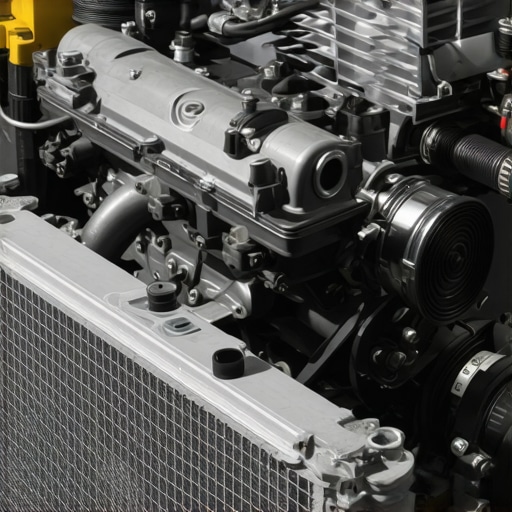
It happened unexpectedly one scorching afternoon. I was stuck in traffic, enjoying a rare cool breeze—until I turned on my air conditioning, and suddenly, my engine started to shake like a washing machine on its spin cycle. Frustration crept in. I knew I wasn’t alone in this; many drivers experience this unsettling vibration whenever they hit the A/C button. At first, I thought it was a sign of a major engine problem, and honestly, it made me worry about costly repairs.
But here’s the good news: that strange shake isn’t always a sign of doom. In fact, it’s often a manageable issue rooted in simple causes. Today, we’ll dig into what makes your engine vibrate when the A/C is on and, more importantly, how you can troubleshoot and resolve it without breaking the bank.
Understanding the Root Cause of Engine Vibrations When the A/C Is On
Many drivers don’t realize that engaging the air conditioning system puts extra load on your engine. This added demand can cause noticeable vibrations, especially if your vehicle’s components aren’t operating optimally. One common culprit is a worn or loose serpentine belt, which is responsible for powering the A/C compressor, alternator, and other accessories. When this belt slips or is misaligned, the engine works harder, leading to uneven vibrations.
Another frequent cause is an underperforming idle air control valve or a dirty throttle body, which may struggle to maintain a stable engine idle. When the A/C kicks in, it increases engine load, and if these parts aren’t functioning smoothly, you’ll feel that shake. Additionally, worn engine mounts may contribute because they’re less effective at absorbing the extra vibrations caused by A/C activation.
Interestingly, research shows that a properly maintained cooling and accessory belt system can significantly reduce engine vibrations during A/C operation (source: [Glass Fix Auto’s car service checklist](https://glassfixauto.com/car-service-checklist-how-to-keep-your-vehicle-in-top-shape)). Regular inspections and timely replacements make a huge difference.
Are you experiencing this issue in your own vehicle? If so, it might be a sign that some routine maintenance is overdue. Don’t worry; tackling these problems early can save you from more serious auto repairs down the line.
In the next part, we’ll look at some practical steps to diagnose the root cause, so you can get your engine running smoothly again when the A/C is turned on. Whether it’s a simple belt adjustment or a quick visit to your mechanic, understanding what’s happening is the first step toward fixing it.
Check the Serpentine Belt for Wear and Proper Tension
I recall one summer afternoon when my car started vibrating intensely whenever I turned on the air conditioning. I quickly realized that the serpentine belt, which drives the A/C compressor, was loose and worn out. To inspect this, open your hood, locate the belt, and examine for cracks, fraying, or missing ribs. Using a belt tension gauge or applying finger pressure, check if the belt properly grips the pulleys—if it slips or feels loose, it needs replacing. Replacing the serpentine belt is straightforward but critical; consult your vehicle’s service manual or visit this checklist for detailed steps.
Many drivers believe that simply following the manufacturer’s recommended service intervals is enough to keep their vehicles in top shape. But in my experience, there’s a common misconception: that more frequent repairs or tune-ups inevitably lead to better performance. In reality, understanding the nuances of auto maintenance can prevent unnecessary procedures and save you money. For example, many assume that replacing parts at fixed intervals is essential, but recent studies, such as those highlighted in expert maintenance tips, emphasize the importance of condition-based servicing. Over-maintaining can be just as harmful as neglecting essential repairs, leading to premature part replacements and increased costs.
Are All Repairs Created Equal? Not Quite
Common myths suggest that every issue warrants immediate attention, yet some problems are better diagnosed with advanced techniques. A perfect illustration is brake service—many think that squealing brakes always mean worn pads, but it could be a simple misalignment or dirt accumulation. Relying solely on the squeal without proper inspection might cause you to replace parts unnecessarily. Conversely, ignoring subtle signs can lead to brake failure, so it’s crucial to distinguish between minor nuisances and genuine problems, as described in brake myths busted. This careful diagnosis requires knowledge and experience, reinforcing that not all auto repairs are straightforward.
One trap many fall into involves ‘routine’ maintenance schedules that aren’t tailored to their driving habits. For instance, a city dweller with stop-and-go traffic might need more frequent brake inspections than someone with highway miles. Following generic advice without considering your actual usage can lead to both over- and under-maintenance. It’s a nuanced process that demands a personalized approach, guided by proper diagnostics and expert recommendations.
Advanced car systems are becoming increasingly sophisticated, making traditional assumptions less reliable. For example, engine tuning isn’t just about changing spark plugs at fixed intervals; modern vehicles monitor sensor data to suggest maintenance precisely when needed. Learning to interpret these signals is essential for effective auto care. As I discuss in expert tune-up strategies, leveraging technology can optimize performance while avoiding unnecessary repairs.
Have you ever fallen into this trap? Let me know in the comments. Knowing the hidden nuances of auto maintenance empowers you to make smarter decisions, avoid costly mistakes, and truly extend your vehicle’s lifespan.Maintaining your vehicle’s performance over the long term requires more than just routine oil changes. Investing in the right tools and adopting specific maintenance routines can extend your car’s lifespan and improve safety. One of my favorite tools is a high-quality digital multimeter, which I personally use to monitor electrical systems like the battery, alternator, and circuit integrity. This device allows me to quickly diagnose issues such as battery drain or faulty sensors, saving time and costly repairs. For example, when I noticed my headlights dimming unexpectedly, testing the alternator’s voltage output with the multimeter revealed it was no longer charging properly, prompting timely replacement before complete failure.
Another invaluable piece of equipment is a hydraulic brake bleeder kit. I prefer the manual versions because they give me precise control during brake fluid replacement, which is crucial for maintaining braking efficiency. Regularly flushing and replacing brake fluid helps prevent corrosion within the brake system, which can be hidden from visual inspection. It’s an easy task if you follow the manufacturer’s instructions and use quality fluids, like DOT 4 or DOT 3, as recommended in the vehicle’s service manual.
In terms of software, modern cars often have onboard diagnostics (OBD-II) systems that can be accessed with a Bluetooth OBD-II scanner connected to your smartphone. I rely on this technology to monitor engine parameters and clear diagnostic trouble codes. Apps like Torque or BlueDriver provide real-time data, which I check during routine inspections to spot potential issues early. These tools are cost-effective investments that can save hundreds at the mechanic’s shop by catching problems before they escalate. Staying ahead of auto repair issues is crucial because, as industry experts suggest, proactive maintenance reduces long-term costs and improves vehicle reliability (source: https://glassfixauto.com/auto-repair-trends-to-watch-in-2025-staying-ahead-of-the-curve).
Scaling your maintenance approach involves having a dedicated garage space with organized tool storage, which simplifies regular inspections. I recommend stained labeling your tools and keeping a log of maintenance tasks and dates. This habit ensures you don’t forget essential checks like coolant levels, tire tread depth, or belt conditions.
Looking ahead, the trend toward integrated diagnostics and predictive maintenance means that, in the future, vehicles will communicate their needs directly to your smartphone or mechanic. Continued advancements in sensors and AI will make proactive repairs more accessible and affordable.
How do I maintain my vehicle over time? Regularly using diagnostic tools to monitor critical systems, adhering strictly to manufacturer schedules, and addressing minor issues promptly are key strategies. For example, checking your vehicle’s brake fluid with a simple tester can prevent costly brake repairs—more about these routines can be found in this comprehensive checklist. Try integrating one of these advanced tools today and see how it transforms your maintenance routine. Small investments in quality equipment can lead to big savings and peace of mind.
The Hardest Lesson I Learned About Car Maintenance and Diagnosing Engine Vibrations
One of the most eye-opening experiences I had was realizing how small issues, like a worn serpentine belt, could cascade into major vibrations during A/C operation. I used to think that these vibrations were signs of severe engine trouble, but through my journey, I learned they often point to simple fixes. Listening closely and inspecting each component taught me that patience and attention to detail are invaluable in auto repair. This insight saved me hundreds in unnecessary repairs and gave me confidence to handle routine checks myself.
Why Skipping Regular Inspections Can Cost More Than You Expect
Skipping routine maintenance, especially checking belts, mounts, and sensors, can lead to unexpected vibrations and more serious damage. When I neglected my engine mounts, the vibrations intensified, making me realize that proactive inspections and timely replacements are key. Trusting reliable sources, like comprehensive vehicle checklists, helps me stay ahead of problems before they escalate.
Equipping Yourself with Smart Tools Changes the Game
Investing in diagnostic tools like an OBD-II scanner or a multimeter has transformed how I approach auto care. These devices give immediate insights into engine load changes caused by A/C activation, helping to pinpoint issues quickly. I found that understanding sensor data and vehicle feedback makes troubleshooting more precise, ultimately saving time and money. Modern tools bridged the gap between amateur and expert, empowering me to keep my car running smoothly during peak seasons.
Always Tune Into What Your Car Is Telling You
Listening intuitively to your vehicle’s signals—be it subtle vibrations or warning lights—can prevent costly repairs. Over time, I’ve learned that even minor shakes during A/C use shouldn’t be ignored. Regularly consulting expert tips and paying attention to your car’s behavior builds a deeper understanding of its needs. This awareness turns routine maintenance into a proactive, rewarding experience.