
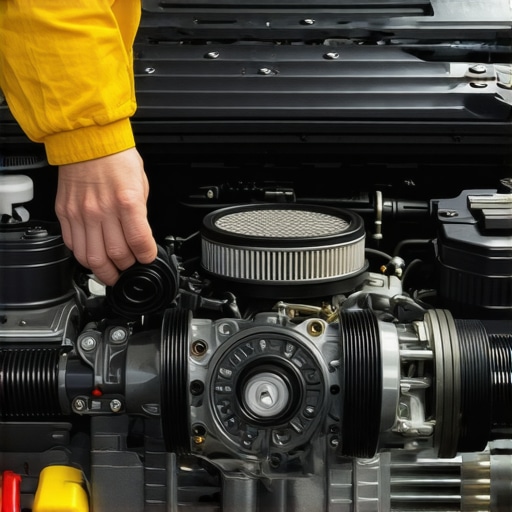
Ever been stuck in your driveway, scratching your head over that strange noise or sudden performance dip, wondering if your trusty ride is crying out for a quick tune-up or a costly overhaul? I remember a chilly morning when my car started shaking like a leaf, and I thought, “Is this just a minor thing or something serious?” That lightbulb moment made me realize how confusing it can be to gauge when your vehicle needs a simple fix versus major work. And frankly, I didn’t want to throw money at problems I could fix myself—or worse, ignore issues that could turn into emergencies.
Why Clarifying Your Vehicle’s Needs Matters Right Now
Knowing the difference between a routine tune-up and a major repair isn’t just about saving bucks. It’s about safety, efficiency, and peace of mind. A routine tune-up can improve your fuel economy and extend your car’s lifespan, but ignoring real signs of trouble might leave you stranded or facing expensive repairs down the line. For example, a minor engine misfire could be as simple as replacing spark plugs, or it might signal a significant problem like a failing fuel injector.
Have You Faced This Frustration Before?
If you’ve ever been unsure whether that odd noise or performance issue warrants a trip to the shop, you’re not alone. I’ve been there, making costly guesses that only worsened the problem. Early mistakes I made—like ignoring warning lights or dismissing strange smells—taught me that understanding your car’s signals is essential. A good rule of thumb is to learn how to recognize warning signs early, which can save you money and prevent dangerous breakdowns.
One eye-opening fact is that `regular tune-ups significantly boost fuel efficiency and safety`, yet many drivers overlook their maintenance schedules. Recognizing what’s normal and what’s a red flag can make all the difference. Over the next sections, I’ll walk you through practical ways to tell if your vehicle just needs a quick tune-up or if it’s time to bring in the pros for major repairs.
Ready to get a better grasp on your car’s condition? Let’s dive into the signs that point to a simple fix versus something more serious—and how to respond promptly before small problems turn into costly headaches.
Assess Your Car’s Symptoms Like a Pro
Start by observing the specific signs your vehicle shows. For example, if your engine stutters during acceleration, note whether the hesitation is consistent or intermittent, and if it worsens with engine temperature. A simple way to do this is to take your car for a controlled test drive, paying close attention to sounds, vibrations, and performance changes. During the drive, note whether the steering pulls, if the brakes squeal only when backing out, or if there’s a strange smell. Keeping a detailed log can help you or your mechanic pinpoint the root cause more efficiently. Remember, just as a doctor listens to symptoms before diagnosis, you need to listen to your car’s signals.
Execute Basic Visual Inspections
Next, perform a visual check of critical components. Lie down and examine your tires for uneven wear patterns—they often indicate misalignment or worn shocks. Check under the hood for coolant leaks, cracked hoses, or discolored oil, which could signal transmission or engine issues. Inspect brake pads through the wheel spokes—if they’re nearing the metal backing, it’s time for a brake service. Think of this like a doctor palpating or attempting to feel abnormalities; a careful visual inspection can reveal serious issues early. For detailed guidance, consult the car service checklist to ensure nothing gets overlooked.
Perform Simple Diagnostic Tests at Home
Many common problems have straightforward at-home tests. For example, test your car’s battery with a multimeter—if the voltage drops below 12.4 volts, it’s likely time to replace it. To check for vacuum leaks, spray a soapy water solution around the intake manifold and listen for bubbles—an indication of a leak. You can also test your water pump alarmingly easy by observing coolant levels and signs of overheating during drives. These tests take only minutes but can save you from costly repairs. If unsure, consult resources like the troubleshooting guide for step-by-step instructions.
Prioritize Maintenance with a Clear Schedule
Once you’ve identified potential issues, create a maintenance plan to address them before they escalate. Regular tune-ups, as emphasized in this guide, can prevent many problems and improve fuel efficiency. Mark your service calendar for fluid changes, filter replacements, and brake inspections. Think of this as maintaining your health—routine checkups prevent emergencies. For a comprehensive list of what to inspect regularly, review the vehicle maintenance checklist.
Listen and Feel for Clues During Operation
Finally, stay attentive during every drive. Unusual noises like squealing brakes, thumping over bumps, or clicking sounds when starting can point to specific issues. Vibrations, especially if they correlate with certain speeds, could indicate wheel imbalance or worn CV joints. A vibration that worsens with braking likely relates to brake components, while a pulling steering wheel might mean misalignment. The key is to recognize these clues early, much like noticing a lingering cough or fever signals health issues—prompt attention can save substantial money and stress. For detailed symptom evaluations, look into this troubleshooting resource.
Many drivers operate under myths that can lead to costly mistakes. One prevalent but false belief is that all auto repairs are immediately urgent, prompting unnecessary service visits that only drain your wallet. In reality, many issues develop gradually and can be monitored over time with proper knowledge, saving you money and preventing breakdowns. For example, some think that brake noise always indicates urgent replacement, but often it’s simply a minor issue like worn pads that can wait or be fixed during routine maintenance. Recognizing these nuances is key to effective vehicle care.
Another common misconception relates to the importance of routine tune-ups. Many assume that they can skip scheduled maintenance when their car seems to run fine, but neglecting regular tune-ups can silently harm your engine’s health. Regularly scheduled tune-ups not only boost fuel efficiency but also catch potential problems early, avoiding expensive repairs later.
Now, let’s explore a trap many fall into when it comes to brake service. The myth that brake pads don’t need attention until they squeal loudly is dangerous. Often, brakes can wear silently, leading to rotor damage or loss of stopping power if overlooked. Learning to recognize subtle signs of brake wear outside of obvious squeals can be a game changer. Regular inspections and understanding the difference between minor issues and major failures help you avoid sudden, costly repairs.
### What advanced knowledge do professional mechanics rely on that you might not?
Some drivers think simple visual checks and basic troubleshooting are enough to diagnose complex auto issues. But modern vehicles have sophisticated systems that can hide underlying problems from plain sight. For example, a misfire could stem from a failing sensor or a computer glitch, not just spark plugs or ignition. Recognizing when to go beyond surface-level diagnostics and seek expert insights is crucial. Research indicates that comprehensive diagnostic tools increase repair accuracy, preventing unnecessary replacements and ensuring safety. So, when in doubt, consulting a professional can save you time and money.
Stay alert to your vehicle’s subtle signals and be cautious of these common myths. Being informed helps you make better decisions, saving you money and keeping your car running smoothly. Have you ever fallen into this trap? Let me know in the comments or reach out through our contact page. Regular maintenance and informed choices are your best defense against costly surprises.
Maintain Your Vehicle with Proven Tools and Techniques
Keeping your car in top shape isn’t just about routine oil changes — it requires the right equipment and a bit of know-how. As someone who’s spent countless hours diagnosing issues and performing maintenance, I can attest that the right tools make all the difference in ensuring safety, efficiency, and longevity for your vehicle. From diagnostic scanners to suspension testers, investing in quality gear allows you to catch problems early and perform effective repairs at home.
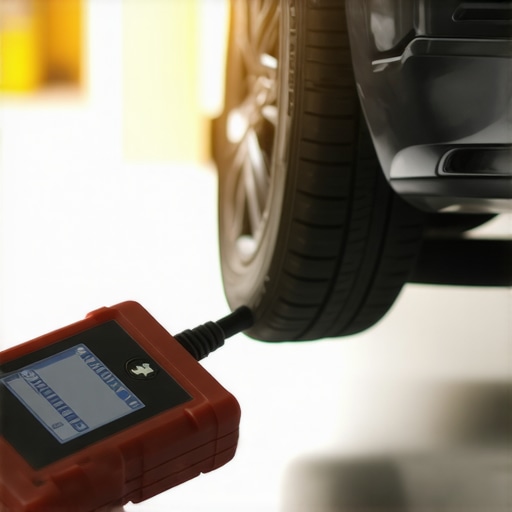
One tool I personally rely on is the OBD-II scanner. This device plugs into your car’s port and grants instant access to diagnostic trouble codes, giving you a snapshot of potential issues before they escalate. I use the BlueDriver model because of its comprehensive data and mobile app integration, which simplifies troubleshooting. According to automotive diagnostics experts, having a reliable scanner reduces guesswork and can save hundreds in mechanic fees by detecting problems early.
Another game-changer is a digital multimeter. It helps me test battery voltage, check electrical continuity, and measure sensor outputs precisely. When diagnosing issues like a sluggish engine or irregular sensor readings, this tool provides immediate feedback that guides my repair decisions. I recommend investing in a multimeter with auto-ranging capabilities and a good display — it’s a small investment for long-term peace of mind.
If you’re dealing with suspension problems or uneven tire wear, a camber gauge is invaluable. I’ve found it instrumental for diagnosing misalignment issues that often undermine your tire wear patterns and steering behavior. Proper alignment extends tire life and improves handling, and this simple device makes it easy for DIY enthusiasts to verify their angles without a visit to the shop.
Beyond hardware, software plays a crucial role in managing vehicle health. Modern repair shops use advanced diagnostic software like cutting-edge diagnostic programs that interpret complex sensor data and even predict future failures. While these are typically tools for professionals, many car-specific apps now offer similar capabilities for consumers. Investing in a reputable automotive app can help you track maintenance schedules, log repairs, and receive alerts about impending service needs.
Looking ahead, the trend points towards smarter, more integrated tools. AI-driven diagnostic systems will increasingly assist in pinpointing issues with minimal user input, and wearable tech might offer real-time vehicle health monitoring. Staying ahead of these advances means equipping yourself now with essential tools and knowledge.
How do I maintain my tools over time?
Regular calibration and careful storage ensure your diagnostic and testing equipment remains accurate and reliable. Keep tools clean, away from moisture, and follow manufacturer guidelines for battery replacement and calibration. This approach prolongs their lifespan and guarantees precise readings when you need them most.
If you’re serious about auto maintenance, I encourage you to try out a quality OBD-II scanner and learn to interpret the data. It’s easy to start and can immediately improve your understanding of your vehicle’s health. For more comprehensive maintenance tips, visit our guide on regular tune-ups. Ready to take control of your vehicle’s well-being? Trust me, these tools are worth the investment and will keep your car performing optimally for years to come.
My journey into car maintenance revealed a crucial lesson: the smallest signs often hide the biggest problems. It’s easy to dismiss that irregular vibration or strange smell, but those are your vehicle’s way of whispering urgent warnings. Trust me, catching these signals early, instead of ignoring them, can prevent costly repairs and keep you safe on the road.
Lessons That Changed My Approach to Auto Care
- Not all noises are equal: A squeak might just be a worn brake pad, but a rhythmic thumping could mean something more serious. Pay attention, and don’t dismiss odd sounds without investigation.
- Routine inspections can reveal unseen issues: Visually checking under the hood and tires regularly helped me catch leaks and misalignments before they became emergencies.
- Tools are your best allies: Investing in a quality OBD-II scanner and multimeter transformed the way I diagnose problems, saving me time and money.
- Learn the myths: Many drivers believe that all brake noise indicates immediate danger—fact is, some issues are simple fixes you can handle during regular maintenance.
- Never underestimate the power of education: Reading trusted resources and understanding your car’s systems empowers you to make informed decisions, reducing reliance on guesswork.
My Go-To Gear for DIY Repairs and Checks
- OBD-II Scanner: Models like BlueDriver offer comprehensive diagnostics and connect directly to your smartphone, making troubleshooting straightforward.
- Multimeter: A reliable digital multimeter helps verify electrical issues, from battery health to sensor accuracy.
- Alignment and suspension testers: Simple tools for DIY wheel alignment checks save money and extend tire life.
- Educational resources: Websites like this checklist are invaluable for staying on top of essential maintenance routines.
Step Into Confident Car Care Today
Taking control of your vehicle’s health isn’t just a skill—it’s a mindset. With the right knowledge and tools, you can distinguish between a minor tune-up and something that truly requires professional attention. This proactive approach not only saves money but also ensures safety and peace of mind on every journey.
Are you ready to trust your own instincts when diagnosing car issues? Start small: check your tire wear or listen for odd noises today. The more you learn, the more empowered you become to keep your vehicle running smoothly. Your car—and your wallet—will thank you.
What’s the first sign you plan to check on your vehicle this week? Share your plan in the comments below or reach out if you want personalized tips. Remember, excellent car care begins with awareness and action—so don’t wait for a roadside surprise to get serious about maintenance.