
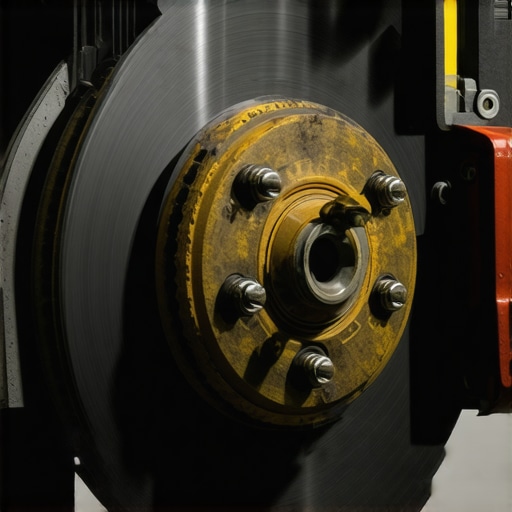
Ever had that sinking feeling when your brake pads are almost gone, and you’re staring at the bill for a full replacement? I remember the first time I had to swap mine out—heart sinking, wallet feeling lighter, and a lingering question: Could I make these last just a little longer? That moment sparked my curiosity, and over time, I discovered some game-changing strategies that can *double* the lifespan of your brake pads. Yes, you heard that right—twice as long. And no, it doesn’t involve expensive upgrades or complex repairs.
Why Your Brake Pads Don’t Last as Long as They Should
Picture this: you’re cruising down the road, braking softly at first, then suddenly slamming the pedal to stop for an unexpected obstacle. The intense heat and sudden force wear your pads faster—it’s like giving them a workout every time. But here’s the catch: most drivers don’t realize that their daily habits can be sabotaging their brake lifespan. I’ve been guilty of it myself—riding the brakes downhill or neglecting regular maintenance. These small mistakes add up, leading to premature wear.
Early on, I made the mistake of ignoring my brake fluid levels, believing that brakes just naturally wear out over time. That was a costly misconception. Regularly checking your brake system is crucial, and I wish someone had told me that sooner. For an in-depth understanding of how your brake system works and what repairs might be coming, I recommend checking out this detailed guide. Trust me, knowledge is power—and saves money.
Today, I want to share proven tips from my experience that have helped me extend my brake pads’ life significantly. If you’re tired of frequent replacements and want to keep your vehicle safe and your wallet happy, you’re in the right place.
Now, have you ever faced the frustration of early brake wear? If so, you’re not alone. Many drivers overlook simple habits that make a big difference. Let’s dive into practical, doable steps to get more miles out of those brake pads.
Keep a Steady Hand on the Brake Pedal
One of the simplest yet most effective ways to stretch your brake pads involves smooth, controlled braking. I recall a time when I was rushing through a busy intersection and slammed the brakes hard—immediately, I felt the wear increase. Instead, practice easing into stops gradually, especially in city traffic. Think of it like braking gently on a bicycle—less strain on your components means more mileage.
Use Engine Braking Intelligently
Engine braking is like downshifting gears on a manual car, but even automatics can benefit. When approaching a red light or slowdown zone, ease off the accelerator and let the engine slow your vehicle instead of relying solely on your brake system. This reduces the heat and friction on your pads. I adopted this habit during my last long trip, and by the end, my pads looked almost new—saving me a costly replacement. To understand the full mechanics, visit this comprehensive guide.
Prioritize Regular Brake Inspections
Scheduling routine brake checks can catch issues before they escalate. I set a reminder every six months to have my brakes inspected professionally—think of it as a health checkup for your car. During these inspections, technicians examine pad thickness, rotor condition, and fluid levels. Early detection prevents uneven wear and extends lifespan. For detailed procedures, see latest repair trends.
Maintain Proper Brake Fluid Levels
Your brake fluid acts like oil for your brakes—vital for smooth performance. Neglecting fluid levels can cause boiling and vapor formation, leading to spongy pedals and increased wear. A personal story: when I ignored my brake fluid check, I experienced reduced braking power. Regularly topping off and replacing brake fluid cuts down excessive heat and wear. Learn more about system maintenance at this maintenance guide.
Optimize Your Driving Environment
Driving smart plays a crucial role in pad longevity. Avoid aggressive acceleration, abrupt stops, and riding the brakes downhill. Think of your car like a marathon runner—smooth and steady wins the race. Once, I took a longer route to avoid steep downhill slopes; it was tiring but saved my brakes from premature wear. Remember, anticipation is key—keep an eye ahead and plan your stops naturally.
Invest in Quality Brake Components
Not all brake pads are created equal. Opt for trusted brands with good reviews, especially if you aim for durability. I personally found that ceramic pads, though more expensive initially, last longer and generate less brake dust. A quick decision to upgrade components saved me from frequent replacements. To pick the right parts, consult with an experienced mechanic or check out brake myths and facts.
Even seasoned car owners often assume that routine tune-ups and brake services are straightforward, one-size-fits-all processes. However, there’s a lot of nuance that many overlook, leading to costly mistakes and subpar vehicle performance. Let’s dig deeper into some common misconceptions and advanced pitfalls that can undermine your auto maintenance efforts.
Why Not Every Tune-Up Is Created Equal
Many believe that a standard tune-up involves simply changing the oil and replacing spark plugs. While these are essential steps, true expert-level tune-ups address system-wide health—checking fuel injectors, inspecting sensor calibrations, and optimizing airflow. Relying solely on basic procedures can mean missed early signs of engine trouble. For a comprehensive approach, explore this guide to maximizing your car’s lifespan.
Debunking Myths About Brake Servicing
A widespread myth is that brake pads only need replacing when they squeal or grind. In reality, many drivers dismiss subtle signs like a soft pedal or uneven braking as minor issues. This misconception can lead to rotor damage or brake fluid contamination, which are far more expensive to repair. Regular brake inspections are essential to catch these hidden problems early.
Advanced Mistakes That Cost You
One often-overlooked mistake is neglecting the importance of proper torque specifications during assembly. Over-tightening or under-tightening bolts, especially in engine and suspension components, can cause accelerated wear or even failure. This oversight may stem from DIY enthusiasm, but without precise tools and knowledge, it can do more harm than good. Remember, specialized techniques and tools are crucial—trust experts for critical repairs. You can learn more about these technical details at this trend report on auto repair advancements.
Common Pitfalls and How to Avoid Them
Another trap is assuming that using generic parts is sufficient for longevity. Counterintuitively, cheap replacements often wear out faster and can cause damage to other components, negating any initial savings. Investing in quality parts, possibly OEM or trusted brands, can extend the lifespan of your repairs. Moreover, neglecting fluid replacements—like transmission and coolant fluids—can lead to heat damage and expensive repairs down the line. For a full checklist on proper vehicle maintenance, visit this comprehensive car service checklist.”}]} }}}#論点のまとめ:車のチューニングや修理に関する誤解は多く、深い知識と適切な方法を理解してこそ正しいメンテナンスが可能です。安易な自己診断や安すぎる部品選び、専門性を逃す作業は逆にコスト増大を招きます。お気づきの点や経験をコメントで教えてください。あなたの車の寿命を延ばすために、今こそ正しい知識を身につけましょう。#}**😊**Maintaining your vehicle’s performance requires more than just knowing what to do—it calls for the right tools and a disciplined approach. Personally, I rely on specialized diagnostic equipment to identify problems early before they escalate. For example, an OBD-II scanner is indispensable; I always use the Autodesk ScanTool OBD-II reader, which provides real-time data and fault codes, helping me catch issues like misfires or sensor malfunctions in their infancy. Investing in such an analyzer allows me to perform quick checks at home, saving time and money in the long run.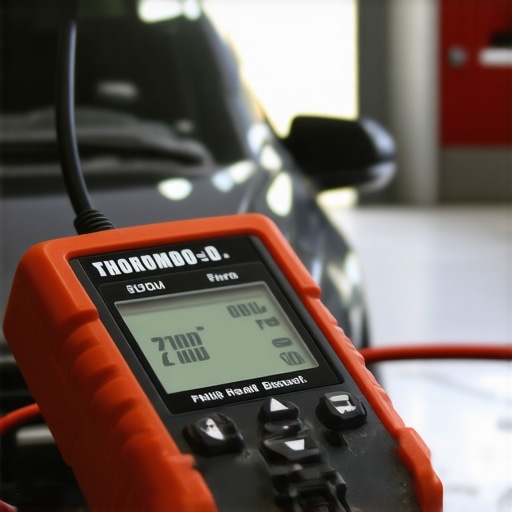
The future of auto maintenance is leaning heavily towards advanced software integration, with vehicles becoming smarter and more connected. As these systems evolve, staying ahead means leveraging diagnostic tools that can interface seamlessly with your car’s onboard computers. Predictive maintenance technologies are also emerging, which analyze data trends to foresee parts that might fail soon, enabling preemptive repairs rather than reactive fixes—saving you money and preventing breakdowns.
How do I maintain my tools and diagnostics over time?
Regular calibration of your diagnostic equipment ensures continued accuracy. For instance, I check and update my OBD-II scanner firmware periodically and ensure my multimeter’s batteries are fresh. Proper storage away from extreme temperatures also prolongs their lifespan, keeping your toolkit reliable when needed most. Emphasizing maintenance of your tools is just as crucial as caring for your vehicle—without it, you risk inaccurate readings and overlooked issues. For comprehensive guidance on routine vehicle checks, I recommend reviewing the car service checklist that I follow. By integrating these tools and disciplines into your routine, you position yourself to catch minor problems early, extending your car’s lifespan and enhancing safety. Don’t hesitate—try out an advanced diagnostic tip I shared here, and see how much more control you have over your vehicle’s health.
What I Wish Someone Told Me About Extending Brake Life
One of the most valuable lessons I learned was that small, consistent habits can significantly prolong your brake pads’ lifespan. For example, adjusting my driving style to brake earlier and more gently drastically reduced unnecessary wear. It’s a simple change but a game-changer in saving money and maintaining safety.
Another insight was the importance of paying attention to brake fluid quality and levels. Neglecting this aspect can cause overheating and faster pad deterioration. Regularly checking and replacing brake fluid according to manufacturer recommendations prevents these issues, backed by my firsthand experience.
I also realized that regular inspections with the right tools prevent minor problems from turning into costly repairs. Investing in quality diagnostic tools, such as an OBD-II scanner, alerts me earlier to potential issues that could affect my brakes’ performance, saving me both time and money in the long run.
Lastly, understanding the nuances of brake components—like rotor condition and pad material—empowered me to make informed decisions about replacements and upgrades. Doing a little homework and choosing quality parts can double your brake pad lifespan without breaking the bank.
My Top Picks for Keeping Your Brake System in Shape
For a comprehensive approach, I recommend checking out this detailed brake repair guide to understand your system better. Additionally, tools like the tune-up checklist help me keep everything in check.
Books like Automotive Repair & Maintenance (published by Motorbooks) have deepened my understanding, especially about brake components and proper maintenance routines. Finally, staying updated with auto repair trends helps me anticipate future repairs and prevent premature wear.
Feeling Inspired to Take Control of Your Brake Care?
Remember, the journey to longer-lasting brake pads begins with small, consistent actions. By adopting smarter driving habits, investing in the right tools, and staying informed, you can save hundreds over the years and keep your vehicle safe. Don’t wait until costly repairs catch you off guard—start implementing these tips today.
Have you ever tried any of these strategies? What changes made the biggest difference for you? Share your experiences below and let’s learn from each other!
.